
The rapid diversification of retail inventory has pushed traditional logistics to a breaking point, forcing a shift toward systems that manage thousands of micro-SKUs with surgical precision. This review examines the sophisticated mechatronic ecosystem deployed by dm-drogerie markt in Wustermark, Germany. This facility serves as a flagship for modern distribution, moving beyond simple conveyor belts to a fully orchestrated environment. By integrating high-capacity storage with agile robotics, the system addresses the critical bottleneck of small-item fulfillment in the drugstore sector.
Evolution and Core Principles of Autonomous Fulfillment
Logistics technology has transitioned from human-centric manual picking to a model where goods move autonomously to the picker or directly to the shipping container. The core principle of this shift is the elimination of “dead time”—the wasted minutes workers spend walking through aisles. In the modern landscape, density and velocity are the primary metrics of success. This implementation matters because it proves that high-volume retail can maintain flexibility without sacrificing the physical footprint.
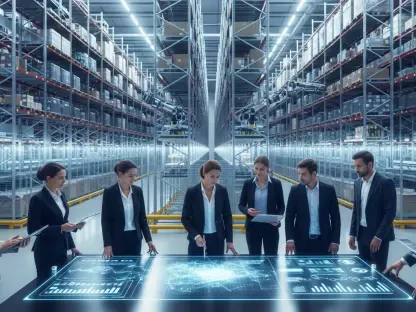
Modern fulfillment centers now act as giant, living computers. The evolution toward this state was driven by the volatility of consumer demand and the labor shortages affecting the global supply chain. Unlike older automated systems that were rigid and difficult to reprogram, current iterations rely on modularity. This allows a facility to scale its throughput by adding robotic units rather than rebuilding entire mezzanine levels.
Technical Components of the Modern Distribution Center
High-Density Shuttle Storage Systems
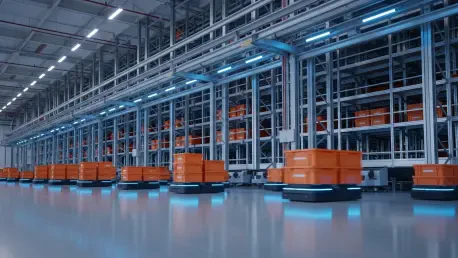
At the heart of the Wustermark facility lies a shuttle system boasting 190,000 storage locations, a scale that redefines urban-edge warehousing. These shuttles operate on a grid, retrieving bins with a level of speed and accuracy that manual labor cannot replicate. The unique advantage of this system is its verticality; it utilizes the full height of the warehouse, which is essential in regions where industrial real estate prices are surging.
This high-density approach does more than save space; it ensures that the “golden zone” of inventory is always accessible. By constantly reshuffling products based on real-time demand, the shuttle system reduces retrieval latency. This mechatronic precision allows for a tighter fulfillment window, enabling the retailer to replenish stores with a frequency that keeps shelves stocked without over-ordering.
Robotic Picking and Pocket Sorter Integration
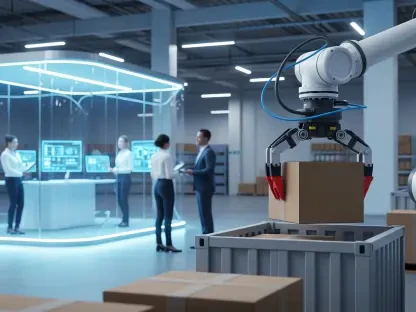
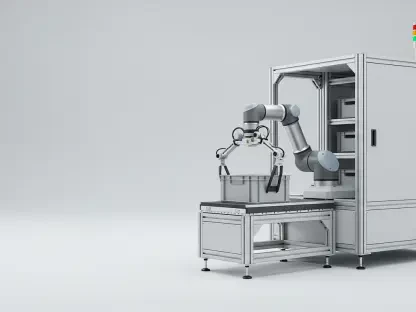
The integration of RovoFlex picking robots marks a departure from traditional robotic arms that struggle with varying shapes. These units handle the delicate task of picking cosmetic items—often small, reflective, or oddly shaped—and placing them into pocket sorters. This implementation is unique because it bridges the gap between bulk storage and individual order assembly without human intervention.
These robots utilize advanced computer vision to identify and grasp items from a chaotic bin. When synchronized with pocket sorters, the system creates a continuous flow of goods that can be diverted to specific packing stations. This setup eliminates the sorting errors common in manual environments, ensuring that the correct item reaches the correct store every time.
Autonomous Mobile Robots (AMRs) for Internal Transport
Replacing fixed conveyors with a fleet of seventy Quba autonomous mobile robots provides a level of operational agility previously unseen in large-scale retail. These AMRs navigate the warehouse floor independently, calculating the most efficient routes to transport pallets and bins. Unlike traditional belts, these robots can be rerouted instantly if a path is blocked or if a specific zone requires more capacity.
This decentralized transport model is a strategic hedge against system-wide failures. If a single conveyor belt breaks, the entire line stops; however, if one AMR requires maintenance, the rest of the fleet simply adjusts its logic to cover the gap. This resilience is what makes the technology superior to the rigid automation of the past decade, allowing for 24/7 operations with minimal downtime.
Warehouse Control Systems and Software Orchestration
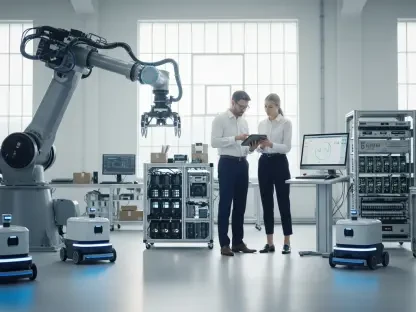
The digital nervous system of this operation is the WERX software, which orchestrates the complex movements of every mechanical component. It serves as the single source of truth, balancing the load between the shuttle system and the robotic pickers. Without this high-level orchestration, the hardware would operate in silos, leading to bottlenecks and uneven wear on the machinery.
Beyond mere control, this software provides predictive analytics that monitor system health. It identifies patterns in mechatronic performance, signaling when a motor might fail or when a picking arm needs recalibration. This proactive layer transforms the warehouse from a reactive facility into a smart asset that optimizes itself over time, ensuring that the heavy investment in hardware yields maximum ROI.
Emerging Trends in Total Automation
The industry is currently moving toward “dark warehouses,” where lighting and climate control are optimized for machines rather than humans. This shift is driven by the integration of AI-driven demand forecasting directly into the warehouse control logic. Instead of waiting for an order to arrive, the system can begin pre-staging high-probability inventory closer to the dispatch docks.
Moreover, there is a growing trend toward multi-modal robotics where different types of machines communicate peer-to-peer. We are seeing a move away from top-down command structures toward swarm intelligence. This allows robots to negotiate right-of-way and task priority among themselves, further reducing the computational load on the central server and increasing the speed of the entire ecosystem.
Real-World Application: The Large-Scale Retail Case Study
The dm-drogerie markt project in Wustermark serves as a definitive case study for specialized retail logistics. By focusing on small-item logistics for decorative cosmetics, the facility addresses a niche that is notoriously difficult to automate due to the fragility and variety of the products. This implementation demonstrates that automation is no longer just for heavy pallets or uniform boxes.
This specific use case highlights the synergy between TGW Logistics and the retailer, showing how bespoke automation can handle 190,000 storage locations with ease. It sets a benchmark for the European market, proving that large-scale distribution centers can be both highly specialized and incredibly fast. The success here provides a blueprint for other sectors, such as pharmaceuticals or electronics, where precision is paramount.
Technical Hurdles and Market Obstacles
Despite the impressive capabilities, the high capital expenditure required for such systems remains a significant barrier for smaller players. The initial investment in 70 AMRs and 30 picking robots is substantial, and the ROI is often measured over several years. Furthermore, the complexity of integrating proprietary software like WERX with existing ERP systems can lead to prolonged deployment timelines.
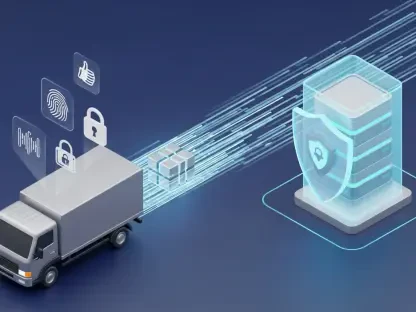
Interoperability also remains a challenge. While the TGW ecosystem works seamlessly internally, connecting it to third-party hardware or legacy systems often requires custom middleware. Additionally, the reliance on a stable power grid and high-speed internal networks creates a vulnerability; any digital disruption could potentially paralyze the entire distribution network, necessitating robust cybersecurity and backup protocols.
Future Outlook for Autonomous Logistics
The trajectory of autonomous logistics is moving toward a self-healing supply chain where the warehouse identifies and corrects its own inefficiencies. We should expect to see the introduction of humanoid robots capable of performing more complex tasks, such as unloading non-palletized shipping containers. These advancements will further reduce the need for manual intervention in the most physically demanding areas of the center.
In the coming years, the focus will shift from internal efficiency to external integration. Warehouses will likely become nodes in a larger autonomous network, communicating directly with self-driving delivery trucks. This level of connectivity will allow for a “bufferless” supply chain where inventory is constantly in motion, moving from the manufacturer to the consumer with almost no stationary storage time.
Summary and Final Assessment
The implementation at the Wustermark site confirmed that the integration of mobile robotics and high-density storage is the only viable path for high-volume retail. The project demonstrated that mechatronic precision, when governed by sophisticated software, can overcome the logistical challenges of a diversifying product range. This transition marked a clear departure from the rigid automation of the past, offering a modular and resilient alternative that favored long-term scalability over short-term cost savings.
Ultimately, the success of this distribution center proved that the future of logistics lay in the harmony between hardware and data. The shift toward autonomous internal transport and robotic picking effectively mitigated labor risks while increasing throughput. As these technologies matured, they provided a competitive edge that redefined industry standards for efficiency and reliability. The era of the static warehouse ended, replaced by dynamic, intelligent hubs that formed the backbone of a modern, responsive supply chain.