
The modern global economy functions as a high-stakes interlocking network where the slightest disruption in raw material sourcing can cascade into significant retail shortages across several continents. To navigate this extreme volatility, industry professionals rely on a sophisticated architecture of organizations that establish the certifications, ethical standards, and operational benchmarks necessary for stability. These entities do not merely offer networking opportunities; they serve as the primary engines for standardizing data protocols and professional qualifications in an increasingly automated environment. By categorizing these groups based on their specific functional roles, stakeholders can better understand the underlying mechanisms that drive innovation and help the industry maintain its resilience against geopolitical shifts and economic fluctuations. These organizations act as the central nervous system for a global trade apparatus that must remain agile, transparent, and efficient to meet the rising demands of a digital-first consumer base that expects instant fulfillment.
Professional Standards: Strategic Sourcing and Manufacturing
The foundation of modern supply chain expertise is built upon rigorous educational frameworks provided by bodies like the Association for Supply Chain Management. By maintaining certifications such as the CPIM and CSCP, this organization ensures that practitioners possess a unified understanding of inventory management and global planning. In a parallel effort, the Council of Supply Chain Management Professionals provides the strategic oversight needed to interpret macroeconomic data, often serving as a bridge between academic research and real-world executive application. These foundational bodies help eliminate the silos that traditionally separated procurement from logistics, fostering a more holistic view of how value is created across the entire product lifecycle. Without these standardized educational benchmarks, the industry would struggle to maintain a consistent language of efficiency, making cross-border collaborations far more prone to error and miscommunication in a landscape that requires absolute precision for profitable operations.
As procurement transitions from a tactical support role to a core strategic function, the Chartered Institute of Procurement and Supply and the Sourcing Industry Group have become essential for developing vendor management expertise. These organizations emphasize that modern sourcing is no longer just about cost reduction but is fundamentally tied to supplier relationship management and ethical transparency. In the manufacturing sector, the Society of Manufacturing Engineers and the Association for Manufacturing Excellence continue to advocate for lean methodologies that minimize waste while maximizing throughput. For specialized industries, the Automotive Industry Action Group illustrates how specific quality requirements can be harmonized to support just-in-time production models that operate with zero margin for error. By adhering to these collective manufacturing and sourcing standards, firms can mitigate the risks associated with poor supplier performance, ensuring that every link in the upstream chain contributes to the overall health and agility of the final product delivery system.
Logistics Infrastructure: Movement and Workforce Evolution
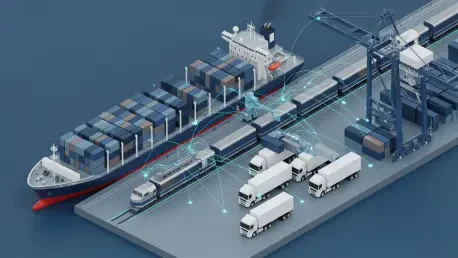
The physical movement of freight requires a different layer of organizational support, focusing primarily on regulatory compliance, infrastructure investment, and safety protocols for motor carriers and intermediaries. The American Trucking Associations remains the primary advocate for the trucking industry in the United States, pushing for policy changes that improve road safety and carrier efficiency. Meanwhile, the Transportation Intermediaries Association represents the freight brokers and third-party logistics providers who act as the essential connective tissue in the domestic market. As global trade increasingly involves shifting cargo between various modes of transport, the Intermodal Association of North America plays a critical role in streamlining the handoffs between ocean vessels, rail lines, and long-haul trucks. These groups collectively ensure that the physical infrastructure of the supply chain remains capable of handling record-breaking cargo volumes while adhering to strict safety standards that protect both the workforce and the general public.
Beyond the hardware and regulations of transportation, the industry is undergoing a significant cultural shift toward inclusivity and labor sustainability through dedicated advocacy groups. Organizations like Women In Trucking are instrumental in addressing long-standing labor shortages by actively recruiting and supporting women in roles ranging from professional driving to executive leadership. By focusing on workforce diversity, these associations are helping the logistics sector tap into new talent pools that bring fresh perspectives to complex problem-solving. This evolution is vital because the human element remains the most critical variable in logistics, even as automation becomes more prevalent. Cultivating a diverse and well-supported workforce ensures that companies can maintain operational continuity during periods of high demand. These efforts contribute to a more robust social fabric within the industry, where professional growth and career longevity are prioritized alongside operational metrics, ultimately creating a more sustainable and attractive career path for the next generation of logistics experts.
Integrated Solutions: Digitalization and Global Governance
The rapid adoption of robotics and artificial intelligence has necessitated a new class of organizations focused on the technical interoperability of global logistics systems. The Association for Advancing Automation leads the advocacy for integrating high-tech solutions into warehouse environments, while GS1 US manages the data standards that allow these machines to communicate effectively. Without the universal barcode and electronic data interchange standards provided by GS1, the transition to smart warehouses would be stalled by incompatible software and fragmented data sets. These organizations provide the roadmap for a digital-first supply chain where real-time visibility is not just a luxury but a fundamental requirement for risk mitigation. By establishing a shared digital language, they enable disparate companies to collaborate seamlessly, ensuring that tracking information remains accurate as goods move through different jurisdictions and technological ecosystems, thereby reducing the manual labor associated with data reconciliation and error correction.
Global trade governance is maintained by international bodies that coordinate the flow of commerce across borders through standardized shipping and handling protocols. Organizations like FIATA and the World Shipping Council represent the interests of freight forwarders and container lines, ensuring that international maritime law and customs procedures remain functional. In the air cargo sector, IATA and TIACA set the safety standards that allow for the rapid movement of high-value goods, which is essential for the pharmaceutical and electronics industries. To improve future outcomes, stakeholders prioritized the adoption of circular economy principles through the Reverse Logistics Association, which helped firms manage the massive influx of product returns. Professionals who actively engaged with these diverse governance bodies secured a more stable operating environment by anticipating regulatory shifts and implementing proactive risk management strategies. This collaborative approach replaced reactive crisis management with a systematic model of resilience that prioritized long-term sustainability and the seamless integration of global trade participants.