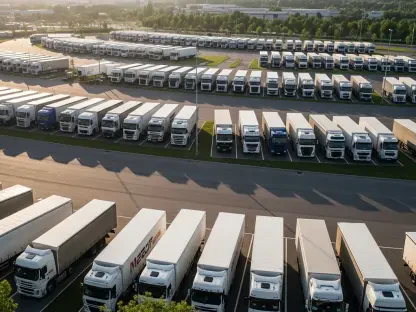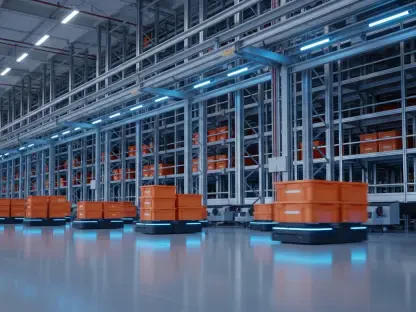

The once-raucous sound of idling brown delivery trucks is being replaced by a calculated silence as the logistics industry undergoes its most significant workforce transformation in decades. This evolution reached a fever pitch this month when United Parcel Service and the International Brotherhood of Teamsters finally shook hands on a $1.1 billion agreement. By establishing firm boundaries on how and when drivers can be incentivized to hang up their keys, the deal attempts to reconcile the brutal efficiency of corporate downsizing with the long-standing traditions of labor seniority and job security.
A High-Stakes Compromise in the Logistics Sector
The current truce between UPS management and union leaders represents a definitive crossroads for the American delivery network. At the center of this landmark resolution is a $1.1 billion package designed to streamline the carrier’s operations without triggering a total collapse in labor relations. For months, the industry watched as the two sides fluctuated between legal skirmishes and tense negotiations, but the final agreement signals a shift away from the courtroom and back to the bargaining table. This resolution provides a rare glimpse into how a global shipping titan intends to survive a cooling market while keeping its unionized workforce intact.
Beyond the immediate financial numbers, the deal serves as a barometer for the health of industrial labor in a digital age. The compromise acknowledges that while “rightsizing” may be a corporate necessity, it cannot be executed unilaterally without accounting for the human element of the operation. By moving toward a regulated framework, both parties have signaled that cooperation is more profitable than the chaos of prolonged litigation. This stability is essential for a company that remains the backbone of the American supply chain, even as competitive pressures continue to mount from all sides.
The Economic Reality of a Shrinking Delivery Landscape
This agreement did not materialize by accident; it is a direct response to a fundamental shift in how goods move across the country today. For years, the carrier enjoyed a massive surge in volume fueled by a booming e-commerce sector, but that golden era has faded. Major clients, most notably Amazon, have aggressively built out their own internal logistics networks, which has drastically reduced their dependence on third-party providers. To remain profitable while closing 24 major facilities and cutting approximately 30,000 positions, UPS had to find a way to reduce its highest-wage obligations without inviting a general strike.
For the Teamsters, the primary concern was ensuring that these necessary reductions did not become a tool to dismantle union seniority or bypass collective bargaining protections. The logistics landscape is currently in a state of contraction, and the union recognizes that a smaller workforce is inevitable. However, the priority remains protecting those who have spent decades on the road. By negotiating the terms of the exit, the union has transformed what could have been a series of layoffs into a structured, voluntary transition that respects the career longevity of its members.
Core Components of the Driver Choice Program Agreement
The newly finalized “Driver Choice Program” (DCP) establishes a clear, enforceable framework that replaces previous months of uncertainty with strict parameters. This structure allows the company to meet its financial targets while giving the union the specific oversight it demanded during the height of the conflict.
The 7,500-Driver Participation Cap
A firm ceiling on participation serves as the most critical element of the deal, preventing an unchecked exodus of veteran talent. By limiting the buyout to exactly 7,500 drivers nationwide, the agreement ensures that local union chapters are not suddenly hollowed out by mass departures. Each participant receives a $150,000 lump-sum payment, providing a substantial financial “soft landing” for workers who are nearing the end of their professional lives. This cap ensures the reduction is surgical rather than systemic, maintaining operational capacity while cutting overhead.
Protection of Seniority and Right of First Refusal
To prevent management from selectively choosing which drivers are allowed to leave, the agreement reinforces the bedrock of the union: the seniority system. Applications for the buyout will be vetted strictly based on years of service, meaning the most senior employees have the first opportunity to accept the payment. This “right of first refusal” ensures that those who have contributed the most to the company over the years can retire with dignity and a significant windfall, rather than seeing younger, lower-paid workers prioritized for retention over them.
The 2028 Severance Moratorium
Labor stability received a major boost through a commitment to a future freeze on similar workforce reduction offers. UPS has agreed to a total moratorium on additional severance or buyout programs until the current national master contract reaches its conclusion on July 31, 2028. This clause effectively locks in the size of the workforce for the next two years, preventing the company from using rolling buyouts as a method of continuous attrition. For the drivers who choose to stay, this provides a much-needed sense of job security in an otherwise volatile industry.
From Litigation to Regulated Cooperation
The road to this consensus was paved with regional friction and legal battles that nearly dismantled the program entirely. Understanding the friction of the past year provides essential context for why this nationwide deal is considered a pragmatic middle ground for both corporate executives and labor organizers.
The Failure of Unilateral Expansion
Conflict reached a breaking point earlier this year when UPS attempted to expand the buyout program into 13 central states despite fierce union opposition. Although the company initially secured a legal victory in February regarding its right to offer these incentives, the win proved to be pyrrhic. The resulting backlash from local chapters and the looming threat of widespread labor unrest forced leadership to realize that a legal triumph was less valuable than a functional, bilateral partnership. This realization led to the suspension of the program in several regions until a national standard could be reached.
Balancing Network Flexibility with Job Security
The current consensus reflects a strategic move toward industrial stability. UPS leadership views these buyouts as a necessary tool to reconfigure a network that was built for a higher-volume era that no longer exists. Simultaneously, the Teamsters have successfully asserted that corporate restructuring cannot occur at the expense of the union’s structural integrity. This deal proves that even during a period of market contraction, labor and management can transition from a state of constant litigation to a system of regulated cooperation that benefits both the bottom line and the rank-and-file.
Strategies for Workforce Transition and Implementation
For the drivers on the ground and the union stewards on the loading docks, the implementation of this agreement requires a clear understanding of the new rollout procedures. The transition is designed to be orderly and transparent, contrasting sharply with the chaotic downsizing seen in the non-unionized tech and retail sectors.
Application and Vetting Procedures
Drivers interested in the $150,000 payout must now navigate a formal application process governed by these new national standards. Because the cap is strictly set at 7,500 participants, the vetting process is expected to be highly competitive. Drivers are encouraged to consult with their local union representatives to verify that their seniority status is accurately documented before the application window closes. This transparency is intended to eliminate any favoritism and ensure the process remains as objective as possible.
Managing Localized Operational Impacts
As veteran drivers exit the workforce, UPS and the Teamsters must carefully manage the consolidation of routes and the “backfill” of critical positions. The agreement ensures that this transition happens simultaneously across the nation rather than piecemeal, which prevents the regional disparities that caused the initial rollout to fail. This coordinated approach creates a predictable environment where the remaining employees can feel secure in their roles, knowing exactly what the workforce landscape will look like through the duration of the current contract.
Looking ahead, stakeholders should prioritize the long-term health of the delivery network by closely monitoring the operational gaps left by departing veterans. While the buyout provides an immediate financial fix for the company and a graceful exit for senior drivers, the next challenge was ensuring that service standards remained high. Managers and union leaders began focusing on internal training programs to transfer the specialized knowledge of retiring drivers to the next generation. This proactive approach to succession planning aimed to prevent service disruptions while maintaining the rigorous safety standards that defined the carrier’s reputation during a period of intense industry consolidation.