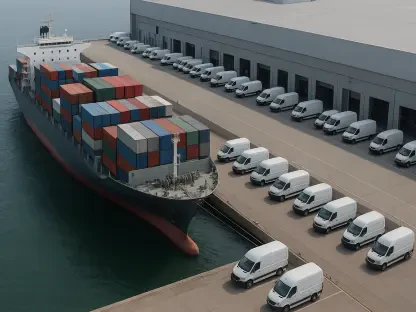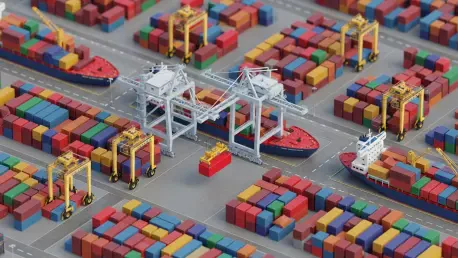

The sprawling docks of the Port of Los Angeles recently witnessed an extraordinary acceleration in maritime activity as terminal operators managed a significant influx of cargo vessels during the month of May. This intensification resulted in the processing of 840,165 container units, reflecting a 17 percent increase compared to the previous year. Such growth highlights the underlying resilience of the regional economy and the port’s critical role in maintaining global trade flows despite international fluctuations.
The objective of this analysis is to explore the drivers behind the 26 percent jump in loaded imports and how businesses are adapting to a changing logistical environment. Readers can expect to learn about current shipping trends, the specific types of goods driving volume, and the proactive measures taken by port authorities. This exploration covers the tactical shifts in planning strategies that are currently defining the maritime industry as it moves into the middle of the year.
Navigating the Surge
Why Are Import Volumes Growing at Such a Rapid Pace?
The surge in container movement stems from a combination of robust American consumer spending and a concerted effort by businesses to secure inventory before any potential market volatility strikes. Loaded imports reached 449,370 units, showcasing a resilience that many analysts find notable given the broader global financial climate. This movement indicates that retailers are preparing for sustained demand across various sectors of the economy.
Moreover, shippers are currently taking advantage of a specific window of stability within the supply chain. By moving goods now, they are effectively hedging against future labor or transportation complications that could arise later, ensuring that shelves remain stocked for the holiday season. This proactive approach has turned the traditional shipping calendar on its head, favoring early arrival over last-minute logistics.
What Factors Are Driving the Shift Toward an Early Peak Season?
Traditional shipping cycles are being rewritten as businesses transition toward shorter planning horizons in response to unpredictable trade policies and rising energy costs. Geopolitical tensions, particularly those affecting major maritime corridors, have forced a reassessment of timing, making early arrivals a tactical necessity. Shippers are prioritizing speed to avoid the risk of ships being rerouted or delayed by external regional conflicts.
Executive leadership at the port noted that while diplomatic efforts may eventually stabilize certain regions, the backlog created by previous diversions will take months to resolve. Consequently, the industry is seeing a pull-forward effect where cargo that typically arrives in late summer is already being processed at the docks. This shift helps manage the high volumes by spreading the workload across a longer period, reducing the pressure on terminal operations.
How Does Current Performance Compare to Historical Cargo Records?
Projections for the mid-year period remain exceptionally high, with expectations that June and July will see volumes exceeding the 900,000 unit mark. This level of activity represents a significant sustained demand, even if it falls slightly short of the record-breaking million-unit milestones witnessed in previous high-intensity cycles. The consistent flow suggests that the supply chain is operating at a high capacity without the bottlenecks seen in earlier years.
This steady stream of goods includes everything from consumer electronics and apparel to industrial components essential for domestic manufacturing. The diversity of the cargo mix indicates that economic momentum is broad-based, touching both the retail sector and the production lines. Such variety provides a buffer against slowdowns in any single product category, maintaining a healthy throughput for the facility.
A Recap of Logistics Stability
The current operational landscape at the Port of Los Angeles is defined by tactical speed and a proactive approach to risk management. As importers prioritize early shipping to navigate international instability, the supply chain is functioning with a high degree of efficiency despite the increased volume. The port demonstrates an ability to handle these surges through streamlined processing and improved communication with global shipping lines.
Key takeaways include the importance of monitoring energy prices and geopolitical developments, as these factors continue to dictate the rhythm of trade. The ability of the port to handle a 26 percent import jump without major delays suggests a maturing infrastructure. This stability provides a foundation for businesses to plan with greater confidence, even as they remain wary of the unpredictable nature of the global market.
Final Thoughts and Forward Planning
The recent data highlighted how the shipping industry successfully pivoted to address emerging risks through early procurement and strategic lane selection. Stakeholders recognized that waiting for traditional peak windows carried too much risk in a world of volatile fuel prices and shifting diplomatic relations. They chose to front-load their logistics to ensure stability during the busy autumn months.
Moving forward, businesses evaluated their logistics networks to ensure greater flexibility and looked for ways to diversify their entry points to avoid over-reliance on a single corridor. This shift in perspective encouraged a more resilient approach to inventory management that better aligned with the rapid pace of contemporary commerce. These strategies allowed the industry to transform potential disruptions into manageable operational challenges.