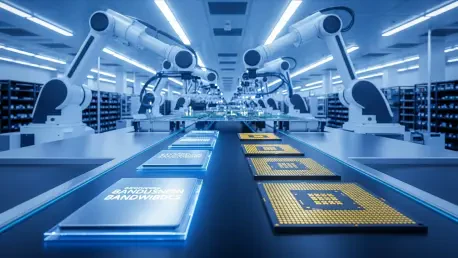

The sudden and massive surge in demand for artificial intelligence infrastructure has created a profound ripple effect throughout the global technology hardware landscape, compelling industry leaders like HP to fundamentally re-evaluate their traditional procurement strategies and digital defense mechanisms. This transformation is occurring as the massive resource requirements of AI-driven data centers exert unprecedented pressure on the supply of critical components, most notably dynamic random-access memory. As major suppliers prioritize high-bandwidth memory for enterprise-scale AI clusters, the consumer and commercial PC markets are left grappling with acute shortages and extreme price volatility that challenge long-standing operational models. HP is navigating this complex environment by adopting a contrarian approach to its global supply chain, looking beyond traditional geopolitical boundaries to secure the necessary hardware while simultaneously hardening its devices against a new generation of sophisticated, AI-enhanced cyber threats. This dual focus on availability and integrity is defining the path forward for the modern enterprise.
Strategic Diversification in a Volatile Memory Market
The global market for dynamic random-access memory is currently experiencing a period of extreme instability, driven largely by the shift in focus among the three dominant suppliers—Samsung, Micron, and SK Hynix—who together control approximately 90 percent of the worldwide production. These giants have redirected a significant portion of their manufacturing capacity toward high-bandwidth memory, a specialized component essential for the processing power required by artificial intelligence servers and large-scale data centers. This pivot has left a substantial void in the supply of standard DRAM, which serves as the backbone for personal computers and laptops. Consequently, procurement costs for these essential components saw a staggering 75 percent increase between late 2025 and the beginning of 2026, creating a financial burden that traditional supply chains were ill-equipped to handle. Industry experts suggest that this surge represents a permanent shift in demand that will likely overwhelm conventional sources for years to come.
In response to these market constraints, HP has taken the calculated step of diversifying its vendor base by qualifying components from ChangXin Memory Technologies, which currently stands as the leading memory-chip manufacturer in China. This decision marks a significant departure from the broader industry trend of Western corporations attempting to distance themselves from Chinese suppliers due to geopolitical tensions. By integrating CXMT chips into its production lines, HP is securing a vital alternative source for its hardware, particularly for units destined for markets outside the United States. This move is not merely a reactive measure to current shortages but a proactive strategy to maintain competitive pricing and production continuity. Other industry players, such as Acer, are already moving in a similar direction by leveraging Chinese contract manufacturers to sustain cost-efficiency. By expanding its technical specifications to include these newer suppliers, HP ensures that its manufacturing remains resilient in the face of ongoing supply bottlenecks.
Strengthening Hardware Resilience against AI-Driven Threats
Beyond the physical challenges of hardware procurement, the rise of artificial intelligence has introduced a new era of sophisticated digital vulnerabilities that require a more robust approach to device security. HP has identified that networked and cloud-connected hardware, particularly printer fleets, have become high-value targets for attackers using AI to discover and exploit firmware weaknesses. To address these evolving risks, the company has extended its strategic partnership with Karamba Security, integrating the specialized XGuard software directly into its printer firmware architectures. This implementation provides comprehensive runtime protection, allowing the hardware to autonomously detect and block unauthorized code execution in real-time. By embedding security at the firmware level, HP creates a defensive layer that remains effective even if the surrounding network environment is compromised. This focus on “zero-trust” at the device level is essential as cyberattacks become more automated and frequent, necessitating a shift toward hardware resilience.
The integration of advanced runtime protection reflects a broader industry recognition that hardware and software security can no longer be treated as separate domains in the age of intelligent automation. As AI tools lower the barrier for creating complex malware, the ability of a device to verify its own integrity becomes a critical differentiator for enterprise customers. HP’s strategy emphasizes the importance of protecting the entire lifecycle of a product, from the initial manufacturing stage to its operational life in the field. This approach requires deep collaboration with security experts to ensure that every layer of the technology stack—from the underlying silicon to the high-level application interface—is shielded from manipulation. By prioritizing firmware security, HP is not only safeguarding user data but also protecting the brand’s reputation in a market where a single breach can have catastrophic financial consequences. This commitment to built-in security serves as a cornerstone for building trust with global enterprises that are wary of the risks.
Future-Proofing through Operational Agility and Security
The strategies implemented by HP demonstrated that navigating the complexities of the artificial intelligence era required a fundamental departure from rigid, traditional supply chain models. Organizations found that maintaining operational integrity depended on the ability to remain agile, even when that agility meant challenging established geopolitical norms to secure critical components like memory chips. The decision to qualify and integrate diverse suppliers provided a blueprint for resilience that prioritized capacity and stability over political convenience. Furthermore, the proactive hardening of device firmware through partnerships with cybersecurity specialists established a new standard for hardware security that addressed the reality of AI-driven threats. Moving forward, businesses should consider conducting comprehensive audits of their own supply dependencies and security protocols to identify potential single points of failure. By investing in multi-layered defense mechanisms and diverse sourcing channels, leaders successfully positioned their enterprises to withstand the volatility of this landscape.