The sudden oscillation of global energy markets often feels like a distant geopolitical chess match until the local price of a gallon of diesel quietly climbs past the four-dollar mark. While many observers view these rising costs as a localized headache for long-haul truckers, they actually serve as a volatile baseline for the entire global economy. Every single dollar added to a barrel of crude oil in the Middle East ripples across the globe, manifesting as a significant spike at the pump within mere days. The true concern is whether the intricate web of global commerce can absorb these shocks without collapsing under the weight of “war-risk” surcharges.
The Fragility of the Energy-Logistics Nexus
The current strain on supply chains is a direct reflection of the vulnerability inherent in the world’s most critical energy chokepoints. With 20 million barrels of oil passing through the Strait of Hormuz daily, any regional instability immediately destabilizes the transportation and logistics sectors in the United States. This connection highlights a reality where domestic delivery schedules and retail prices are inextricably linked to geopolitical health thousands of miles away. As diesel costs climb, the “just-in-time” delivery model faces its most significant stress test since the 2022 energy crisis.
The reliance on these narrow maritime corridors creates a precarious environment for logistics managers. When a primary energy source is threatened, the efficiency that modern supply chains prioritize over buffer room becomes a liability. This fragility forces a reassessment of how domestic markets respond to international friction, as the cost of moving goods becomes as unpredictable as the political climate of the Middle East.
Quantifying the Ripple Effect on Global Trade
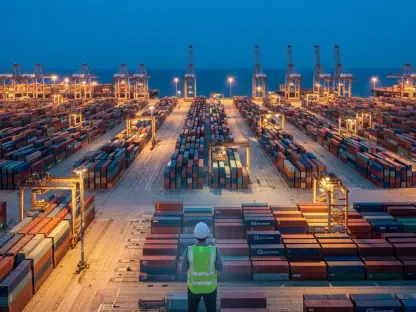
The surge in diesel prices does not exist in a vacuum; it triggers a cascade of operational delays and financial burdens across all modes of transport. Recent data indicates that approximately 45% of air freight and 33% of ocean freight operations have already faced significant disruptions, leading to the rerouting of tens of thousands of shipments. When carriers face higher operating expenses, they implement fuel surcharges to protect their margins, which are then passed from manufacturers to wholesalers and ultimately to the consumer.
Much like the economic shifts seen in previous years, rising fuel costs act as a primary driver of inflation, forcing a reassessment of global trade lane viability. These added expenses do more than just raise the price of a single product; they slow down the entire velocity of trade. As shipping companies navigate these turbulent waters, the financial burden of “war-risk” insurance and extended travel times begins to alter the very geography of global sourcing.
Industry Perspectives on Long-Term Volatility
Analysts from leading firms like Gartner and E2open emphasize that the current situation is not a temporary blip but a sign of a “new normal” in logistics management. Experts argue that supply chain leaders must move beyond reactive measures, as the consensus points toward a prolonged period of high freight rates and unpredictable shipping windows. These professionals suggest that the industry is currently paying a “geopolitical premium,” where the price of goods reflects the risk of the route as much as the value of the product itself.
The prevailing sentiment among industry veterans is that the era of cheap, predictable fuel has vanished. This shift requires a fundamental change in mindset, moving away from a focus on the lowest possible cost toward a focus on the highest possible reliability. Organizations that failed to anticipate these structural shifts found themselves struggling to maintain profit margins while their competitors adjusted their logistics strategies to account for more expensive energy.
Strategies for Building Supply Chain Resilience
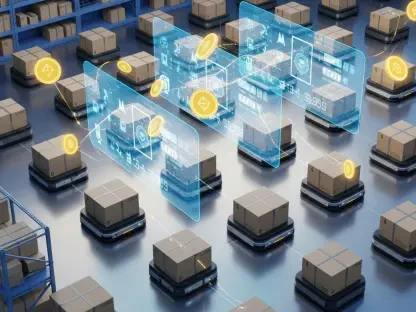
To navigate this era of rising costs and regional instability, companies must transition from rigid logistics frameworks to more dynamic, adaptable strategies. Businesses should adjust their quarterly budgets to include a volatility buffer that accounts for sudden fuel surcharges and fluctuating crude oil prices. Reducing reliance on single chokepoints by exploring alternative trade lanes can mitigate the risk of total operational shutdowns during regional conflicts. Furthermore, implementing real-time tracking and predictive analytics allows managers to anticipate delays and reroute cargo before costs escalate.
Transitioning from lean inventory models to holding strategic safety stocks helped businesses fulfill orders even when global transit times extended by weeks. Forward-thinking leaders prioritized the diversification of their carrier networks and invested in fuel-efficient technologies to dampen the impact of price hikes. By embracing transparency and agility, the industry began to transform these logistical hurdles into opportunities for long-term structural innovation. This proactive approach allowed the most resilient companies to secure their market positions despite the persistent uncertainty of the global energy landscape.