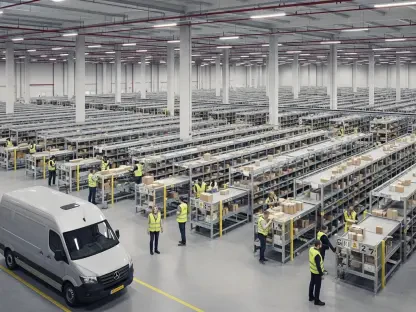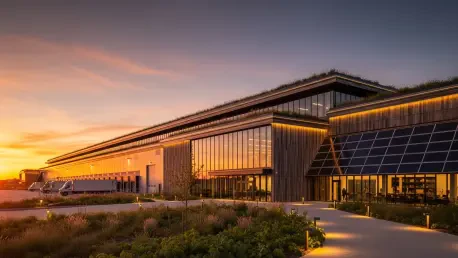

The rapid expansion of global trade networks has historically come at a steep environmental cost, but the emergence of carbon-neutral logistics hubs suggests a fundamental shift toward a more sustainable industrial future. DHL Supply Chain’s facility in Rheinbach, Germany, serves as the centerpiece of this transition, bridging the gap between high-performance fulfillment and ecological responsibility. This 26,600-square-meter hub represents a deliberate departure from traditional warehousing, prioritizing long-term resilience and carbon-neutral operations. By focusing on environmental integrity in the high-traffic Rhineland area, the project established a new operational standard for contract logistics throughout the European market.
The Evolution of the Rhineland Economic Corridor
The Rhineland region has occupied a central position in European commerce for decades, functioning as a primary artery for goods moving between major industrial centers and consumer markets. In the past, the success of a logistics site was measured almost exclusively by its throughput and proximity to transport links like the Rhine River and the A61 motorway. However, the rise of strict climate mandates and corporate ESG criteria transformed these priorities. The development of the Wolbersacker industrial area in Rheinbach signaled a broader industry move toward “green” infrastructure, where the ecological footprint of a building became as critical as its geographic advantage. Understanding this shift is essential, as it marks the transition from simple storage to intelligent, eco-conscious ecosystems.
Architecting Sustainability Through Advanced Engineering
Achieving the Gold Standard: Carbon-Neutral Operations
Reaching the DGNB Gold Standard required more than superficial adjustments; it demanded a total integration of renewable energy systems. The Rheinbach facility utilized a 1.0 MWp photovoltaic array and a 229 kW battery storage unit to manage energy loads and achieve CO₂-neutral operations. By replacing traditional fossil-fuel heating with high-efficiency heat pumps and implementing energy-optimized LED lighting, the hub addressed the energy-intensive nature of large-scale distribution. These features are no longer just optional amenities but have become essential for global brands looking to reduce their Scope 3 emissions while maintaining operational continuity in a competitive market.
Modular Design: The Rise of Scalable Fulfillment
Flexibility was another critical pillar of the project, with a modular layout specifically designed to support diverse needs, from e-commerce fulfillment to specialized automated sorting. This structural adaptability allowed the facility to serve as a future-proof asset that could pivot as market demands fluctuated. For businesses, this meant the ability to scale storage or processing capacity rapidly without the logistical burden of constant relocation. However, this level of flexibility required a high degree of technological integration, as automated solutions had to be layered into the physical workspace to maximize efficiency without compromising the building’s green credentials.
Strategic Connectivity: The Mitigation of Disruptions
The geographical placement of the site offered a masterclass in logistical positioning, creating a multi-modal gateway that minimized last-mile friction. Proximity to the Port of Duisburg and the international airports of Cologne/Bonn and Düsseldorf effectively shortened transport times and reduced the risk of the supply chain bottlenecks that recently plagued the industry. While some viewed such centralized hubs as potential single points of failure, the integration of advanced digital monitoring helped build a more resilient network. By bringing inventory closer to vital sales markets, the hub reduced the carbon intensity of transport while ensuring faster delivery cycles.
The Future of Global Trade Infrastructure
Looking ahead, the industry is moving toward a “flight to quality” where non-sustainable warehouses will likely become economically unviable. As the EU Green Deal and increasingly stringent carbon taxes become the norm, the adoption of AI-driven inventory placement and autonomous yard management within eco-friendly facilities will accelerate. Experts predict that the next decade will see these sustainable shells become the standard requirement for global brands rather than a competitive outlier. This transition will transform logistics from a reactive service into a proactive, data-driven component of the global economy that prioritizes the health of the planet alongside profit margins.
Strategic Takeaways for Modern Supply Chain Management
For businesses navigating this evolving landscape, integrating sustainability into physical infrastructure became a non-negotiable requirement for long-term stability. Geographic proximity to multi-modal hubs remained the most effective way to buffer against global volatility and reduce the environmental impact of transport. Companies should seek to partner with providers who offer modular, scalable solutions that can grow alongside their business requirements. Finally, investing in data-driven, energy-efficient facilities provided the most direct route to achieving corporate net-zero targets while maintaining the high service levels demanded by modern consumers.
Redefining the Standard for a Greener Tomorrow
The expansion of sustainable logistics in the Rhineland demonstrated that the industry was capable of balancing high-volume trade with environmental stewardship. Stakeholders realized that the transition to green supply chains was no longer an optional strategy but a fundamental requirement for market survival. By prioritizing carbon-neutral engineering and strategic connectivity, the project offered a blueprint that redefined how global brands approached their physical footprint. Ultimately, the success of this facility proved that the path to a resilient future was paved with innovation and a commitment to long-term sustainability. Professionals across the sector adopted these insights to ensure their operations remained both profitable and compliant in a changing world.