
The global supply chain operates on a razor-thin margin where the absence of a single heavy goods vehicle driver can trigger a cascade of delays across multiple international borders. As of 2026, the logistics sector remains the undeniable backbone of the global economy, facilitating the movement of essential goods that sustain industrial growth and consumer stability. However, this critical infrastructure faces a demographic crisis that threatens its long-term viability. For decades, the industry has relied on a narrow recruitment pool, leaving it vulnerable to labor shortages that are now reaching a breaking point.
Historically, the diversity deficit in road haulage has been stark, with women representing a negligible fraction of the workforce. Current data indicates that across Europe, women occupy only about 4% of driving roles, a figure that remains stubbornly low despite the urgent need for new talent. This underrepresentation is not a reflection of interest or capability but rather a byproduct of an industry culture that has long viewed heavy goods vehicle operation as a male-exclusive domain. Breaking this cycle requires a fundamental reassessment of how the profession is marketed and managed.
Modern fleet management and the introduction of sophisticated automated systems are already beginning to redefine the traditional trucker profile. The physical demands of the job have been significantly mitigated by technological advancements, yet the structural shifts required to attract a more diverse workforce are lagging behind. Logistics giants and independent operators must now collaborate with advocacy groups to modernize industry standards, ensuring that the workplace is accessible and welcoming to everyone, regardless of gender.
Navigating the Modern Logistics Landscape and the Global Talent Gap
The stability of the modern supply chain depends entirely on the efficiency of road haulage, yet the sector is struggling to maintain its workforce. As older drivers retire, the industry is finding it increasingly difficult to replace them with younger recruits who often view the lifestyle as incompatible with modern expectations. This gap has created a systemic vulnerability that can no longer be ignored by policymakers or corporate leaders. Expanding the labor pool to include more women is not just a social goal but a commercial necessity.
A broad overview of the current demographics reveals a profession in desperate need of a cultural overhaul. The historic exclusion of women has led to a workforce that lacks the versatility needed to adapt to a rapidly changing market. While other sectors have successfully integrated female talent into technical and operational roles, the transport sector has remained an outlier. This disparity is particularly evident in heavy goods vehicle operation, where the lack of visible female role models continues to deter potential applicants.
Recent regulations and the widespread adoption of digital logistics platforms are changing the nature of the work itself. The job is becoming less about brute strength and more about technical proficiency, route optimization, and data management. These shifts provide a unique opportunity to reposition the profession as a high-tech career path. By leveraging these advancements, the industry can appeal to a broader demographic that values precision and efficiency over traditional stereotypes of manual labor.
Decoding Market Trends and the Economic Impact of Diversity
Emerging Drivers of Change in the Transport Sector
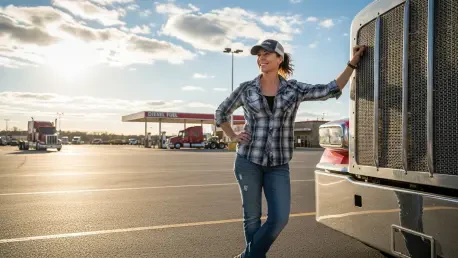
The emergence of the trucker influencer has become a powerful force in deconstructing long-standing industry stereotypes. Through social media platforms, female drivers are sharing their daily experiences, humanizing a profession that was once shrouded in mystery. These individuals provide an authentic look at the challenges and rewards of the job, effectively serving as unofficial recruitment ambassadors. Their visibility is crucial for convincing a new generation that the driver’s seat is a viable and rewarding place for women.
Shifting consumer behavior, particularly the explosive growth of e-commerce, has placed unprecedented pressure on the logistics network. Customers now expect faster, more reliable deliveries, which in turn demands a more robust and flexible driving force. This surge in demand has highlighted the fragility of the current labor market and the urgent need to tap into the female workforce. As the volume of goods being transported continues to rise, the industry simply cannot afford to ignore half of the potential talent pool.
The pivot toward flexible logistics models is also making the industry more attractive to a diverse range of candidates. The rise of home-daily routes and the establishment of localized distribution centers have reduced the need for long, multi-day hauls that kept drivers away from home for extended periods. This structural change addresses one of the primary barriers to entry for many women, who may require more predictable schedules to balance professional and personal responsibilities.
Measuring the Potential: Market Data and Future Projections
Quantifying the current driver shortage reveals a troubling trend across the United Kingdom and Europe. Projections suggest that without a significant influx of new drivers, the logistical framework could face a localized collapse in service capacity by 2030. Current vacancies are already affecting delivery times and increasing operational costs for freight companies. Expanding the recruitment focus to include women is the most logical and immediate solution to this labor deficit.
Data from driving tests indicates that the performance advantage of female drivers is a significant, yet underutilized, asset. In recent years, female candidates have consistently demonstrated high competency levels, often achieving pass rates that meet or exceed those of their male counterparts. Furthermore, safety data suggests that women are frequently involved in fewer high-risk traffic incidents, making them highly reliable employees for insurance-conscious fleet operators.
Economic forecasts suggest that doubling female participation in the transport sector by 2030 would provide a substantial boost to the regional economy. This increase in labor participation would not only solve the immediate driver shortage but also drive innovation within the industry. Companies that prioritize diversity are often more resilient and better equipped to handle the complexities of a modern, globalized market.
Overcoming Structural Barriers and Operational Hurdles
The lack of adequate infrastructure remains the single most significant deterrent for women entering the trucking profession. Roadside rest areas frequently lack clean, safe, and gender-specific sanitary facilities, forcing female drivers to navigate environments that are at best uncomfortable and at worst exclusionary. Without an immediate and nationwide investment in high-quality facilities, recruitment efforts will likely continue to struggle.
Dismantling the myth of ability is another critical hurdle that requires a shift in both public perception and corporate culture. The ingrained bias that labels heavy haulage as men’s work persists in many corners of the industry, creating a subtle but pervasive barrier to entry. Training programs must be designed to challenge these biases directly, ensuring that female recruits are judged solely on their professional skills and technical proficiency.
Safety and security concerns are paramount for solo female drivers, especially during overnight stops in remote areas. Implementing better lighting, secure parking zones, and specialized safety training can significantly mitigate the risks associated with the profession. When drivers feel secure in their working environment, they are more likely to remain in the industry long-term, reducing the high turnover rates that currently plague the sector.
Solving the equity gap also involves addressing horizontal segregation within the workforce. Women must have equal access to high-paying specialized roles, such as hazardous material transport or heavy-load hauling, which have traditionally been dominated by men. Ensuring that shift patterns and promotion tracks are transparent and equitable is essential for retaining female talent and providing a clear path to career advancement.
The Regulatory Framework and Industry Standards
Legislation plays a vital role in fostering an inclusive environment within the transport sector. Laws governing employment equality and gender pay gap reporting are forcing companies to take a hard look at their internal structures and recruitment practices. By holding organizations accountable for their diversity metrics, regulators are creating a more transparent and competitive labor market that benefits all workers.
Standardized safety and compliance protocols are also being updated to ensure that roadside facilities meet the needs of a diverse workforce. Regular audits of truck stops and rest areas are becoming more common, with a focus on hygiene, security, and accessibility. These standards are crucial for ensuring that the physical environment of the job does not act as a barrier to those who are otherwise qualified and eager to work.
Government-funded initiatives and training grants have proven effective in recruiting underrepresented groups into logistics. By lowering the financial barrier to obtaining a commercial license, these programs enable individuals from various backgrounds to enter the profession. Continued public investment in these initiatives is necessary to maintain the momentum of workforce diversification and to ensure a steady supply of skilled drivers for the future.
The Horizon of Haulage: Innovation and Future Growth
Technological levelers are rapidly removing the physical barriers that once defined the trucking industry. Modern vehicles equipped with power steering, automatic transmissions, and advanced driver-assist systems have made operating a heavy goods vehicle more accessible than ever before. These innovations ensure that technical skill and situational awareness are the primary requirements for success, rather than physical strength.
The transition toward sustainable logistics and carbon-neutral shipping is also being led by a more diverse generation of drivers. As the industry adopts electric heavy goods vehicles and sophisticated routing software, the role of the driver is evolving into that of a sustainability professional. A diverse workforce is better positioned to embrace these new technologies and lead the industry through the green transition.
As international labor standards continue to evolve, the trucking community is becoming more mobile and inclusive. Global economic integration requires a workforce that can navigate different cultural and regulatory landscapes with ease. By fostering an environment that values diversity, the haulage industry can ensure it has the human capital necessary to support the complex demands of 21st-century commerce.
Driving Forward: A Strategic Mandate for Industry Evolution
The findings of this report confirmed that the driver shortage is a structural crisis that could not have been solved by traditional recruitment methods alone. It was established that the industry’s failure to engage the female labor market was a primary factor in the current labor deficit. The evidence clearly indicated that women possess the technical skills and reliability required to excel in the profession, yet they were held back by outdated infrastructure and cultural biases.
The roadmap to modernization required a concerted effort from both private operators and government bodies to invest in better facilities and transparent career pathways. Success was dependent on the industry’s ability to move beyond symbolic gestures and implement meaningful cultural reforms. By prioritizing safety, equity, and accessibility, the sector began to see a gradual but significant increase in female applications and retention rates.
Ultimately, the inclusion of women was recognized not just as a matter of social equity but as a fundamental operational necessity. The logistics industry faced a choice between stagnation and evolution, and it chose to modernize. This transition ensured that the backbone of the global economy remained strong, resilient, and capable of meeting the challenges of a rapidly changing world.