
The logistics landscape in India is undergoing a massive transformation, driven by a surge in manufacturing and global trade. Rohit Laila, a veteran with decades of experience in supply chain innovation, provides a deep dive into how air cargo leaders are navigating these complexities. With the recent expansion of freighter services to key Indian hubs, we explore the strategic integration of air and road networks and the critical role of specialized handling for a diverse range of goods, from life-saving pharmaceuticals to high-tech electronics.
With new freighter routes connecting Dubai to Mumbai via Singapore and direct service to Ahmedabad, how does this routing optimize the flow of pharmaceuticals and electronics? What specific logistical hurdles do these dedicated flights help overcome compared to utilizing standard bellyhold capacity on passenger aircraft?
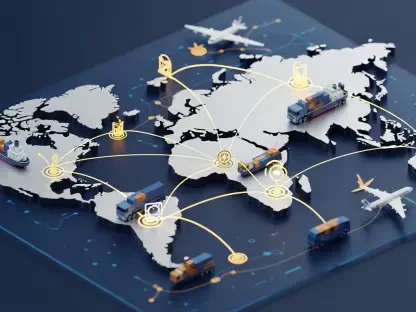
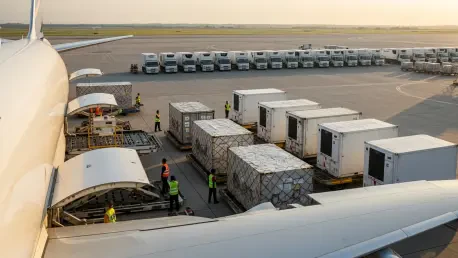
Dedicated freighter services provide a level of stability and capacity that passenger aircraft simply cannot match, especially when you consider that we already utilize bellyhold space on 167 passenger services across nine gateways. By adding these weekly flights to Mumbai and Ahmedabad, we can prioritize high-demand goods like personal electronic devices and pharmaceuticals that require strict scheduling and volume guarantees. The primary hurdle with passenger flights is the limitation on cargo height and weight due to luggage requirements, whereas a dedicated freighter allows us to maximize the 3,000-tonne weekly uplift we maintain for the region. These routes specifically ensure that sensitive goods do not sit on a tarmac waiting for space, which is vital for maintaining the efficacy of medicines and the speed-to-market for tech gadgets.
Handling fresh produce alongside high-value electronics requires distinct protocols. How do you balance the moisture-control needs of perishables with the security requirements of high-tech devices? What specific steps ensure these diverse goods remain intact during the transition from aircraft to temperature-controlled road transport?
Managing a manifest that includes both fresh fruits and delicate electronics is a masterclass in compartmentalization and specialized ground handling. For perishables, we focus heavily on the “cool chain,” ensuring that the transition from the aircraft hold to our temperature-controlled reefer trucks is seamless to prevent spoilage from India’s intense heat. High-value electronics, on the other hand, require high-security protocols and dry environments to prevent static or moisture damage, often involving specialized packaging and dedicated storage zones. The synchronization happens at the warehouse level, where we use separate loading docks for different cargo types to ensure that a shipment of spices or vegetables doesn’t compromise the integrity of a satellite or a crate of automotive parts.
Reaching offline destinations like Coimbatore and Goa involves a network of over 1,000 trucks moving thousands of tonnes of cargo. What are the operational complexities of integrating temperature-controlled reefer trucks into the final mile? How do you maintain cargo integrity and visibility across India’s diverse road infrastructure?
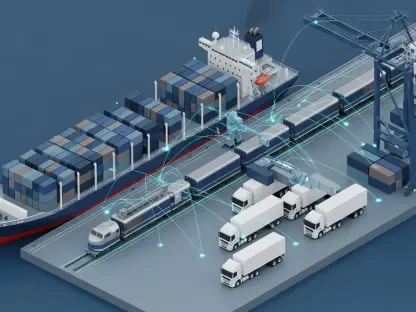
The scale of our road network is quite significant, with over 1,000 trucks moving nearly 5,500 tonnes of cargo in 2025 alone to bridge the gap between our major hubs and cities like Coimbatore and Goa. The biggest complexity is maintaining the “never-break-the-cold-chain” rule for pharmaceuticals and medical equipment across thousands of miles of varied road conditions. We utilize advanced reefer trucks that are essentially mobile refrigerators, providing real-time data on internal temperatures to our operations centers. This level of visibility ensures that whether we are transporting heavy machinery, clothing, or even aircraft spare parts, the client knows exactly where their shipment is and that it is arriving in the same condition it left the factory.
The addition of a dedicated freighter to Dhaka signals a broader regional growth strategy. How does adding Bangladesh to the schedule complement existing hubs like Kolkata or Chennai? What specific metrics determine when a market requires a dedicated freighter versus relying on passenger aircraft bellyhold?
Adding Dhaka to our schedule this April is a strategic move that creates a powerful triangular trade corridor when combined with our existing operations in Kolkata and Chennai. We look at specific metrics such as consistent volume growth, the nature of the commodities—like the massive textile and e-commerce output from Bangladesh—and the limitations of existing passenger flight schedules. When a market consistently hits a certain threshold where bellyhold capacity can no longer guarantee the uplift of local manufacturing output, we deploy a dedicated freighter. This ensures that we provide the reliable and stable capacity that divisional leadership has identified as essential for supporting the region’s long-term trade strength.
India is a global powerhouse for manufacturing, textiles, and e-commerce. As trade corridors strengthen, what long-term infrastructure investments are necessary to sustain a 3,000-tonne weekly uplift? How does this increased connectivity specifically benefit local manufacturers looking to reach international markets?
To sustain and grow beyond our current 3,000-tonne weekly uplift, India must continue investing in automated cargo terminals and streamlined customs processing to reduce dwell times on the ground. For local manufacturers, this increased connectivity is a game-changer because it allows a small textile producer in an offline station to reach global markets with the same efficiency as a major corporation in Delhi or Mumbai. By integrating our air routes with a robust trucking network that serves nine major cities, we are essentially shrinking the distance between Indian factories and global consumers. This infrastructure allows for a more predictable supply chain, which is the “secret sauce” for any business looking to compete on an international stage.
What is your forecast for Emirates SkyCargo?
I anticipate that Emirates SkyCargo will increasingly transition from being just an airport-to-airport carrier to a truly integrated end-to-end logistics partner. As we expand our freighter fleet and deepen our road feeder networks in emerging markets, we will see a shift toward even more specialized handling for high-growth sectors like green energy components and advanced medical technology. The future lies in this hybrid model where massive air capacity is perfectly synchronized with “last-mile” precision, ensuring that no matter how remote a destination may be, it remains connected to the global economy.