
The vast desert expanse separating the Arabian Gulf’s key economic centers is set to be transformed by an ambitious feat of engineering that will shrink distances and redefine regional mobility. A landmark high-speed rail project is now underway, charting a course to connect the capitals of Saudi Arabia and Qatar, Riyadh and Doha, in a journey of just two hours. This initiative represents a pivotal moment in the Gulf Cooperation Council’s (GCC) broader strategy to modernize its infrastructure, foster deeper economic integration, and build a more sustainable future. More than just a railway, it is a powerful symbol of a shared vision for a connected and prosperous Gulf.
The New Gulf Express A Vision for Regional Connectivity
This new rail artery is being framed as a cornerstone of the region’s long-term economic diversification plans, moving beyond a historical reliance on road and air transport. For decades, travel between the two capitals has been dominated by short-haul flights and lengthy car journeys, each with its own logistical and environmental drawbacks. The introduction of high-speed rail promises a reliable, efficient, and greener alternative that caters to the demands of a modern, fast-paced economy.
The project is driven by a collaborative spirit between Saudi Arabia and Qatar, signifying a new chapter in bilateral cooperation. By leveraging cutting-edge technology and shared strategic objectives, both nations aim to create a world-class transportation network that not only serves their populations but also positions the Gulf as a global leader in advanced infrastructure. This venture is not merely about laying tracks but about building bridges between cultures and economies.
Engineering the Future Project Scope and Economic Impact
Bridging Capitals Route Speed and Seamless Integration
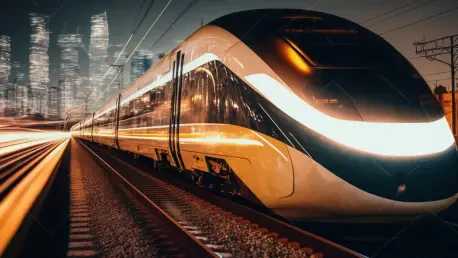
At its core, the project involves the construction of a 785-kilometer double-track line engineered for excellence. Trains will travel at speeds exceeding 300 kilometers per hour, drastically reducing the current travel time and creating an unprecedented link between the two urban centers. The route is strategically planned with key stations in economic hubs such as Al-Hofuf and Dammam, further integrating Saudi Arabia’s Eastern Province into this new corridor of mobility.
A critical design principle is the railway’s seamless integration with existing transportation ecosystems. Terminals in both Riyadh and Doha are being designed to connect directly with their respective international airports and urban metro systems. This focus on creating a frictionless, multimodal travel experience ensures that the journey is convenient from the first mile to the last, setting a new standard for public transit in the region.
A Catalyst for Growth Forecasting Passenger and Trade Volume
The economic case for the railway is compelling, with projections indicating an annual ridership of over 10 million passengers. This figure includes a diverse mix of business travelers, tourists, and residents who will benefit from the enhanced connectivity. The ease of travel is expected to stimulate a significant increase in tourism, enabling visitors to experience the cultural and commercial offerings of both nations within a single trip.
Moreover, the railway is poised to become a vital artery for regional trade. While primarily designed for passenger transit, the potential for dedicated freight services presents a major opportunity to streamline supply chains and reduce the carbon footprint of logistics. This boost in overland trade will foster greater economic interdependence and create new opportunities for businesses on both sides of the border.
Navigating the Desert Overcoming Construction and Logistical Hurdles
Constructing a high-speed rail line through one of the world’s most challenging environments presents formidable engineering obstacles. The project will require innovative solutions to counter extreme summer temperatures, shifting sands, and arid terrain, all of which can impact track integrity and operational safety. Advanced materials and climate-resilient construction techniques are being deployed to ensure the infrastructure’s long-term durability and reliability.
The cross-border nature of the initiative adds a layer of logistical complexity. A six-year completion timeline demands immaculate coordination between multiple government agencies, contractors, and suppliers from both countries. Managing a unified construction schedule, synchronizing supply chains, and ensuring consistent quality control across the border are critical challenges that require a robust and collaborative project management framework.
Laying Down the Law Governance and Cross-Border Standards
The successful operation of a cross-border railway hinges on a comprehensive legal and regulatory framework. Binational agreements are being established to govern every aspect of the project, from construction and financing to operations and maintenance. These treaties will provide the legal certainty necessary to secure investment and ensure that both nations’ interests are aligned for the long term.
To guarantee safety and efficiency, a unified set of technical and operational standards is being developed in compliance with the highest international benchmarks. This includes harmonized signaling systems, safety protocols, and crew training programs to ensure seamless transit across the border. A joint governance body will oversee these standards, facilitating secure and efficient operations once the line is complete.
Beyond Two Hours The Future of GCC Rail Integration
This Riyadh-Doha link is not an isolated project but a foundational element of the much larger GCC Railway plan. It serves as a practical blueprint and a catalyst for the broader vision of connecting all six member states by rail by 2030. Lessons learned from its construction and operation will inform the development of future rail corridors, accelerating the creation of a fully integrated regional network.
Looking forward, the railway is being designed as a “smart” corridor, with plans to integrate artificial intelligence for predictive maintenance, IoT sensors for real-time monitoring, and advanced digital platforms for an enhanced passenger experience. This forward-thinking approach will ensure the railway remains at the forefront of transportation technology and serves as a model for future infrastructure projects worldwide.
The Final Destination A New Era of Gulf Mobility
This analysis detailed how the Riyadh-Doha high-speed rail project was poised to become a transformative force for the region. The report identified its key economic benefits, from stimulating tourism and trade to fostering a more dynamic business environment. Furthermore, the initiative was presented as a significant step toward environmental sustainability by offering a low-carbon alternative to air and road travel.
Ultimately, the project was understood as more than just a transportation link; it was a powerful symbol of regional collaboration and ambition. Its successful completion represented a new era of mobility and integration for the Gulf, strengthening bilateral ties between Saudi Arabia and Qatar and laying the groundwork for a more connected and prosperous future for the entire GCC.