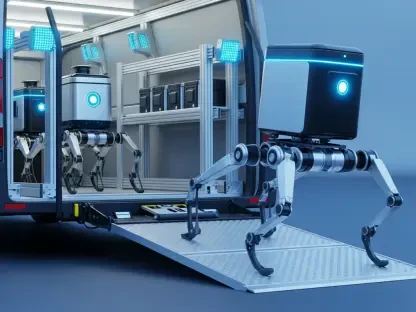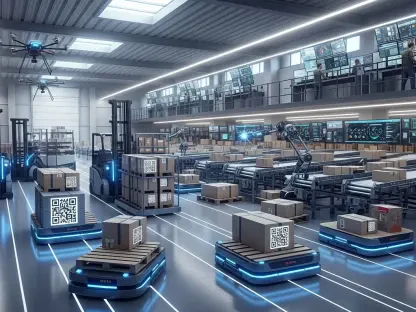

The global logistics landscape is currently undergoing a seismic shift as traditional fulfillment centers struggle to keep pace with the relentless demands of high-volume e-commerce and escalating labor costs. While many facilities have historically relied on complex shuttle systems, roughly seventy-five percent of these operations remain tethered to aging infrastructure that requires significant capital expenditure and months of installation time. The introduction of the Gridpicker system at the LogiMAT 2026 exhibition represents a pivotal moment for warehouse operators seeking to bridge the gap between high-density storage and robotic flexibility. This technology utilizes advanced AI-powered mobile manipulators to navigate a grid-based environment, effectively removing the physical bottlenecks that typically plague static automation setups. By focusing on a modular approach, the system provides a realistic path for companies to modernize their workflows without the prohibitive costs associated with fixed-path conveyors or massive steel installations. This change signaled a new era where adaptability is no longer a luxury but a fundamental requirement for survival in the global supply chain.
Technical Advancements: Throughput and Space Optimization
This hybrid architectural strategy combines the massive storage density of a cube-based grid with the versatile navigation of autonomous mobile robots. One of the most striking aspects of the new hardware is its ability to operate at heights reaching forty feet, which allows facility managers to utilize every cubic inch of vertical space that was previously inaccessible to standard picking robots. Unlike traditional shuttles, this system is capable of delivering up to twice the throughput per unit of floor area while simultaneously slashing operational costs by nearly forty percent. The integration of picking, buffering, sortation, and consolidation into a single automated stream signifies a major departure from fragmented logistics processes. By handling these diverse tasks autonomously, the solution can achieve labor savings of up to ninety-five percent, allowing human workers to transition into more complex supervisory roles. This level of efficiency is particularly vital for high-volume environments where order accuracy and speed are paramount for maintaining a competitive edge.
Strategic Implementation: The Path to Scalable Fulfillment
Looking at the immediate implementation schedule, several major distributors already committed to early deployments starting in the latter half of 2026. This trend suggested that the industry moved away from rigid, multi-year construction projects toward scalable systems that could handle ten order lines per hour for every square meter of floor space. Decision-makers within the logistics sector prioritized these adaptable solutions because they offered a lower barrier to entry for high-density automation. Organizations that successfully integrated this technology focused on evaluating their peak volume requirements before committing to a specific grid footprint. It became clear that the modular nature of the system allowed for incremental growth, ensuring that capital was deployed only when demand justified the expansion. To stay ahead of the curve, logistics leaders began auditing their existing storage heights and aisle configurations to ensure compatibility with these vertical-reaching manipulators. This proactive planning transformed warehouse operations into highly efficient hubs.