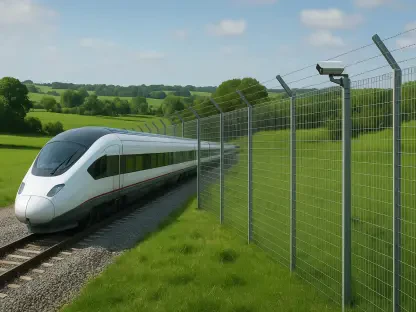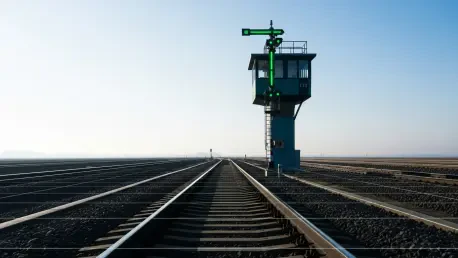

The recent authorization of a massive four hundred and five crore rupee investment marks a pivotal moment for the Eastern Railway as it embarks on a comprehensive technological overhaul of its aging signaling infrastructure across thirty-two critical locations. This initiative is not merely a routine maintenance update but a fundamental transformation designed to replace legacy mechanical and relay-based systems with state-of-the-art Electronic Interlocking technology. By modernizing these strategic stations and intermediate signaling points, the railway administration aims to address the growing demands of high-density rail traffic with unprecedented precision and reliability. The transition represents a strategic pivot toward a digital future where hardware limitations no longer dictate the pace of movement or the frequency of operations. As the network undergoes this metamorphosis, the focus remains on eliminating the inherent risks associated with manual interventions and physical wear, ensuring that one of India’s most vital transport zones can operate at peak efficiency.
Transitioning to Advanced Microprocessor Interlocking Logic
The shift to Electronic Interlocking represents a definitive move away from the physical vulnerabilities inherent in legacy electromechanical systems that have served the region for decades. By replacing old Panel Interlocking and Route Relay Interlocking frameworks with software-driven logic, the railway effectively eliminates common operational issues such as faulty wiring, relay fatigue, and complex equipment degradation. These digital systems require significantly less physical space than their predecessors and utilize fewer moving parts, which drastically reduces the frequency of mechanical failures and simplifies long-term maintenance protocols for technical teams. The adoption of microprocessor-based controls allows for the seamless integration of complex traffic movements, ensuring that the logic governing train paths is both robust and easily adaptable to future track layout changes. Furthermore, the modular nature of this technology facilitates quicker repairs and upgrades, minimizing the downtime that historically plagued the network.
Establishing the Digital Foundation for Kavach Safety
The implementation of this digital backbone is a necessary prerequisite for deploying next-generation safety suites such as Kavach, the indigenous train collision avoidance system designed to provide a fail-safe environment for rail operations. The new infrastructure provides the essential technical architecture to support Automatic Block Signaling and Centralized Traffic Control, enabling the real-time monitoring and remote management of vast track sections from a single command hub. These enhancements are critical in preventing human errors, such as signal passing at danger, by providing automated interventions that can halt or slow a train if a potential hazard is detected ahead. Beyond immediate collision avoidance, the system provides engineers with sophisticated diagnostic tools that can identify and isolate potential faults before they escalate into significant service disruptions. By moving toward an integrated safety ecosystem, the Eastern Railway ensures that every kilometer of track is under constant digital surveillance.
Enhancing Capacity on Strategic High-Density Corridors
By prioritizing the busiest freight and passenger routes, the modernization project strengthens the most vital economic arteries that connect eastern India to the rest of the national supply chain. The upgrade specifically addresses systemic legacy failures that often occurred due to electrical interference and power supply issues associated with outdated underground wiring and deteriorating relay rooms. This focus on “smart” infrastructure allows for more complex and efficient train routing, ensuring that the most heavily utilized sections of the network remain resilient even under constant operational stress. The ability to manage higher train frequencies without compromising safety margins is a direct result of the increased precision offered by digital signaling. Consequently, the railway can now maximize the utility of existing track assets, reducing the immediate need for capital-intensive land acquisition and track construction. This strategic allocation of resources ensures the investment yields maximum benefits.
Optimizing Regional Logistics and Freight Efficiency
The modernization of the Eastern Railway has a direct and measurable positive impact on the regional economy by streamlining the movement of essential minerals, industrial goods, and thousands of daily commuters. Improved signaling reliability leads to a marked increase in track throughput, allowing a higher volume of trains to traverse existing lines with improved punctuality and reduced transit times. This enhanced efficiency minimizes delays and ensures the seamless transport of millions of tons of freight, reinforcing the railway’s role as a critical pillar of national logistics and a driver of industrial growth. Furthermore, the digital transition supports the regional goal of becoming a hub for modernized transport, attracting further investments into the surrounding industrial corridors that depend on reliable rail connectivity. As transit times decrease and reliability increases, businesses can optimize their inventory management and supply chain schedules, leading to broader economic advantages.
Realizing Operational Excellence and Long-Term Results
The successful integration of digital signaling solutions provided a clear roadmap for the future of rail transport, demonstrating that targeted technological investments could resolve long-standing operational bottlenecks. Stakeholders recognized that the transition to Electronic Interlocking was not just a hardware upgrade but a fundamental shift in how rail safety and efficiency were managed on a large scale. The project achieved its primary goals by reducing mechanical failures and increasing the frequency of train movements across high-density corridors, thereby proving the viability of microprocessor-based controls in rugged environments. To maintain this momentum, the focus shifted toward continuous training for technical personnel and the rigorous implementation of software updates to keep pace with evolving threats. These actions ensured that the newly modernized sections remained at the forefront of global rail standards. By prioritizing data-driven decision-making, the railway established a new benchmark for large-scale infrastructure.