
The landscape of modern logistics has shifted from simple storage to a high-speed technological race where every second saved in movement translates directly into improved profit margins. As companies struggle to keep pace with the relentless demands of global fulfillment, the necessity for smarter, more adaptable systems has never been more pressing. HOJ Innovations has emerged as a pivotal force in this transition, moving beyond its roots in traditional material handling to redefine how robotic intelligence and human labor coexist on the warehouse floor. By merging decades of operational experience with advanced automation, they are solving the specific inefficiencies that have historically throttled supply chain throughput.
This exploration delves into the strategic shift toward autonomous systems and the specific ways HOJ Innovations is addressing industry pain points. Readers will gain insight into the role of system integration, the practical application of autonomous mobile robots, and the methodology used to reduce operational waste. As the industry moves further into a tech-centric future, understanding these shifts becomes essential for any organization looking to modernize its internal infrastructure.
Key Questions Addressing the Future of Logistics
What Is the Core Philosophy Behind HOJ Innovations’ Approach to Robotics?
While many technology providers focus on the novelty of their hardware, the strategy here centers on the utility of the system as a whole. Rather than attempting to manufacture their own robots from scratch, the focus remains on acting as an expert system integrator. This distinction is vital because it allows for a hardware-agnostic approach, where the primary goal is to find the best tool for a specific job rather than forcing a proprietary machine into a role it may not be suited for.
By leveraging their established WarehouseOS software, the company creates a digital brain that manages both humans and machines in a single, unified environment. This integration ensures that automation is not just an additive feature but a functional extension of the existing workflow. Consequently, the emphasis is placed on the return on investment and the practical performance of the technology within the unique constraints of a client’s facility.
How Do Autonomous Mobile Robots Reduce Production Inefficiencies?
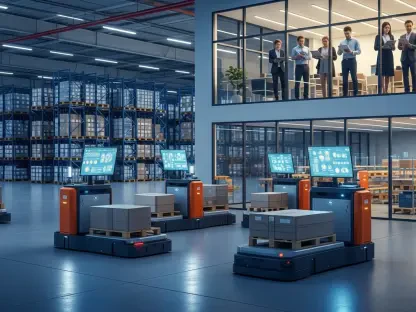
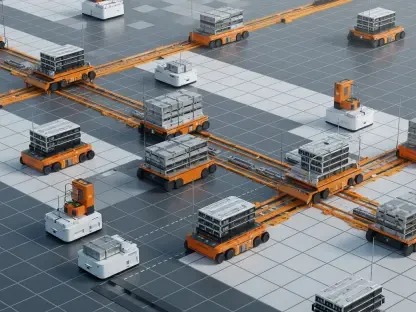
One of the most persistent challenges in any fulfillment center is the phenomenon of lost production, where skilled workers spend a disproportionate amount of time performing low-value tasks. Walking across a vast warehouse to transport a cart or searching for the next picking zone creates significant friction that slows down the entire operation. Autonomous mobile robots, or AMRs, are deployed specifically to target these dead zones of productivity by taking over the heavy lifting and movement.
When a robot handles the transport of materials between stations, human operators can remain in their primary work zones, focusing on tasks that require cognitive skill and dexterity. This orchestration allows for a continuous flow of work, where the machine brings the task to the person rather than the other way around. By streamlining these transitions, the facility can achieve much higher throughput without increasing the physical burden on the workforce, effectively turning the warehouse into a more fluid and responsive ecosystem.
What Role Does the Specialized Research and Development Space Play?
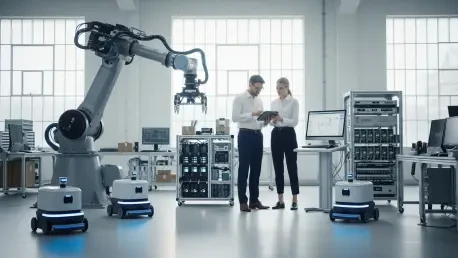
Innovation in the robotics sector requires more than theoretical planning; it demands a physical space where hardware and software can be pushed to their limits. The expansion of the Salt Lake City headquarters included a dedicated wing designed to serve as a testing ground for new automation interfaces. This environment allows engineers to simulate real-world scenarios and fine-tune the synergy between the robotic units and the WarehouseOS platform before any equipment reaches a customer’s site.
This proactive testing phase is crucial for ensuring that the integration is seamless and that the software can handle the complexities of a live manufacturing or distribution floor. It provides a controlled setting to experiment with different robotic configurations, from small-scale tote carriers to heavy-duty pallet movers. This rigorous preparation minimizes the risk of downtime during the actual implementation phase and ensures that every automated solution is battle-tested for reliability and safety.
How Versatile Is the Current Portfolio of Robotic Hardware?
The requirements of a retail fulfillment center are vastly different from those of a heavy manufacturing plant, necessitating a diverse range of robotic solutions. The current lineup includes everything from agile robots designed to navigate tight aisles with small packages to massive industrial machines capable of transporting loads exceeding six thousand pounds. This versatility allows for the automation of a wide spectrum of tasks, including the movement of raw materials through various curing stages or the staging of finished goods for shipment.
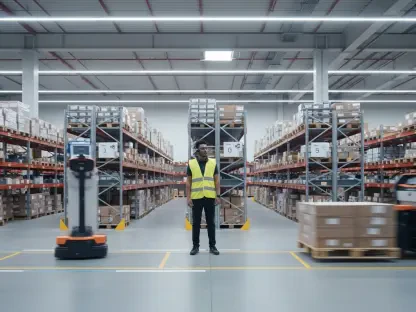
Moreover, these machines offer a physical footprint that is often much smaller than traditional material handling equipment like forklifts. This maneuverability enables facilities to optimize their layouts, using narrower aisles and more dense storage configurations that would be impossible with manual machinery. The focus on certified safety standards, such as UL and CE markings, further ensures that these units can operate safely alongside human workers in even the most high-traffic industrial environments.
Summary of Strategic Innovations
The transition into a comprehensive provider of autonomous solutions has fundamentally changed how material handling challenges are approached. By focusing on the integration of existing high-quality hardware with proprietary management software, the company has successfully bridged the gap between manual labor and full automation. Key insights from recent implementations suggest that the most effective strategy involves identifying specific manual bottlenecks and applying targeted robotic interventions rather than attempting a total, unplanned overhaul of the facility.
Furthermore, the emphasis on safety and compliance has made the adoption of these technologies more accessible for risk-averse industries like heavy manufacturing. The results seen since the launch of the dedicated automation division demonstrate a clear demand for systems that prioritize operational fluidity and employee ergonomics. These advancements have solidified a new standard for how warehouses function, moving away from static operations toward dynamic, data-driven environments.
Final Reflections on Warehouse Evolution
The successful integration of autonomous mobile robots demonstrated that the future of logistics depended less on the robots themselves and more on the intelligence governing their actions. As facilities continued to evolve, the focus shifted toward creating environments where technology supported human talent rather than replacing it. This balanced approach allowed organizations to scale their operations with a level of precision that was previously unattainable through manual methods alone.
Moving forward, the challenge for many will be determining the optimal pace of adoption for these emerging technologies. Organizations should begin by conducting thorough audits of their current workflows to identify the specific points where human movement is most hindered by repetitive transport tasks. By focusing on these high-impact areas first, businesses can build a foundation for a more resilient and automated supply chain that is capable of adapting to the unpredictable demands of the global market.