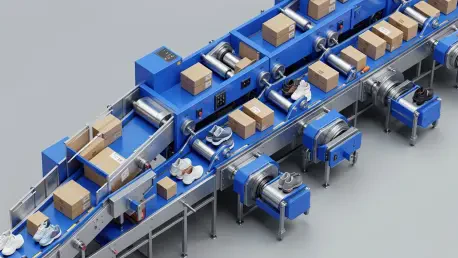

The rapid acceleration of global e-commerce has forced a dramatic reimagining of the physical infrastructure that keeps the world’s supply chains moving. Automated sortation has emerged as the essential heartbeat of this movement, transforming chaotic shipping volumes into precise, predictable streams of delivery. This review examines how recent technological shifts have redefined these systems, moving beyond simple conveyor belts to integrated digital ecosystems capable of processing tens of millions of parcels daily with surgical accuracy.
Evolution and Core Principles of Automated Sortation
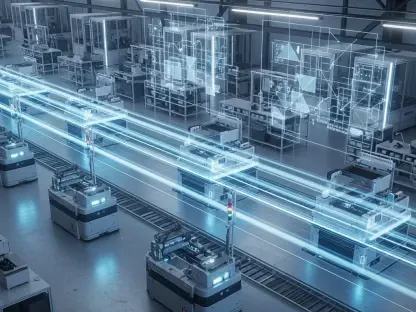
Modern logistics has transitioned from manual labor to high-capacity automation as a necessity for survival in a high-demand market. The shift involves replacing human sorting, which is prone to fatigue and error, with systems that leverage scanning sensors and complex logic controllers to direct traffic at high speeds. These systems act as the primary brain of a warehouse, ensuring that every package finds its specific route within seconds of entering the facility.
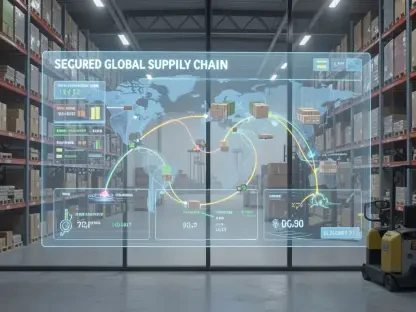
Unlike the static equipment of the past, current systems integrate seamlessly into the broader technological landscape of supply chain management. By utilizing real-time data, sortation units can adjust their logic based on incoming volume or downstream bottlenecks. This adaptability allows the system to remain the backbone of the industry, bridging the gap between digital orders and physical delivery.
Technical Specifications and Performance Drivers
High-Throughput Mechanical Diverters
The reliability of a mechanical diverter is measured by its ability to handle immense volume without mechanical failure. Modern systems have pushed these boundaries, increasing daily processing capacity from standard benchmarks to massive outputs of 88 million pieces. This performance is achieved through precision-engineered arms and sliding shoes that move parcels without damaging fragile contents, even at maximum speed.
High-pressure environments demand accuracy that rivals human perception. Advanced systems now utilize sophisticated sensors that read barcodes and labels from multiple angles simultaneously, ensuring that speed does not come at the cost of misdirected shipments. This combination of velocity and precision is what allows large-scale operations to maintain their reputation for reliability during peak seasonal surges.
Advanced Weight and Volume Handling
Technological modernization has addressed the historical limitation of lightweight mail processing by introducing hardware capable of handling heavier, higher-value packages. Structural enhancements in conveyor durability and motor torque allow these machines to process diverse dimensions that previously required manual intervention. This versatility ensures that a single system can manage everything from small envelopes to bulky consumer electronics.
The significance of machine durability cannot be overstated, as it directly impacts long-term maintenance overhead. By utilizing more robust materials and predictive maintenance sensors, operators can reduce the frequency of physical repairs. This shift toward ruggedized hardware ensures that the infrastructure remains operational for longer cycles, providing a better return on investment for large-scale logistics providers.
Recent Trends in Logistics Infrastructure
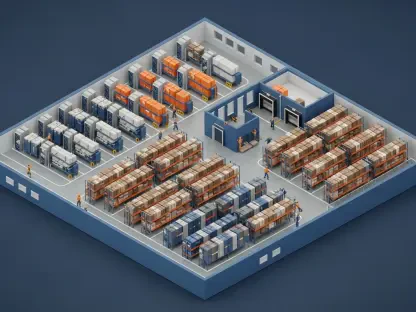
The current trend in logistics points toward a massive consolidation of disparate delivery units into centralized regional processing centers. Moving away from localized, small-scale sorting allows for economies of scale that were previously impossible. This centralization is a core pillar of strategic initiatives like the USPS “Delivering for America” plan, which seeks to optimize the path of every parcel through a high-volume hub.
Moreover, the shift toward hub-based operations allows for the integration of “smart” logistics plans that prioritize energy efficiency and transportation speed. By aggregating volume into these massive centers, carriers can better utilize their vehicle fleets and reduce the carbon footprint of individual deliveries. This organizational shift is as much about logistical intelligence as it is about physical hardware.
Real-World Implementations and Strategic Deployment
Major carriers like FedEx, UPS, and the USPS have already begun implementing these high-speed systems to maintain their competitive edge. In Memphis and Louisville, these technological upgrades have reinforced the status of these cities as global supply chain leaders. The deployment of this equipment allows these hubs to function as the primary engines of the national economy, processing millions of packages with minimal human contact.
To ensure service continuity during these massive upgrades, carriers often employ volume diversion strategies. By temporarily rerouting parcels to neighboring facilities while new hardware is installed, they manage to modernize their infrastructure without halting the flow of goods. This strategic flexibility is essential for maintaining trust in an industry where a single day of downtime can cause nationwide delays.
Implementation Challenges and Operational Hurdles
Retrofitting aging infrastructure with modern, high-speed hardware is rarely a seamless process. Technicians often face hurdles when trying to integrate digital sensors with older mechanical frames, leading to temporary service disruptions or tracking anomalies. While these issues are usually short-lived, they highlight the difficulty of upgrading a “live” network that never stops moving.
Furthermore, navigating the logistics of temporary relocation requires precise coordination with existing shipment tracking systems. Customers might see their packages appearing in unexpected locations during a facility upgrade, which can lead to confusion if not communicated effectively. Managing these transitions without impacting customer drop-off points remains a primary operational challenge for major postal services.
Future Outlook and Scalability
The next phase of sortation will likely be defined by the deep integration of machine learning for predictive routing. By analyzing historical data, future systems will be able to anticipate volume spikes and adjust sortation logic before a bottleneck even occurs. This shift toward proactive logistics will distinguish the most efficient carriers from those who simply react to demand.
Scalability will also hinge on the development of modular sortation systems that can be deployed rapidly in response to regional growth. As public postal services and private carriers compete for market share, the ability to scale infrastructure up or down will be a decisive factor. The evolution toward fully autonomous, modular networks will likely level the playing field between established giants and agile tech-driven newcomers.
Assessment of Current Technological Impact
The transition to automated package sortation revolutionized the logistics sector by replacing rigid, manual processes with fluid, data-driven systems. This modernization provided the necessary speed and reliability to keep pace with an era of instant gratification and global commerce. It became clear that without these high-capacity machines, the massive volume of modern shipping would have overwhelmed the traditional postal network long ago.
The evolution suggested a future where human intervention is reserved for oversight rather than physical sorting. Operators who embraced these upgrades positioned themselves to handle the heavier, more valuable cargo that now dominates the market. Moving forward, the focus must shift toward refining the software that controls these mechanical marvels, ensuring that the hardware is as intelligent as it is fast. This trajectory indicated a permanent shift toward a fully autonomous logistics landscape that values throughput above all else.