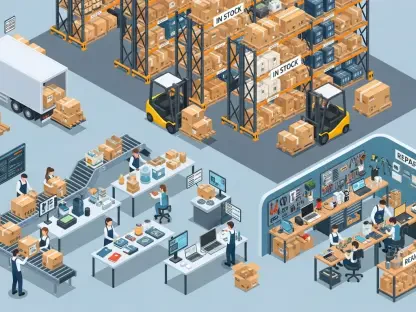

In the competitive world of retail, managing an efficient warehouse is crucial for maintaining profitability and meeting customer expectations. The smooth operation of a warehouse relies on various processes, including inventory tracking, locating goods, managing staff schedules, fulfilling orders,

Last mile delivery services are a uniquely challenging aspect of retail logistics, with a significant impact on customer satisfaction and overall brand perception. As eCommerce continues to dominate the retail landscape, optimizing last-mile delivery is critical for businesses seeking to provide

Inventory management in retail is filled with complexities. Retailers often sell products both online and in multiple physical locations while dealing with various suppliers shipping inventory at different times. One miscalculation in predicting future demand can lead to a stockout situation, while
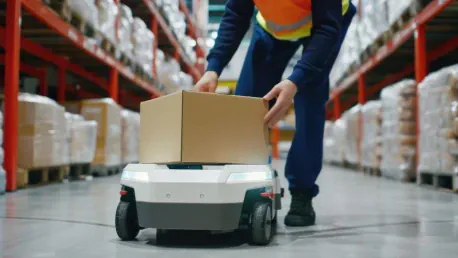
Managing a surging tide of post-holiday returns is a daunting task for the warehouse, where staffing shortages are all too common, and inventory challenges abound. The need for speed and efficiency has never been greater. Returns are an inevitable part of the supply chain, making their efficient

In today's fast-paced ecommerce environment, effective stock management is essential to meet customer demands and maintain profitability. The soaring number of out-of-stock messages—exceeding $2 billion last October—underscores the urgency of addressing this issue. Despite these challenges,

To optimize inventory management efficiently, apparel retailers need to leverage advanced technologies such as AI and machine learning for demand forecasting, automate inventory tracking through RFID and other IoT devices, and integrate omnichannel strategies to create a seamless inventory system