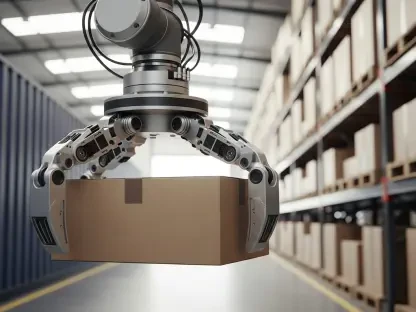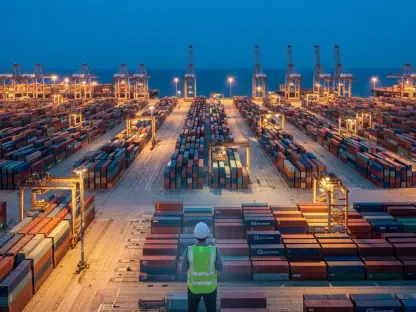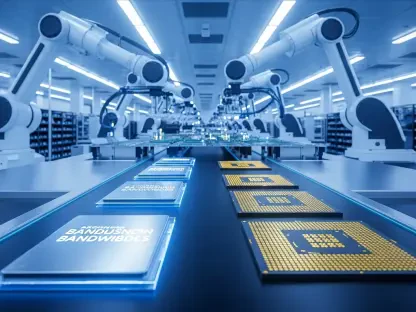

What happens when the world’s largest retailer decides to rethink the way goods move from factories to store shelves, not with more trucks or bigger warehouses, but with the power of algorithms? Walmart is quietly leading a transformation in retail logistics, using artificial intelligence (AI) to

What happens when technology doesn’t just assist but anticipates every move in a fiercely competitive industry? In the high-stakes arena of consumer packaged goods (CPG) and retail, artificial intelligence (AI) is not merely a tool—it’s a transformative force reshaping how businesses operate and
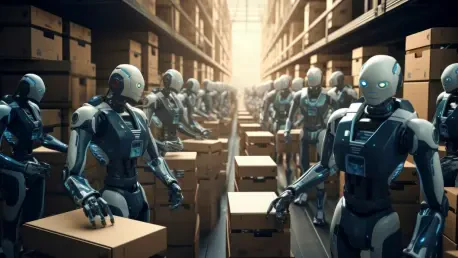
In the fast-paced world of logistics and warehousing, where labor shortages and operational inefficiencies can cripple productivity, finding innovative solutions has become a pressing priority for industry leaders. Imagine a warehouse struggling to meet tight delivery deadlines while grappling with

Imagine a global network of over 61,000 restaurants, spanning 155 countries, serving millions of meals daily, yet struggling with fragmented supplier interactions and inefficiencies in procurement that hinder operational success. This is the challenge faced by major players in the quick-service
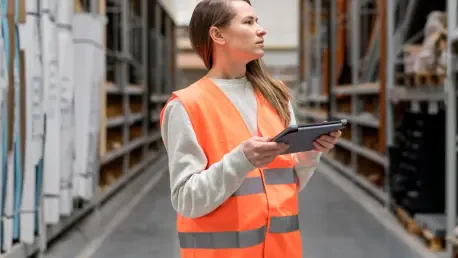
Setting the Stage for Logistics Transformation Imagine a global supply chain where a single delayed shipment in one corner of the world ripples across continents, costing millions in lost revenue and frustrated customers, a scenario that is not a distant possibility but a daily reality for many
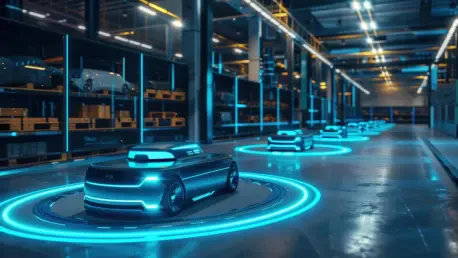
Setting the Stage for a Logistics Revolution Picture a logistics landscape where warehouses operate with clockwork precision, untouched by human hands, as robots and algorithms handle every task from inventory to delivery. In 2025, this vision is not a distant fantasy but a driving force reshaping