
The fundamental metric of success in a modern distribution center has evolved from the sheer speed of outbound shipments to a more nuanced state of operational confidence. This confidence is defined by the absolute certainty that the digital records within a warehouse management system exactly match the physical reality of goods on the racks and at the loading docks. As the retail landscape navigates a projected wave of returns valued at nearly $890 billion this year, managing this massive influx has transitioned from a peripheral concern to a primary structural necessity for long-term viability. Organizations can no longer afford to treat the return desk as a secondary operation, because any discrepancy in this area directly compromises the integrity of the entire inventory pool. To maintain a competitive edge in an increasingly volatile market, facility leaders must transform these incoming flows from manual, labor-intensive burdens into predictable, automated workflows that actively reinforce data accuracy rather than eroding it.
The Impact of the Inventory Gray Zone
Inventory integrity often begins to deteriorate at the precise moment a returned item enters the facility, creating what supply chain experts frequently describe as an operational gray zone. This zone is a state of digital limbo where a product has physically arrived but remains functionally invisible to the broader planning and sales systems. While a package sits in a staging area awaiting inspection, the warehouse management system lacks critical data regarding its condition, exact shelf location, or potential for immediate resale. If the reverse logistics process operates in a silo, disconnected from the primary orchestration layer, the resulting lag between physical receipt and digital availability creates massive blind spots. These gaps do more than just clutter the floor; they distort on-hand counts and cause procurement teams to lose faith in the data they rely on for daily decision-making. When a system cannot provide a real-time “available-to-promise” count, the entire organization begins to operate on assumptions rather than facts.
The uncertainty inherent in this gray zone creates a damaging ripple effect that extends far beyond the warehouse walls, compromising the efficiency of every department from finance to customer service. When managers cannot provide an accurate account of items sitting in return bins, the resulting data gaps lead to faulty replenishment signals, often triggering unnecessary purchase orders for items that are already in the building. This lack of transparency forces inventory planners to maintain excessive safety stock as a buffer against invisible shortages, which ties up significant corporate capital and increases carrying costs. Furthermore, sales teams often find themselves in a defensive position, hesitating to commit to large contracts or promotional events because they fear stockouts despite what the screen indicates is available. This culture of distrust eventually erodes brand reputation, as customers receive “out of stock” notifications for items that are technically present but trapped in a non-digitalized returns queue.
Building Resilience Through Automated Response
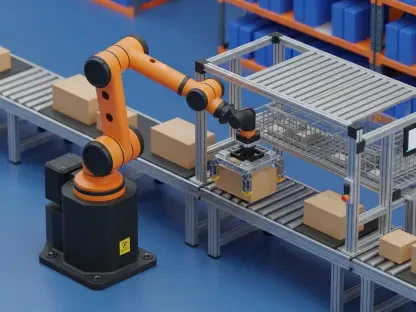
True operational confidence is rarely achieved by attempting to eliminate variability entirely, but rather by ensuring that the warehouse ecosystem knows exactly how to react when those fluctuations occur. Forward-thinking distribution centers are now deploying autonomous mobile robots and sophisticated orchestration platforms to absorb the sudden shocks caused by seasonal return surges. By integrating reverse logistics into the standard, real-time flow of the warehouse, returned items are no longer treated as problematic exceptions that require specialized handling or manual workarounds. This digital transformation allows the system to recognize a return the moment it is scanned at the dock, immediately assigning a task for its inspection or put-away. When these processes are handled by automated systems, the labor force can remain focused on high-priority outbound tasks while the technology ensures that every incoming unit is tracked, verified, and placed back into the available inventory pool without any delay.
Adopting a systemic approach to volume variability effectively prevents the need for the “heroic effort” typically required from warehouse staff during peak return periods when manual systems tend to break down. Instead of relying on the individual vigilance of workers to maintain record accuracy, the warehouse utilizes intelligent software to govern the precise movement and status of every single stock-keeping unit. When the orchestration layer handles the reintegration of high-demand items automatically, it creates a self-healing inventory ecosystem that adjusts in real-time to changing stock levels and customer demands. This level of sophisticated automation ensures that inventory states are captured immediately, allowing financial forecasts and demand planning models to reflect the current reality of the floor rather than relying on outdated or estimated figures. By removing human error from the data entry phase of returns, the facility builds a foundation of reliability that supports more aggressive growth strategies and leaner operational models.
Integrating Reverse and Forward Logistics
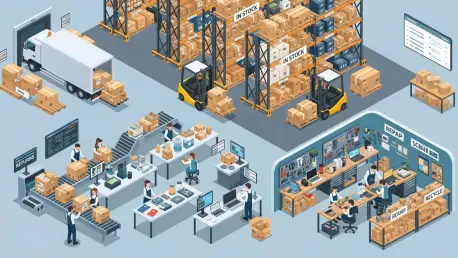
To achieve sustainable inventory integrity, reverse logistics must be elevated to a central leadership priority and integrated directly with the forward logistics framework. When a single orchestration layer governs both the outbound shipments leaving the facility and the incoming returns arriving at the back door, data silos are effectively eliminated. This unified view of the supply chain allows the warehouse to function as a cohesive unit where every movement, regardless of direction, is tracked with the same level of precision and urgency. By treating a return as just another inventory movement, companies can apply the same rigorous performance metrics and quality controls to the reverse flow as they do to their primary fulfillment operations. This transparency ensures that stakeholders across the enterprise have access to a single version of the truth, which is essential for maintaining operational agility in a market where customer expectations for speed and accuracy continue to escalate every single year.
Ultimately, the ability to manage returns with the same efficiency as outbound orders serves as the ultimate test of a warehouse’s design and its overall operational maturity. By eliminating the gray zone and prioritizing real-time visibility over manual intervention, organizations turn a potential drain on resources into a strategic multiplier for long-term growth. In an era where high return volumes are a permanent fixture of the retail landscape, the most successful companies will be those that view reverse logistics as a fundamental pillar of organizational trust. This transition requires a shift in mindset from seeing returns as a loss-mitigation exercise to seeing them as a vital source of inventory replenishment. Facilities that master this balance will find themselves better equipped to handle the complexities of omnichannel fulfillment, as they can confidently promise products to customers knowing exactly what is on the shelf and what is currently being processed back into the system.
The Path to Operational Excellence
The evolution of warehouse management necessitated a move away from fragmented systems toward fully integrated, automated solutions that prioritized data precision above all else. Companies that successfully navigated the challenges of high return volumes did so by investing in orchestration technologies that bridged the gap between physical movements and digital records. This shift allowed facility managers to reclaim control over their staging areas and eliminate the costly delays that once characterized the reverse logistics pipeline. Future strategies focused on the deployment of sensor-driven tracking and machine learning algorithms to predict return patterns before they even reached the loading dock. By treating the return process as a core component of the inventory lifecycle, these organizations secured a more stable financial footing and improved their overall service levels. The path forward required a commitment to continuous technological updates and a refusal to accept manual workarounds as a viable long-term solution for managing inventory integrity.