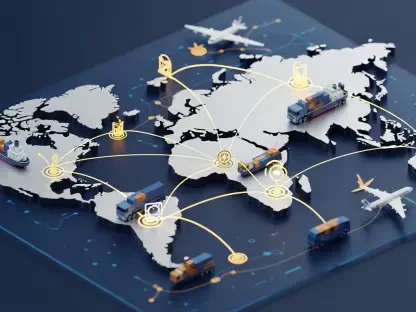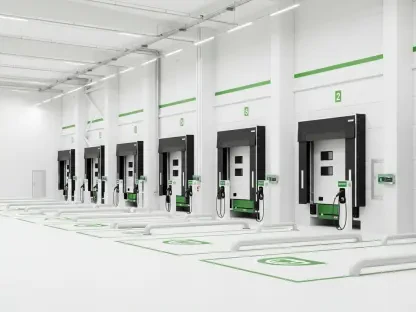

The modern global supply chain is no longer a linear sequence of events but a complex, high-velocity network where a single second of latency can ripple into millions of dollars in lost revenue. Traditional warehouse management has historically functioned as a digital island, often detached from the broader strategic goals of the enterprise. This disconnect creates friction between what a company plans to sell and what its floor-level operations can actually fulfill. The emergence of unified digital ecosystems is finally addressing this gap, transforming the warehouse from a cost center into a dynamic engine of competitive advantage.
Foundations of Modern Warehouse Management Systems
Warehouse Management Systems (WMS) have transitioned from simple inventory logging tools into sophisticated execution platforms. In the past, these systems were primarily concerned with recording where an item was placed on a shelf. Today, they serve as the central nervous system for fulfillment, governing everything from labor allocation to real-time stock replenishment. This shift is driven by the need for extreme precision in an era defined by rapid e-commerce demands and global volatility.
By integrating these tools into the broader technological landscape, organizations can finally eliminate the data silos that have long plagued logistics. This evolution allows for a smoother transition between corporate planning and operational reality. Instead of relying on batch updates or manual entries, modern systems provide a live view of the facility, ensuring that every movement is tracked, measured, and optimized for maximum efficiency.
Core Technological Pillars of Integrated WMS
Industrial AI and Warehouse Orchestration
Artificial intelligence in the warehouse goes beyond simple automation; it acts as an intelligent orchestrator of human and machine activity. By analyzing historical data and real-time order flows, industrial AI can predict surges in demand and proactively reorganize picking routes to minimize travel time. This level of orchestration ensures that high-priority orders are processed first without disrupting the overall flow of the facility, significantly boosting system throughput.
Unified ERP and WMS Architecture
The true power of a modern WMS lies in its structural integration with Enterprise Resource Planning (ERP) software. When these two layers share a single data model, the entire supply chain becomes transparent. This unified architecture allows a business to see exactly how a sale in one region impacts the labor requirements in a specific distribution center across the globe. It removes the need for complex middleware, reducing the risk of data corruption and ensuring that strategic decisions are based on the actual physical state of the inventory.
Robotics Interoperability and Automation
As warehouses adopt diverse fleets of autonomous mobile robots and automated storage systems, the ability of a WMS to interface with different hardware becomes critical. Modern platforms act as a universal translator, allowing various robotic systems to work together within a single workflow. This interoperability is essential for scalability, as it permits companies to introduce new automation technologies without having to overhaul their entire software infrastructure, facilitating high-speed execution in dense fulfillment environments.
Emerging Trends in Digital Fulfillment and Intelligence
The industry is currently witnessing a consolidation of specialist providers into comprehensive enterprise suites, such as the recent integration of Softeon into the IFS ecosystem. This trend reflects a move away from “best-of-breed” point solutions toward Tier-1 platforms that offer global scalability. Large enterprises now prioritize systems capable of managing millions of monthly transactions across dozens of countries, seeking a single source of truth for their global logistics operations.
Furthermore, the rise of “Industrial AI” is shifting the focus from descriptive analytics—telling managers what happened—to prescriptive intelligence, which tells the system what to do next. This move toward self-adjusting logic allows warehouses to adapt to labor shortages or transportation delays in real time. The focus has moved from merely managing a building to orchestrating a global network of intelligent fulfillment nodes.
Real-World Applications and Global Implementations
In sectors like consumer electronics and retail apparel, the implementation of advanced WMS has become a baseline requirement for survival. For instance, global logistics providers utilize these systems to manage high-mix, high-volume inventory where accuracy is non-negotiable. By bridging the gap between strategic forecasting and the warehouse floor, these companies can maintain thin margins while meeting aggressive delivery windows.
These implementations demonstrate that a well-integrated WMS is no longer just for the largest players. Even mid-sized enterprises are leveraging these tools to gain the same level of operational visibility as their larger competitors. By utilizing cloud-based deployments, companies can scale their digital infrastructure in lockstep with their physical growth, ensuring that their software never becomes a bottleneck for their expansion.
Operational Challenges and Adoption Barriers
Despite the clear benefits, migrating from legacy systems remains a formidable technical hurdle. Many organizations still rely on “homegrown” software or outdated versions that are difficult to connect with modern AI modules. The complexity of integrating diverse warehouse hardware—ranging from legacy conveyor belts to cutting-edge cobots—into a single software interface requires significant expertise and a well-defined digital roadmap.
To mitigate these challenges, leading software providers are establishing dedicated business units to support existing customers during transitions. This approach ensures that while a company upgrades its capabilities, its current operations remain stable. Ongoing development is also focused on “low-code” configurations, which allow warehouse managers to adjust workflows without needing a deep background in software engineering, lowering the barrier to entry for advanced optimization.
The Future of Autonomous Warehouse Ecosystems
The trajectory of WMS technology points toward a state of “limitless warehouse execution,” where the system is entirely self-optimizing. Future breakthroughs in predictive intelligence will likely allow warehouses to anticipate disruptions before they occur, automatically rerouting shipments or shifting labor before a bottleneck even forms. This level of autonomy will fundamentally redefine labor productivity, shifting human roles from manual tasks to high-level system oversight.
As these systems become more autonomous, they will also become more sustainable. By optimizing every pick path and maximizing trailer utilization through better packing logic, the “smart” warehouse will play a key role in reducing the carbon footprint of the global supply chain. This long-term impact on commerce will move beyond efficiency, making the logistics network more resilient and responsive to the needs of a changing world.
Synthesis and Strategic Assessment
The assessment of current warehouse management technology revealed a fundamental shift toward unified, AI-driven platforms that prioritize end-to-end visibility over isolated tasks. By merging the strategic planning of ERP with the tactical execution of WMS, enterprises successfully eliminated the data gaps that previously hindered global logistics. This integration proved that precision in the digital layer is the primary driver of speed in the physical layer, making software the most critical asset in the modern supply chain.
The transition toward autonomous, self-optimizing ecosystems established a new benchmark for industrial efficiency. Organizations that embraced these high-tier platforms gained the agility necessary to navigate volatile markets while maintaining high throughput. Ultimately, the evolution of WMS matured into a cornerstone of industrial strategy, providing the necessary foundation for a more resilient and data-backed global economy.