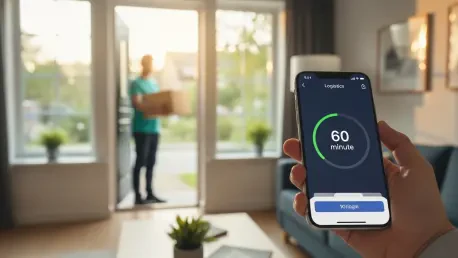

The traditional delay between clicking a digital buy button and hearing a doorbell ring is rapidly vanishing as the logistics landscape undergoes a radical transformation. For decades, the retail industry measured success in days, then hours, but a new threshold of sixty minutes has redefined the boundaries of consumer convenience. This leap into ultra-fast fulfillment represents a fundamental shift in how people perceive e-commerce, turning a smartphone into a real-time remote control for the physical world.
Redefining the Speed of Modern Commerce
Amazon is challenging the traditional boundaries of e-commerce by slashing delivery windows to just sixty minutes for a massive inventory of 90,000 items. This rollout moves the needle from hours to minutes, fundamentally changing how consumers interact with digital storefronts. It is no longer just about receiving a package; it is about the immediate utility of obtaining a forgotten dinner ingredient or a critical tech replacement without leaving the house.
This transition signals the end of the “wait-and-see” era of online shopping, where delivery was a planned event rather than an instant response. By integrating this speed into the daily lives of millions, the company has effectively turned its vast warehouse network into a local pantry and hardware store. The friction of traditional retail—commuting, parking, and searching aisles—is being replaced by high-efficiency digital ecosystems.
The Push Toward Ultra-Fast Fulfillment
The demand for instantaneous gratification has evolved from a luxury into a logistical necessity for busy households and professionals. As urban centers become more densely populated and schedules more fragmented, the ability to bypass a physical store trip provides tangible value. This expansion serves as a direct response to a society where time is the most precious commodity, and convenience is the primary currency.
Beyond mere speed, this movement addresses the psychological shift in buyer behavior where the “need it now” mentality dominates. Large retailers are no longer just competing on price or product variety; they are competing against the clock. Providing a sixty-minute window ensures that the digital experience matches the immediacy of a brick-and-mortar visit, securing a permanent place in the customer’s daily routine.
Logistics and Technology: Powering the 60-Minute Window
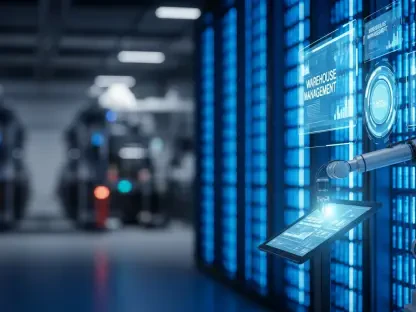
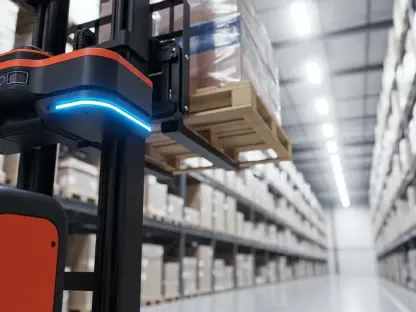
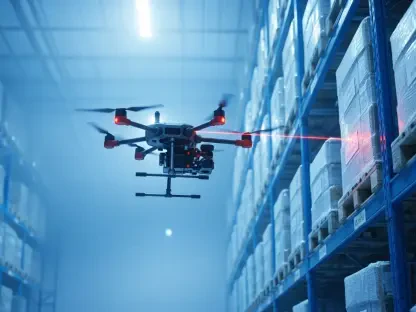
To achieve such rapid turnaround, Amazon utilizes AI-driven inventory placement to position high-demand goods in local fulfillment centers before an order is even placed. These predictive algorithms analyze local shopping trends to ensure that essentials are always within a few miles of the end user. This proactive approach minimizes the distance traveled, which is the most significant hurdle in the “last mile” of delivery.
The geographic reach of this initiative has already touched hundreds of cities, including major hubs like Chicago and Houston. This localized strategy is supported by a broader three-hour delivery network that spans 2,000 locations, creating a multi-tiered safety net for shoppers. By curating a selection of 90,000 products—ranging from groceries to electronics—the system prioritizes the items people actually need in an emergency.
User interface enhancements have also played a critical role in this rollout. The introduction of dedicated landing pages and specialized search filters helps shoppers identify eligible products instantly. This streamlined digital experience ensures that the time saved during delivery isn’t wasted during the search process, maintaining the high-velocity nature of the entire transaction.
Leadership Perspectives: The Prime Ecosystem
Udit Madan, Amazon’s Senior VP of Worldwide Operations, emphasized that this initiative was a vital evolution of the Prime membership. The goal was to maximize the value of the subscription by offering unmatched convenience that rivals any physical competitor. Analysts viewed this as both a defensive and offensive play, securing dominance against emerging delivery startups and traditional retailers who are struggling to match this infrastructure.
Furthermore, the ongoing testing of 30-minute delivery in pilot markets suggested that the current one-hour rollout was merely a stepping stone. This trajectory indicates a future where the distinction between “online” and “local” inventory disappears entirely. The company remained focused on aggressive fulfillment targets, proving that the logistics ceiling has not yet been reached.
Navigating the New Delivery Tier System
The pricing structure for this service includes a $9.99 fee for one-hour delivery and $4.99 for the three-hour window for Prime members. This allows consumers to decide when to opt for paid ultra-fast shipping versus standard free same-day delivery based on their specific needs. Non-members can also access the service, though they are subject to premium costs that reflect the high operational intensity of such speed.
To maximize efficiency, shoppers are encouraged to use new filters to group essential items into a single accelerated transit window. This strategy not only saves money but also optimizes the delivery routes for the drivers. As this system matures, the focus shifted toward refining the drone and autonomous vehicle integrations that will eventually lower these costs even further.
The successful implementation of this sixty-minute window provided a blueprint for the next phase of global trade. Retailers began focusing on micro-fulfillment centers located in the hearts of residential zones to shrink the gap between supply and demand. This shift forced competitors to rethink their supply chains, as the expectation for near-instant delivery became the new standard for the modern consumer.