
The Digital Nervous System of Global Trade: An Introduction
The sheer scale of modern global commerce has transformed logistics from a simple background operation into a high-stakes digital chess match where every move is monitored in real-time. This structural shift is underpinned by the rapid maturation of logistics visibility software, an essential infrastructure layer that functions as the digital nervous system for the global supply chain. These platforms are no longer just optional tools for high-volume shippers; they have become the central hub for aggregating data from transportation management systems, IoT sensors, and advanced telematics. By providing a unified view of assets whether they are sitting in a yard, crossing an ocean, or moving through a final-mile delivery route, these systems ensure that stakeholders operate from a single, unassailable version of the truth. As market volatility becomes a permanent fixture of international trade, the ability to maintain this level of clarity is moving from a tactical advantage to a core requirement for survival.
The trajectory of this market is remarkably aggressive, with projections indicating a rise to a valuation of $2.5 billion by 2035. This growth is not merely a byproduct of increased shipping volumes, but rather a reflection of a deeper technological integration within the enterprise. Organizations are increasingly recognizing that visibility is the prerequisite for all other optimizations, including labor management, inventory reduction, and carbon footprint tracking. In the coming decade, the focus will shift from simply knowing the location of a shipment to understanding the implications of its status in the context of the broader business strategy. This introduction to the market explores how these digital foundations are being laid today to support a more resilient and transparent global economy.
From Silos to Transparency: The Evolution of Supply Chain Monitoring
Historically, the movement of goods was a process defined by significant information gaps, often referred to in the industry as “black holes.” During these periods, cargo status was essentially invisible to the shipper once it left the port or the warehouse, leaving logistics managers to rely on manual check calls, fragmented spreadsheets, and reactive problem-solving. This lack of transparency created a cascading effect of inefficiency, where a single delay at a border crossing could disrupt production schedules thousands of miles away without any prior warning. The transition away from this fragmented model began with the early adoption of cloud computing and the gradual expansion of mobile connectivity, which provided the first reliable channels for real-time data exchange between carriers and shippers.
These early technological steps were eventually catalyzed by a series of global disruptions that laid bare the inherent fragility of lean, just-in-time supply chain models. The realization that efficiency without visibility is a liability forced a structural correction across the industry. Companies began to prioritize the elimination of information silos that had previously prevented different departments from coordinating their efforts. Understanding this historical progression is critical for analyzing the current market, as it demonstrates that the surge in software adoption is a long-term response to systemic vulnerabilities. Today, the industry has moved beyond basic tracking into a period of sophisticated data orchestration, where the goal is to create a seamless flow of information that matches the physical flow of goods.
The Drivers of Growth and Market Fragmentation
The E-Commerce Effect and Rising Consumer Demands
The meteoric rise of e-commerce serves as the primary engine driving the expansion of the logistics visibility market. In the current landscape, the “Amazon effect” has transcended the consumer world to influence B2B expectations, making precise, minute-by-minute tracking a non-negotiable standard. Customers now demand high-fidelity estimated times of arrival and immediate notification of any potential deviations. This shift has placed immense pressure on retailers and third-party logistics providers to move away from traditional tracking and toward automated exception management. By utilizing visibility software to detect port congestion or weather-related delays as they happen, companies can proactively manage customer expectations, preserving brand integrity even when external factors disrupt the delivery schedule.
Furthermore, the rise of e-commerce has necessitated a more granular approach to the final mile, which is often the most complex and expensive segment of the journey. Software that offers deep visibility into local courier networks and urban delivery routes allows businesses to optimize their routes in real-time, reducing fuel consumption and improving delivery success rates. This demand for transparency is not limited to the status of the package itself but extends to the ethics and environmental impact of the delivery process. Consequently, visibility platforms are increasingly being used to track and report on sustainability metrics, fulfilling a growing consumer desire for responsible and transparent supply chain practices.
Regional Economic Powerhouses and North American Dominance
Geographically, the logistics visibility software market is defined by a heavy concentration of revenue and innovation in North America, which currently holds over 37% of the global market share. This dominance is supported by a mature digital infrastructure and a dense network of tech-forward retailers and manufacturers who were among the earliest adopters of cloud-based logistics solutions. The United States continues to serve as the primary hub for development, benefiting from a high concentration of venture capital and a robust ecosystem of software providers. This localized expertise allows for rapid iteration and the deployment of cutting-edge features that eventually set the standard for the rest of the global market.
However, while North America leads in current revenue, the Asia Pacific region represents the most significant frontier for future growth. The massive manufacturing output of China and the explosive growth of domestic e-commerce in India are creating a desperate need for sophisticated logistical oversight. As these economies continue to modernize their internal infrastructure, the adoption of visibility software is expected to accelerate, driven by the need to manage increasingly complex cross-border trade routes. This regional shift suggests that while the initial innovations may stem from North American hubs, the long-term scale of the market will be determined by how effectively these solutions can be adapted to the diverse and rapidly evolving logistical landscapes of Asian markets.
Addressing the Visibility Gap in Warehousing and Inventory
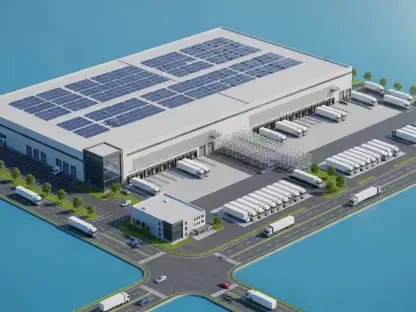
Despite the significant progress made in tracking goods while they are in transit, a persistent “visibility gap” continues to plague the internal operations of many organizations. Data indicates that while a vast majority of enterprises have a firm grasp on the location of delivered goods, less than half have comprehensive, real-time visibility into their own warehouse inventory. This disparity creates a bottleneck where the efficiency gained during the transportation phase is lost once the goods enter a storage facility. The inability to track inventory with precision leads to increased dwell times, inefficient labor allocation, and the risk of stockouts or overstocking, all of which represent significant hidden costs for the business.
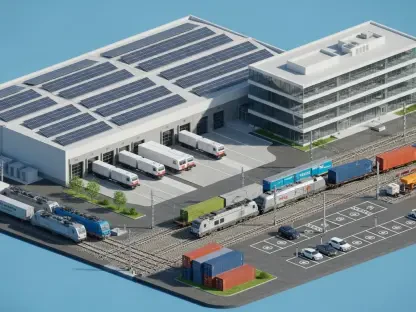
To combat this, there is a growing trend toward the integration of “yard visibility” and “warehouse visibility” within a single software platform. This holistic approach ensures that there is a seamless handoff of data as goods move from the truck to the shelf and back again. By closing this gap, companies can achieve a state of total end-to-end transparency that allows for much more accurate forecasting and resource planning. This integration is becoming a major focus for software vendors, who are developing tools that bridge the divide between transportation management and warehouse management systems, effectively turning the entire supply chain into a single, visible entity.
Emerging Technologies: AI, Digital Twins, and Predictive Analytics
The technological frontier of the logistics visibility market is currently shifting from descriptive tools that explain what is happening to prescriptive engines that dictate what should be done. Artificial Intelligence and Machine Learning have evolved from peripheral features into the central processing units of modern visibility platforms. One of the most significant developments in this area is the rise of “Edge AI,” which processes data locally at the source—such as on a vehicle or inside a warehouse—to provide instantaneous insights. This capability allows for immediate route adjustments and inventory updates without the latency associated with cloud-only processing, which is vital for time-sensitive operations.
In addition to AI, the concept of the “Digital Twin” is revolutionizing how logistics professionals approach risk management. By creating a high-fidelity virtual replica of the entire physical supply chain, organizations can run complex simulations to stress-test their networks against potential disruptions, such as labor strikes or natural disasters. These digital models allow companies to identify vulnerabilities before they manifest in the real world, enabling the development of robust contingency plans. This transition toward predictive and prescriptive analytics suggests a future where software doesn’t merely alert a manager to a delay, but identifies the problem days in advance and automatically initiates a rerouting strategy to maintain the original delivery window.
Strategic Frameworks for Implementing Visibility Solutions
For enterprises aiming to thrive in this data-rich environment, the implementation of visibility software must be guided by a clear and integrated strategic roadmap. The first pillar of this strategy is the pursuit of multimodal expansion. It is no longer sufficient to have visibility into road freight alone; a modern platform must provide a seamless view across sea, air, rail, and road to prevent the formation of new data silos. When a company can track a container from a factory in Asia through a domestic rail network and onto a local delivery van within a single interface, it gains a massive advantage in operational agility and customer service.
The second critical pillar is the deep integration of visibility data with existing Enterprise Resource Planning and financial systems. Visibility data is most powerful when it is tied directly to the bottom line, allowing for real-time analysis of how logistics performance impacts cash flow and profitability. Finally, the success of these platforms depends on the democratization of data across the entire organization. When real-time logistics insights are shared with the sales, finance, and customer service departments, the entire company can pivot more quickly in response to market changes. This collaborative approach ensures that the investment in visibility software yields dividends across every facet of the business, transforming logistics from a cost center into a strategic engine for growth.
Looking Ahead: The Strategic Necessity of Transparency
The evolution of the logistics visibility software market has demonstrated that the era of operating in the dark reached its definitive end. As the market climbed toward its multi-billion-dollar valuation, the industry collectively moved away from the reactive paradigms that once defined global trade. Enterprises across the spectrum prioritized the acquisition of high-fidelity data, recognizing that transparency was the only viable defense against the inherent volatility of the global economy. This journey from fragmented tracking systems to AI-driven, predictive ecosystems reflected a fundamental change in how businesses perceived their own supply chains. The transition was marked by a commitment to breaking down internal silos and embracing a model where data flowed as freely as the products themselves.
The strategic insights gained from this period highlighted several critical actions that secured long-term resilience. Organizations that successfully integrated their visibility platforms with financial and warehouse systems achieved a level of operational harmony that was previously impossible. They utilized digital twins to simulate disruptions, which allowed them to navigate complex geopolitical and environmental challenges with unprecedented confidence. Moreover, the democratization of data ensured that every department, from sales to finance, could make decisions based on the most current logistical realities. Ultimately, the rise of this market proved that visibility was not just a technical requirement, but the essential framework for the future of commerce, ensuring that transparency remained the primary determinant of success in an increasingly complex world.