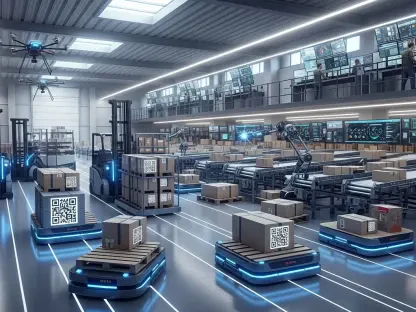

The intricate and high-velocity nature of modern global trade has created a landscape where the seamless flow of goods is paradoxically matched by an ever-present and growing vulnerability to widespread disruption. As supply chains have transformed into highly interconnected, high-density networks reliant on larger vessels, concentrated cargo volumes, and increasingly complex transport routes, they have also become more susceptible to cascading failures. This heightened complexity directly correlates with increased exposure to a wide array of risks, meaning a single operational failure, environmental hazard, or systemic bottleneck can trigger a chain reaction of costly delays and financial losses that reverberate across continents. Consequently, routine logistical processes—from the loading and unloading of cargo to the transfer of equipment between different modes of transport—now demand tighter coordination among a greater number of operators, amplifying the potential for incidents at every juncture and making proactive, comprehensive risk management an indispensable component of successful international commerce.
Identifying the Modern-Day Perils of Global Shipping
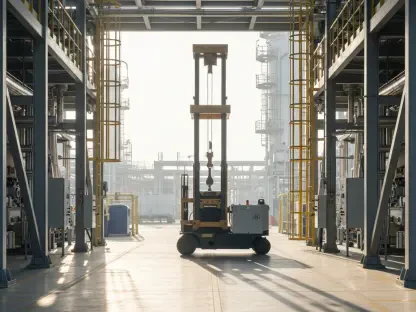
Operational disruptions stand as one of the most persistent and widespread challenges across the global transport system, with machinery failures representing a frequent and highly impactful category of incidents. A critical malfunction on a container ship at sea, a breakdown of a crane at a busy port, or an equipment failure at a rail terminal can halt the movement of thousands of containers, creating immediate backlogs and significant downstream delays. Alongside these mechanical issues, fire-related events pose a severe and recurring hazard. A fire aboard a vessel or within a storage warehouse can result in catastrophic losses, destroying not only valuable cargo but also essential infrastructure. The risk is compounded by the increasing density of modern logistics hubs. At major ports and inland distribution centers, container yards, truck gates, and rail interchanges are under immense pressure to manage ever-growing cargo volumes, which elevates the likelihood of handling errors, collisions, and other accidents that can cause both damage and crippling congestion.
Beyond mechanical and operational faults, the logistics industry is increasingly contending with the profound impact of environmental and external threats. Weather-related challenges, for instance, are no longer confined to disrupting specific ocean routes but now frequently affect the operational capacity of entire regions. Severe storms can shut down ports for days, while extreme heat or cold can compromise sensitive cargo and disrupt overland transport schedules, creating a cascading effect of delays that strains the entire supply chain. This pressure is particularly acute at high-volume distribution hubs, which are often ill-equipped to handle prolonged interruptions. Furthermore, the complexity of multi-modal transit provides more opportunities for theft and malicious damage, especially as cargo is transferred between different carriers and storage facilities. These external risks, which operate outside the direct control of any single logistics provider, underscore the need for a protective framework that can absorb shocks originating from a wide variety of unpredictable sources.
The Role of Insurance as a Stabilizing Force
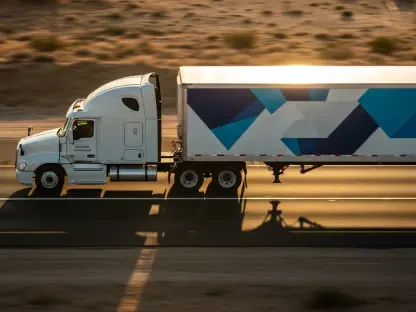
In this high-risk environment, logistics insurance emerges as an essential stabilizing mechanism, providing a critical financial backstop that allows commerce to continue in the face of adversity. It is a form of financial protection meticulously designed to shield companies from the severe economic consequences of unexpected incidents that occur at any point during transportation, handling, or storage. The scope of this coverage is intentionally broad, encompassing a wide range of potential perils, including but not limited to collisions at sea, vehicle overturning on land, impact damage sustained during loading or unloading, equipment malfunctions, fire, theft, and losses resulting from natural disasters. The fundamental purpose of this insurance is to foster business continuity. By covering the significant operational and financial costs that arise from damage, loss, or extended delays caused by a covered event, it empowers companies to maintain their operations with minimal disruption, protect their balance sheets, and uphold their commitments to customers.
The stabilizing influence of logistics insurance extends far beyond the individual policyholder to fortify the entire supply chain ecosystem. When the financial impact of an accident, cargo damage, or a storage issue is absorbed by an insurance policy rather than being passed downstream to other commercial partners, the entire chain is protected from a potential domino effect of financial distress and operational paralysis. This function is increasingly vital as persistent risks like machinery failures and weather-driven events become regular features of global logistics. It is important to note the carefully delineated boundaries of these policies, which generally exclude losses stemming from acts of war, standard shipment delays not caused by a covered peril, and market-driven price fluctuations. This clarity is crucial, as it enables companies to manage risk proactively and to clearly assign responsibilities among carriers, warehouse operators, and other partners, thereby fostering a more transparent, predictable, and reliable logistics network for all stakeholders involved.
A Multi-Layered Strategy for Comprehensive Protection
Recognizing that modern supply chains involve numerous handovers and diverse transport modes, a single, one-size-fits-all insurance product is insufficient to cover the full spectrum of potential risks. Instead, a coordinated and comprehensive framework composed of multiple, interlocking policy types is required to ensure seamless protection from origin to destination. The foundational layer of this strategy is Cargo Insurance, which is specifically designed to protect the goods themselves while they are in transit. This policy covers physical loss or damage to shipments as they move by sea, air, rail, or truck, extending its protection across the most critical stages of the journey, including vessel loading, container transfers, port handling, and inland transport. An industry standard is to insure goods at their invoice value plus an additional 10% to cover associated costs, and modern all-risk clauses offer broad protection against the diverse incidents that can occur during movement. Complementing this is Package Insurance, which addresses the unique risks associated with warehouse storage, covering inventory while it awaits export, inland transport, or final delivery and protecting it from perils like fire, flooding, or physical damage to the facility.
The strategic application of these policies was solidified by the integration of a third, indispensable layer: Liability Insurance. This coverage became the crucial component for protecting companies from claims made by third parties for damages related to their logistics operations, which could involve environmental contamination from a spill, property loss, or personal injury. Since liability exposure could arise at any point in the supply chain—at sea, within port terminals, or during domestic transport—this insurance proved vital for absorbing potentially significant legal and financial responsibilities. This comprehensive, three-pronged approach represented a strategic evolution in risk management. The proactive framework that combined cargo, package, and liability insurance was established to shield shipments and operations from the multitude of unexpected events that could derail delivery schedules or compromise partner commitments. In an era of rising volatility, this structured insurance framework was ultimately understood not as a mere defensive measure but as a proactive, foundational tool that reinforced a company’s ability to deliver reliable supply chain performance.