
The sudden and prolonged closure of the Strait of Hormuz has sent a shockwave through the international community, fundamentally altering the fragile balance of global energy markets and manufacturing logistics almost overnight. As the world’s most critical maritime chokepoint, this narrow waterway typically facilitates the passage of approximately 30 percent of all seaborne-traded crude oil and nearly 20 percent of liquefied natural gas shipments. The current paralysis of these routes has triggered an immediate and volatile reaction in commodity pricing, with crude oil costs surging by a staggering 47 percent. Beyond energy, the industrial sector is reeling from a 24 percent spike in polypropylene prices and a 10 percent increase in aluminum costs, forcing a dramatic reassessment of operational feasibility. For global manufacturers, this is no longer a temporary logistical hurdle but a transformative crisis that demands a complete overhaul of how goods are sourced, produced, and transported across continents.
Escalating Pressure on Industrial Production: The Cost of Component Scarcity
Manufacturing sectors that rely heavily on complex, international delivery schedules are finding their production lines increasingly untenable as the cost of raw materials reaches record highs. The automotive and electronics industries, in particular, are facing a double-edged sword of rising energy costs and a critical shortage of essential petrochemicals used in everything from interior plastics to circuit board housing. While many large-scale corporations initially attempted to absorb these price hikes to protect market share, the sheer magnitude of the 24 percent jump in polypropylene has made such a strategy impossible to maintain. Consequently, these increased costs are being passed directly to consumers, resulting in significantly higher prices for household goods, medical equipment, and consumer technology. This inflationary pressure is further compounded by the reality that these components are now stuck in transit or subject to massive freight surcharges as vessels are rerouted.
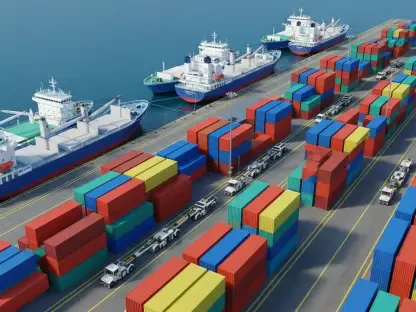
Building on the industrial fallout, the disruption has severely hampered the efficiency of global logistics hubs, leading to unprecedented delays in the delivery of finished goods. Freight rates have climbed to levels not seen in years, driven by a combination of longer transit times around the Cape of Good Hope and a sharp increase in jet fuel prices for those attempting to bypass the sea blockade via air cargo. In the United States, the direct impact on the average citizen is perhaps most visible at the pump, where gasoline prices have surged to nearly $4 per gallon, further squeezing disposable income and slowing economic growth. This environment of scarcity and high overhead is forcing industrial leaders to recognize that the era of cheap, easily accessible materials is ending. To survive, firms are now prioritizing the localization of production and the diversification of their petrochemical suppliers to avoid the catastrophic bottlenecks currently plaguing the Middle Eastern trade routes.
Implementing Resilience: Strategies for a Post-Crisis Logistics Environment
The persistent instability in the region has forced a strategic pivot away from the traditional just-in-time inventory model toward a more robust, “just-in-case” approach. Industry experts and analysts from firms like Roland Berger have noted that the most resilient companies are those that moved quickly to secure critical inputs through pre-booked container capacity and increased inventory buffers. Rather than waiting for a return to normalcy, forward-thinking organizations are now actively mapping their entire supply networks to identify hidden vulnerabilities in their tier-two and tier-three suppliers. This proactive stance involves establishing long-term contracts with producers in more stable regions and investing in digital twin technologies to simulate various disruption scenarios. By moving away from a reliance on a single geographic chokepoint, these companies are building a level of operational flexibility that can withstand the unpredictable nature of modern geopolitical conflicts.
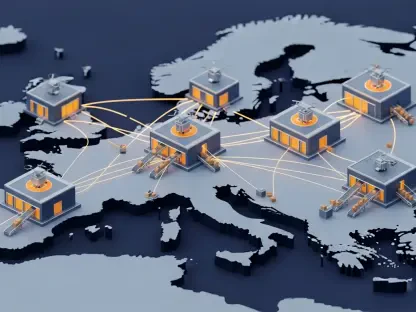
Furthermore, the crisis has highlighted a significant geopolitical divide in how different nations manage their trade security and essential resource acquisition. While major economies like China and India have utilized their specific diplomatic ties to maintain a more consistent flow of goods through the Strait, many Western nations have been forced to grapple with the potential for sudden export controls on critical materials. This discrepancy is driving a trend toward regionalized supply chains, where trade blocs are formed based on political alignment as much as economic efficiency. As companies navigate this complex landscape, the focus has shifted toward securing “friend-shored” or “near-shored” alternatives for essential components like aluminum and specialized chemicals. The ultimate goal is to create a supply chain that is less susceptible to localized conflicts, ensuring that a disruption in the Middle East does not lead to a total standstill of manufacturing plants in North America or Europe.
Structural Realignment and the Future of Maritime Trade
The global manufacturing sector reached a definitive crossroads as the prolonged closure necessitated a total reassessment of international trade routes and cost structures. In the period following the initial shock, firms that successfully diversified their supplier bases and invested in logistical redundancy found themselves in a much stronger position to manage sustained operational costs. The transition from a state of emergency to a long-term strategic adjustment demonstrated that the interconnectedness of modern trade requires a more sophisticated approach to risk management than previously understood. Successful organizations abandoned the hope for a quick resolution and instead integrated geopolitical risk directly into their financial forecasting and procurement strategies. This fundamental shift allowed for more predictable budgeting even in the face of rising freight rates and energy volatility, proving that resilience has become the most valuable currency in the modern industrial landscape.
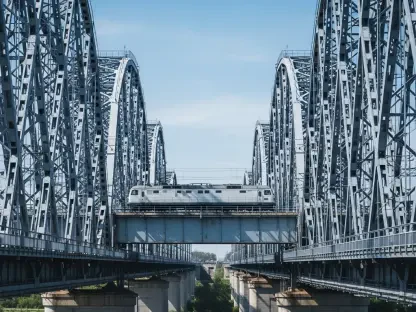
To maintain stability moving forward, organizations must prioritize the adoption of advanced predictive analytics to anticipate future disruptions before they manifest in the physical supply chain. The lessons learned during this crisis emphasize that transparency across the entire value chain is no longer an optional luxury but a survival requirement for any firm operating on a global scale. Leaders should focus on developing alternative transport corridors, including a greater emphasis on rail and expanded air freight capacity, to reduce the singular dependency on vulnerable maritime passages. Additionally, fostering deeper collaborations with local suppliers can mitigate the risks associated with long-distance shipping and regional instability. By institutionalizing these strategies, the global economy can build a more durable framework that is capable of absorbing future shocks while maintaining the productivity and growth essential for long-term prosperity in an increasingly unpredictable world.