
Imagine a city on the cusp of transformation, where a once-forgotten rail line sparks a new era of prosperity by connecting vast industrial lands to global markets. This is the reality unfolding in Albuquerque, New Mexico, where the reactivation of a rail spur at the International Sunport is paving the way for unprecedented economic growth. Rail infrastructure, often seen as a relic of industrial pasts, is emerging as a vital engine for modern economies, linking logistics, industry, and innovation. This trend, exemplified by Albuquerque’s bold initiative, underscores a broader shift toward multimodal transportation hubs as catalysts for regional development. The focus here is on dissecting this growing movement, diving into specific projects, historical contexts, expert insights, and future possibilities that could reshape urban landscapes.
The Revival of Rail Infrastructure: A Case Study in Albuquerque
Current Progress and Economic Impacts
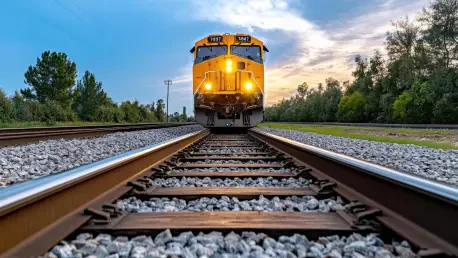
In Albuquerque, a significant step forward is underway with the rehabilitation of a 4-mile rail spur at the International Sunport. New Mexico Transloading LLC (NMT) has invested $1.4 million to restore the initial 1.5 miles of track, with operations slated to begin in early 2026. This investment isn’t just about iron and steel; it’s a gateway to new revenue for the Sunport through per-car fees, creating a steady stream of income for the airport’s enterprise fund. The project mirrors a national surge in rail infrastructure investments, as regions across the U.S. recognize the economic potential of revitalizing these corridors, according to recent reports from industry analysts.
Beyond local impacts, this effort taps into a larger narrative of economic revitalization through connectivity. The rail spur, snaking around I-25 and through Sunport property, is poised to unlock nearly 1,000 acres of undeveloped land for industrial and logistical use. Such projects highlight how strategic infrastructure can breathe life into dormant spaces, turning them into hubs of activity. This initial phase alone promises to enhance railcar storage and handling, laying a foundation for broader economic benefits that could ripple through the state.
Strategic Applications and Broader Benefits
Delving deeper into the practical side, the rail spur’s design supports ambitious goals for industrial growth. By looping through key areas near the Sunport, it facilitates access to vast tracts of land earmarked for diverse sectors like research, applied sciences, and media production. The vision is clear: transform the airport into more than just a travel hub, making it a nexus for innovation and commerce. This strategic positioning could attract businesses looking for seamless logistics solutions, enhancing Albuquerque’s appeal on a national scale.
Moreover, the public-private partnership with NMT exemplifies how collaboration can drive tangible outcomes. This alliance not only boosts operational capacity but also ensures shared benefits, from increased railcar handling to fostering new industrial opportunities. Such models of cooperation are becoming a blueprint for other cities aiming to leverage infrastructure for growth. The synergy between public goals and private investment here offers a compelling case for how targeted projects can yield outsized economic returns.
Expert Insights on Rail as an Economic Driver
Turning to the voices shaping this trend, key stakeholders in Albuquerque paint an optimistic picture of rail’s transformative power. Max Gruner, City of Albuquerque’s Economic Development Director, argues that integrating rail with air and foreign trade zone benefits creates a unique magnet for business investment. His perspective highlights how such projects can bolster job creation and regional competitiveness, positioning the city as a leader in modern logistics.
Similarly, Manny Manriquez, Acting Director of Aviation, emphasizes the unparalleled advantages of the Sunport’s location and infrastructure. He notes that no other site in New Mexico combines proximity to airfield operations with rail access, a factor that could redefine industrial development in the region. Adding to this, Brian Connell from NMT points out the mutual benefits of their partnership, stressing enhanced shipping capabilities for both local and international markets. However, challenges like funding the remaining 2.5 miles of track persist, requiring ongoing collaboration to overcome financial and logistical hurdles. Despite these obstacles, the consensus remains: rail infrastructure holds immense potential to catalyze growth.
Future Prospects of Rail Infrastructure Expansion
Looking ahead, the next phases of the Sunport rail spur project promise even greater impact, with plans to rehabilitate the remaining 2.5 miles by late 2026. This expansion could significantly boost interstate and international shipping capacities, cementing Albuquerque’s status as a logistics hub. The potential to connect rail with air and trade zones hints at a future where multimodal hubs become the norm, streamlining commerce and attracting diverse industries to the region.
Nevertheless, hurdles such as securing additional funding and navigating regulatory complexities loom large. Addressing these will be crucial for sustaining momentum and ensuring long-term success. Beyond Albuquerque, this trend of rail revival could inspire other regions to adopt similar strategies, promoting sustainable urban growth and industrial diversification. The broader implication is a shift toward integrated transportation systems, where rail plays a central role in balancing economic needs with environmental considerations, potentially setting a precedent for cities nationwide.
Final Reflections on Rail as a Growth Mechanism
Reflecting on this journey, the reactivation of Albuquerque’s rail spur stood as a testament to the power of strategic infrastructure investment. It bridged historical significance with modern economic demands, turning a dormant line into a vibrant conduit for growth. Experts and stakeholders alike championed its role in job creation and business attraction, while acknowledging the challenges that tested their resolve.
Moving forward, the path was paved for policymakers and communities to prioritize such projects, recognizing rail as a cornerstone of economic vitality. Exploring innovative funding models and fostering public-private partnerships emerged as critical steps to replicate this success elsewhere. As Albuquerque’s experience demonstrated, investing in rail infrastructure offered not just immediate gains but a legacy of prosperity for generations to come, urging a collective push toward transformative urban development.