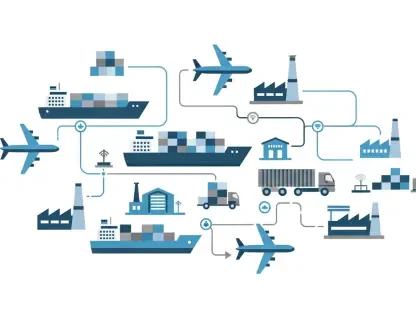

As the economic heartbeat of Africa quickens with the promise of free trade, the skies above the continent are becoming the new superhighways for commerce, moving goods faster and more efficiently than ever before. With the African Continental Free Trade Area (AfCFTA) steadily reshaping commerce, air freight is emerging as the critical artery for connecting the continent’s burgeoning economies. This analysis explores the accelerating trend of intra-African air cargo, examining its primary growth drivers, spotlighting key industry players making strategic moves, and charting its future trajectory. The focus is on market dynamics, strategic expansions, and the forward-looking perspective of opportunities and challenges ahead.
The Evolving Landscape of African Air Cargo
Market Growth and Key Drivers
Recent data from the International Air Transport Association (IATA) signals a consistent and robust rise in intra-African air cargo volumes, with growth rates that are notably outpacing those in many other global regions. This upward trend is not coincidental but is largely propelled by structural economic shifts across the continent. The primary catalyst is the implementation of the AfCFTA, a landmark agreement designed to dismantle tariffs and non-tariff barriers, which in turn stimulates demand for more rapid and reliable logistics solutions to move goods between member states.
Beyond policy, evolving consumer behavior is a significant force. A surge in e-commerce, driven by a young, digitally native population and growing middle-class markets, has created an urgent need for the rapid transport of high-value consumer goods. Furthermore, the increased trade in time-sensitive perishables, such as horticulture from East Africa and seafood from the West African coast, alongside a growing pharmaceutical sector requiring sophisticated cold-chain logistics, further cements the indispensable role of dedicated air freight services.
Strategic Network Expansions in Action
A prime example of this trend materializing is Royal Air Maroc Cargo’s recent launch of a new, dedicated weekly freighter service between Casablanca, Morocco (CMN), and Dakar, Senegal (DSS). This strategic route directly addresses burgeoning customer demand for reliable transport between the key economic regions of North and West Africa, facilitating trade and supporting Senegal’s expanding economy.
The initiative leverages a Boeing 767 freighter with a substantial 45-ton capacity, ensuring that high volumes of goods can be moved efficiently. This development is not an isolated move but part of Royal Air Maroc Cargo’s broader strategy to bolster Africa’s logistics ecosystem. It thoughtfully expands the airline’s existing freighter network, which already connects crucial hubs like Bamako and Ouagadougou. The expansion is underpinned by formidable infrastructure, including Casablanca’s state-of-the-art cargo hub, which boasts a 200,000-ton annual capacity and specialized facilities for handling sensitive cargo.
Industry Perspectives on a Connected Continent
Logistics experts consistently emphasize that the development of direct, intra-African routes is fundamental to the continent’s economic sovereignty. For decades, African trade has been fragmented by a reliance on out-of-continent hubs in Europe or the Middle East, a system that adds unnecessary time, cost, and complexity. Establishing direct air corridors is seen as the most effective way to stitch the continent’s markets together, reducing transit times and fostering true regional integration.
From the airlines’ perspective, cargo has proven to be a resilient and strategic revenue stream, particularly as passenger traffic continues its recovery. This stability has prompted a clear shift in investment priorities toward dedicated freighter services and fleet modernization. While the optimism is palpable, thought leaders also caution that significant challenges remain. High operational costs, inconsistent customs procedures across borders, and critical infrastructure gaps at smaller airports can create persistent bottlenecks, hindering the seamless flow of goods through the supply chain.
The Future Trajectory of Intra-African Air Freight
The next five to ten years will likely witness a proliferation of new point-to-point cargo routes, bypassing traditional hubs and forging more direct, efficient trade corridors between African cities. This network densification is a natural evolution, enabling businesses to connect with new markets more directly and reliably. This growth, however, must be supported by technological advancement. The widespread integration of digital tools, including electronic cargo manifests and advanced real-time tracking systems, will be crucial for enhancing efficiency, transparency, and security across the supply chain.
A key challenge on the horizon is sustainability. As air cargo volumes grow, so will the industry’s environmental footprint. Airlines will face mounting pressure from regulators and consumers to invest in more fuel-efficient aircraft and actively explore the use of sustainable aviation fuels (SAFs). Successfully navigating this transition will have profound implications far beyond logistics, directly impacting the competitiveness of Africa’s manufacturing, agriculture, and healthcare sectors by enabling them to integrate more deeply into regional and global value chains.
Conclusion: Air Cargo as the Engine of African Integration
The accelerating trend of expanding intra-African air freight, powerfully exemplified by the strategic network enhancements from carriers like Royal Air Maroc, is a clear and compelling indicator of the continent’s economic momentum. It reflects a decisive shift toward greater self-reliance and regional cohesion, turning the vision of a unified market into a logistical reality.
While significant hurdles related to infrastructure, regulation, and operational costs persist, the commitment from both public and private sectors to enhance connectivity is undeniable and gaining strength. Moving forward, sustained and deepened collaboration between governments, airlines, and logistics providers is paramount. This partnership is essential to unlock the full, transformative potential of a seamlessly connected African market, with air cargo firmly established as its vital circulatory system.