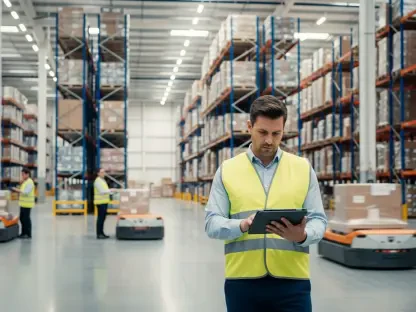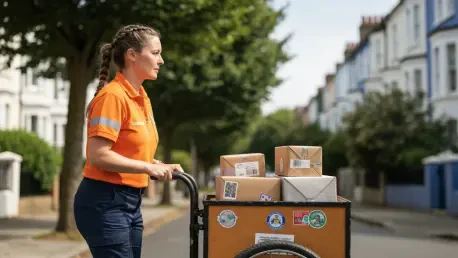

What does it mean when the click of a button for next-day delivery sets off a chain reaction of danger on New York City streets? In 2025, the city is grappling with an e-commerce explosion that delivers convenience to millions but leaves a trail of chaos in its wake. Picture this: delivery trucks clogging narrow streets, air thick with exhaust, and workers racing against impossible deadlines. This isn’t just about packages piling up at doorsteps—it’s about a hidden crisis of crashes, pollution, and inequality tearing at the fabric of urban life.
The importance of this story can’t be overstated. With daily package deliveries soaring from 1.8 million a few years ago to 2.5 million now, one in three New Yorkers receives a shipment every single day. This boom, while a testament to technological and economic progress, has unleashed unintended consequences that disproportionately harm the most vulnerable. From skyrocketing accidents near delivery hubs to toxic air in marginalized neighborhoods, the stakes are high. This narrative uncovers the human and environmental toll behind the rush for speed, urging a closer look at a system teetering on the edge.
The E-Commerce Wave Reshaping Urban Life
Behind the seamless tap-and-deliver experience lies a seismic shift in how New Yorkers live. The surge in online shopping has redefined consumption patterns, pushing the city’s logistics to a breaking point. Delivery vans and trucks have become a constant presence, weaving through traffic at all hours to meet consumer demand for faster shipping. This relentless pace, driven by corporate giants, shows no signs of slowing down, with volumes projected to climb even higher in the coming years.
Yet, this transformation extends beyond mere numbers. The strain on urban infrastructure is palpable—roads crumble under heavy loads, and public spaces shrink as warehouses multiply. Neighborhoods once defined by community now hum with the roar of engines, raising urgent questions about sustainability. The push for efficiency has outpaced the city’s ability to adapt, leaving residents and policymakers scrambling to address a growing mismatch between innovation and livability.
Crashes and Chaos: The Safety Fallout
Near last-mile delivery hubs, the streets have turned into danger zones. Injury crashes within a half-mile radius of these facilities have jumped by 16%, while truck-related collisions have surged by a staggering 146%. In areas like Maspeth, Queens, where major facilities for companies such as FedEx and Amazon operate, crashes have spiked over 50%. These aren’t just statistics—they’re a stark reminder of how the delivery surge endangers pedestrians and drivers alike.
The congestion caused by delivery fleets plays a central role in this safety crisis. Narrow streets, double-parked vans, and rushed drivers create a volatile mix, especially during peak hours. Residents in affected areas describe a constant sense of unease, with near-misses becoming a daily norm. Without stricter traffic management or zoning rules, these high-risk zones threaten to become even deadlier as delivery demands grow.
Pollution’s Unequal Burden on Communities
The environmental toll of this boom hits hardest in neighborhoods already bearing the brunt of systemic inequities. A staggering 68% of last-mile warehouses sit in designated Environmental Justice areas, often in predominantly Black and Latino communities like Red Hook and Hunts Point. The constant stream of diesel trucks intensifies air pollution, worsening health conditions such as asthma in places least equipped to fight back.
This disparity isn’t accidental—it reflects decades of zoning decisions that concentrate industrial burdens in marginalized areas. Families in these neighborhoods breathe in exhaust while wealthier enclaves remain largely untouched by the fallout. The delivery surge has amplified these injustices, turning convenience for some into a health hazard for others, and exposing a deep-rooted imbalance in how urban growth is managed.
Workers Caught in the Crossfire
Behind the rapid delivery promises are workers facing grueling and often dangerous conditions. Between 2025 and the prior three years, over 2,000 injuries were recorded across 38 of 50 delivery facilities in NYC, averaging 678 annually—more than triple the national rate. Models like Amazon’s Delivery Service Partner program have drawn sharp criticism for even higher injury rates and a structure that critics say dodges accountability.
These numbers reveal a human cost hidden from public view. Stories abound of workers pushing through pain to meet quotas, with little access to adequate safety training or support. The pressure to deliver faster, often under subcontracted arrangements, leaves little room for rest or recovery. This cycle of exploitation underscores a harsh reality: the speed consumers crave comes at the expense of those on the front lines.
Voices Demanding Change
The urgency of this crisis echoes through the words of advocates and affected communities. Comptroller Brad Lander, in a hard-hitting report on delivery impacts, has warned that unchecked operations threaten street safety, environmental health, and workers’ rights. “Regulation can’t wait,” Lander insists, pointing to the need for immediate oversight to curb corporate overreach and protect vulnerable populations.
Similarly, Tom Gesualdi of Teamsters Joint Council 16 has lambasted giants like Amazon for sidestepping responsibility through subcontracting loopholes. Meanwhile, residents near delivery hubs share raw accounts of disrupted lives—children unable to play outside due to traffic, and workers returning home injured from brutal shifts. These voices, paired with hard data, paint a compelling picture of a system in dire need of reform, amplifying the call for accountability at every level.
Charting a Path to Equity and Safety
Looking back, the struggle to balance the delivery boom with public well-being revealed a city at a crossroads. Solutions emerged as a beacon of hope, with proposals like the Delivery Protection Act aiming to enforce safer working conditions. Stricter emission standards for warehouses and expanded clean truck initiatives offered a way to cut pollution, especially in overburdened neighborhoods.
Moreover, halting unregulated expansion of large-scale facilities stood out as a critical step to ease strain on at-risk areas. These measures, backed by both data and community input, pointed toward a framework where corporate accountability and city oversight could coexist with innovation. Reflecting on this moment, the path forward hinged on decisive action—policymakers and companies alike needed to prioritize safety and equity over unchecked growth, ensuring that convenience no longer came at such a devastating cost.