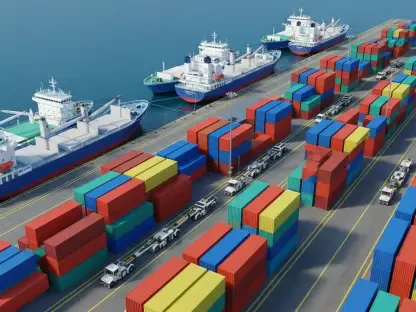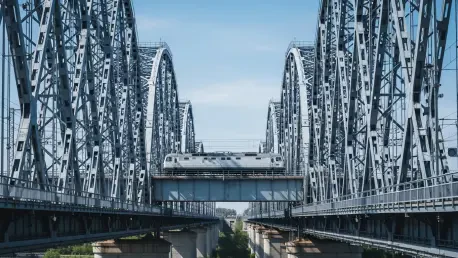

The traditional dominance of maritime shipping lanes is currently being challenged by a massive reconfiguration of terrestrial logistics that spans the entire width of the Eurasian continent. This shift represents more than just an alternative transportation method; it is a fundamental realignment of the economic geography that has defined international commerce for centuries. As maritime chokepoints face increasing pressure from environmental and geopolitical factors, the iron silk road has transitioned from a visionary project into a robust, high-capacity reality that connects the production centers of the East with the consumption hubs of the West.
This industry has reached a state of maturity where reliability and speed are no longer the exclusive domain of air or sea freight. The current scope of Eurasian rail transit encompasses a vast network of corridors that bypass traditional maritime routes, offering a middle option that is faster than a ship and more affordable than a plane. Technological influences, such as automated border crossings and real-time tracking, have removed the historical opacity of overland travel, while major market players like national rail operators and global logistics firms have invested billions into making this transition permanent.
The significance of this pivot lies in its ability to unlock the economic potential of landlocked regions that were previously marginalized by the coastal bias of global trade. By creating a direct link through the heart of Eurasia, the rail bridge facilitates the development of new industrial zones and logistics hubs in Central Asia and Eastern Europe. This movement is supported by a complex web of international regulations and standards that ensure the safe and efficient passage of goods across multiple borders, marking the dawn of a new era in continental connectivity.
The Strategic Dawn of the Eurasian Land Bridge
The current state of the global logistics industry is defined by a move toward diversification and a search for resilience against systemic shocks. The Eurasian land bridge has emerged as a primary beneficiary of this trend, as shippers seek to avoid the delays and rising insurance costs associated with traditional sea routes. This terrestrial network is not a single path but a sophisticated system of interconnected segments, each optimized for different types of cargo and transit times. Technological advancements in rail engineering and logistics software have significantly influenced this growth, allowing for longer trains and more precise scheduling.
National railway companies have become the dominant market players, forming strategic alliances to synchronize their operations across vast distances. These partnerships are essential for managing the sheer scale of the network, which now handles a significant portion of the high-value goods moving between major global markets. Regulatory environments have also evolved to support this growth, with governments implementing streamlined customs procedures and unified standards for rail transport. This governance ensures that the logistical flow remains uninterrupted, even as the volume of cargo continues to increase.
The strategic importance of this land bridge is further amplified by its role in regional development. By providing a stable and efficient link between disparate economic zones, the rail network encourages investment in infrastructure and industry far from the world’s major seaports. This decentralization of trade is reshaping the global economy, creating new opportunities for growth in areas that were once considered remote. The ongoing expansion of this network is a testament to the enduring value of land-based trade in an increasingly interconnected world.
Catalysts of Change: Infrastructure and Economic Momentum
Strategic Partnerships and the Digitalization of Logistics
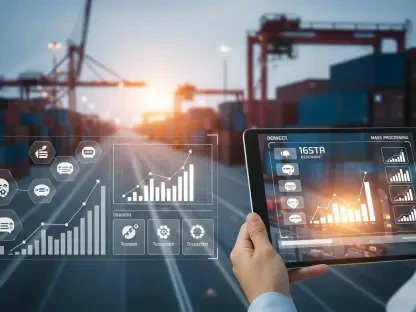
The primary trend affecting the logistics industry is the rapid digitalization of every aspect of the supply chain, from the factory floor to the final delivery point. Emerging technologies such as blockchain and automated documentation are being used to eliminate the administrative friction that has historically slowed down cross-border rail transit. This shift toward a digital logistics environment allows for the automatic registration of transit declarations, reducing the time spent at border crossings and improving the overall efficiency of the network. These digital tools provide shippers with unprecedented visibility into their cargo, making rail a more attractive option for time-sensitive deliveries.
Evolving consumer behaviors are also driving the demand for faster and more reliable transportation options. The rise of e-commerce has created a market that prizes speed and predictability, qualities that the modernized Eurasian rail network is uniquely positioned to provide. Market drivers such as the need for sustainable shipping solutions have also played a role, as rail is often seen as a more environmentally friendly alternative to air or sea transport. New opportunities are emerging for companies that can integrate these digital solutions with the physical infrastructure of the rail network, creating a seamless and transparent logistics experience for their customers.
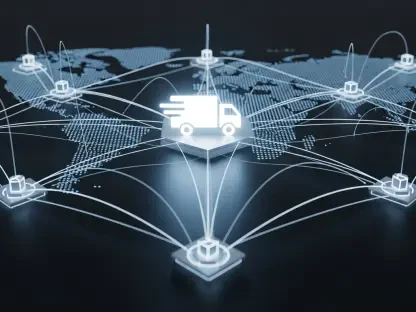
Moreover, the integration of information systems between different national operators is creating a unified digital corridor that spans the entire continent. This level of cooperation is unprecedented and represents a significant step toward a fully automated logistics network. By reducing the reliance on manual paperwork and physical inspections, these strategic partnerships are making the Eurasian land bridge a more competitive and reliable component of the global supply chain. The continued investment in digital infrastructure is a clear signal that the industry is committed to long-term modernization.
Quantifying the Surge: Volume Growth and Transit Capacity
Data regarding the performance of the Eurasian rail network indicates a period of robust growth and expanding capacity. Total rail cargo volumes have reached new heights, with significant year-on-year increases in both bulk and containerized freight. This growth is a direct result of the investments made in infrastructure and the increasing frequency of train services across the major corridors. Projections suggest that this upward trend will continue as more shippers recognize the benefits of rail transit and as the network becomes even more integrated and efficient.
Transit capacity is also being expanded through the modernization of border crossings and the development of new logistics hubs. The number of train pairs operating daily has increased significantly, allowing for a higher throughput of goods and a more consistent schedule for shippers. Performance indicators such as average transit times and reliability rates have also shown steady improvement, further cementing the reputation of rail as a dependable logistics option. Forward-looking perspectives suggest that the network will continue to evolve, with new routes and technologies further enhancing its capacity and reach.
This surge in volume is particularly evident in the container transit sector, which has become the lifeblood of modern trade. The ability to move large quantities of consumer goods quickly and safely across the continent has made rail an essential part of the supply chain for many global brands. As the network continues to expand, it is likely that we will see even more diverse types of cargo being moved by rail, including temperature-sensitive and hazardous materials. The ongoing success of the Eurasian land bridge is a clear indication of the growing importance of overland trade in the twenty-first century.
Navigating the Bottlenecks: Operational and Geopolitical Obstacles
The industry faces a complex array of obstacles that can hinder the smooth flow of goods across the Eurasian landmass. One of the most persistent physical challenges is the difference in rail gauges between various regions, which requires time-consuming transshipment processes at border stations. While technical solutions such as automated gauge-changing systems and advanced dry ports have been developed to address this issue, it remains a significant factor in determining the overall speed and cost of transit. Overcoming these physical barriers requires constant innovation and a high level of coordination between different national rail operators.
Geopolitical instability also presents a major challenge for the Eurasian rail network, as trade routes must often pass through regions with varying levels of political and economic stability. Changes in trade policies, sanctions, and regional conflicts can all impact the flow of goods and create uncertainty for shippers. To mitigate these risks, industry players must develop flexible and resilient logistics strategies that can adapt to changing circumstances. This includes diversifying routes and investing in security measures to protect both the infrastructure and the cargo being transported.
Regulatory and market-driven challenges also play a role in shaping the industry’s landscape. Varying standards for safety, environmental protection, and labor practices can create administrative hurdles for companies operating across multiple jurisdictions. Solutions to these problems often involve the harmonization of regulations and the adoption of international standards that provide a clear and consistent framework for all participants. Despite these complexities, the industry continues to move forward, driven by the clear economic benefits of a more connected and efficient Eurasian trade network.
The Governance of Transit: Regulatory Frameworks and Customs Unions
The regulatory landscape of Eurasian rail transit is shaped by a collection of international laws, standards, and agreements that govern everything from customs procedures to security protocols. Significant changes in these regulations have a direct impact on the efficiency and cost of shipping, making compliance a top priority for all market participants. Customs unions and other regional economic organizations play a vital role in this process, providing a unified framework that simplifies the movement of goods across borders. These organizations help to reduce the bureaucratic burden on shippers and ensure that the transit process remains transparent and predictable.
Compliance with safety and security standards is another critical aspect of the governance of transit. High-security measures are necessary to protect the integrity of the supply chain and ensure that goods are transported safely across vast and sometimes remote territories. This includes the use of advanced monitoring systems and the implementation of rigorous inspection protocols at key border crossings. The effect of these measures on industry practices is significant, as companies must invest in the technology and training necessary to meet these high standards.
Ongoing regulatory changes are also influenced by global trends toward sustainability and environmental protection. New laws aimed at reducing the carbon footprint of the logistics industry are encouraging the adoption of cleaner technologies and more efficient shipping methods. This regulatory environment creates both challenges and opportunities for the rail industry, as it seeks to position itself as a more sustainable alternative to other forms of transport. The role of governance in the industry is therefore not just about managing transit, but also about shaping the future of global trade in a way that is both efficient and responsible.
The Horizon of 2026: Future Disruptors and Market Evolution
The current year has brought a new set of insights into the direction of the logistics industry, highlighting emerging technologies and potential market disruptors. Innovations in automation and artificial intelligence are expected to further transform the rail network, making it even more efficient and responsive to market demand. These technologies allow for better route optimization, predictive maintenance of infrastructure, and more precise tracking of cargo, all of which contribute to a more reliable and cost-effective service. Consumer preferences are also evolving, with a growing demand for transparency and sustainability in the supply chain.
Potential market disruptors such as the development of alternative trade routes and the rapid growth of the air freight market could also impact the future of Eurasian rail. The gradual opening of Arctic shipping routes, for example, could provide a new maritime alternative that competes with the land bridge for certain types of cargo. Similarly, the continued expansion of the aviation industry could make air freight more accessible and affordable for a wider range of goods. To remain competitive, the rail industry must continue to innovate and adapt to these changing market conditions.
Future growth areas for the industry include the expansion of the network into new regions and the development of specialized services for high-value and perishable goods. Innovation in temperature-controlled transport and the handling of hazardous materials is already opening up new opportunities for the rail network to diversify its cargo base. Global economic conditions, including changes in trade patterns and the rise of new manufacturing hubs, will also continue to influence the evolution of the market. The ability to remain flexible and responsive to these factors will be key to the long-term success of the Eurasian rail pivot.
Conclusion: Assessing the Resilience of the New Silk Road
The examination of the Eurasian rail pivot demonstrated that the industry successfully transformed from a peripheral logistics option into a central pillar of global trade. The report found that the convergence of massive infrastructure investment and high-level digital integration created a terrestrial network that was both resilient and highly efficient. The strategic partnerships between national rail operators proved to be the essential foundation for this growth, allowing for the harmonization of transit procedures and the expansion of throughput capacity across the entire continent.
The analysis revealed that the rail network achieved a critical mass in cargo volume, particularly in the high-value container sector, by providing a reliable alternative to increasingly volatile maritime routes. The implementation of automated customs declarations and real-time tracking systems reduced the administrative friction that once hindered overland trade, making the iron silk road a transparent and predictable choice for global shippers. Furthermore, the development of advanced dry ports and specialized logistics hubs mitigated the physical challenges of gauge differences and created new economic opportunities in previously landlocked regions.
As the industry moves forward, the focus should shift toward further integrating sustainable technologies and exploring new market segments to maintain this momentum. Investment in green energy for rail operations and the continued expansion of cold-chain logistics will likely be the next frontiers for growth. The findings suggested that the resilience of the New Silk Road was not merely a result of physical assets but was also driven by the robust regulatory frameworks and customs unions that provided a stable environment for international investment. Ultimately, the successful realignment of Eurasian trade demonstrated the power of international cooperation in building a more connected and efficient global supply chain.