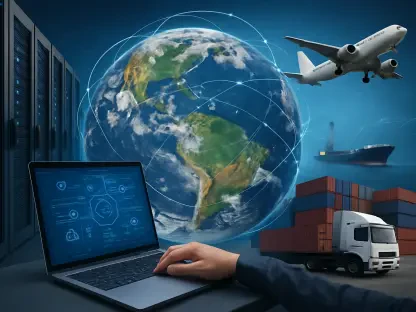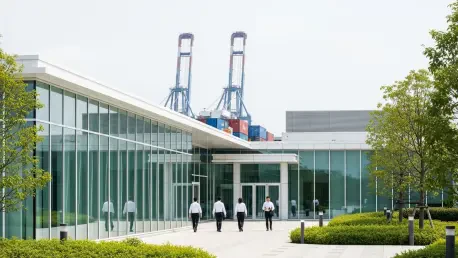

The vast Indian coastline is no longer just a transit point for global trade; it has evolved into a sophisticated industrial engine through a historic partnership with French shipping giant CMA CGM. This seismic shift is fueled by a landmark strategic contract with Cochin Shipyard for the construction of six LNG dual-fuel container ships, signaling a profound vote of confidence in local industrial capabilities. This collaboration serves as a catalyst for the Maritime Vision 2047, examining the integration of advanced shipbuilding, human capital development, and digital innovation that will redefine the nation’s role in global commerce.
Building the Foundation: Maritime Vision 2047
India’s maritime sector has historically been characterized by a massive coastline, yet it often lagged in high-tech shipbuilding. In the past, major global carriers predominantly looked toward East Asian yards for fleet expansion. However, the tide turned as the government prioritized indigenous manufacturing through initiatives like Make in India. The CMA CGM agreement represented the first time a major global container line placed a significant order with a domestic shipyard, validating technical progress and setting a precedent for other global players to shift procurement strategies toward the subcontinent.
Driving Industrial and Technological Growth: Strategic Investments
Revolutionizing Indigenous Shipbuilding and Green Energy
The order for six 1,700 TEU container ships powered by LNG dual-fuel engines is a technological leap for the domestic industry. By opting for LNG-powered vessels, CMA CGM introduced sophisticated green technology into the local manufacturing ecosystem. This partnership forced a domestic supply chain evolution, requiring yards to master complex cryogenic fuel systems and sustainable engineering practices. The challenge remained in scaling these operations, but the benefit was a direct alignment with international decarbonization goals, making local ships competitive on a global scale.
Empowering the Global Seafarer Workforce
The nation is currently the world’s second-largest supplier of maritime labor, but this partnership aimed to move beyond quantity to quality. The commitment to onboard 1,500 additional seafarers—bringing the total to 2,500—highlighted a significant investment in human capital. This expansion involved high-level training and exposure to modern, digitally integrated vessels. By deepening this talent pool, the region reinforced its status as an indispensable pillar of shipping operations, ensuring professionals remained at the forefront of the industry’s evolution.
Pioneering Digital Innovation: AI Integration
Beyond the physical shipyard, the collaboration extended into the digital frontier with a dedicated Research & Development hub in partnership with Capgemini. This facility was designed to harness local expertise in software to develop AI-driven solutions for global maritime logistics. Addressing the misconception that maritime progress is purely about steel, this center focused on route optimization and predictive maintenance. Such integration positioned the region not just as a builder of ships, but as the analytical heart of global maritime efficiency.
Emerging Trends: Global Trade and Infrastructure
The future of the maritime industry is defined by regional connectivity and sustainable logistics. Alignment with the India–Middle East–Europe Economic Corridor suggests a future where the subcontinent serves as the central node of a new global trade artery. There is a projected surge in demand for integrated ship recycling and domestic container manufacturing. As digital twins and automated ports become the norm, the local R&D sector will likely be a primary exporter of these technologies, fundamentally altering the economic landscape of the Indian Ocean.
Strategic Takeaways: The Maritime Sector
The synergy between CMA CGM and local industry offers a blueprint for how multinational corporations can foster regional industrial hubs. For stakeholders, the major takeaway is the importance of local-for-global manufacturing—utilizing regional strengths to solve global logistics challenges. Best practices derived from this partnership included investing early in green technology and prioritizing the upskilling of the workforce to handle high-tech assets. Professionals should focus on the intersection of maritime law and digital literacy as primary drivers of value.
Final Reflections: A New Era for Indian Maritime Power
The partnership between CMA CGM and India functioned as a transformative milestone that transcended simple vessel procurement. By integrating high-tech shipbuilding and cutting-edge R&D, this collaboration provided the necessary momentum for the nation to pursue its maritime ambitions. The significance of this move lay in its holistic approach, addressing infrastructure and labor simultaneously. As the region evolved into a global maritime hub, this alliance was remembered as the catalyst that transitioned the nation from a peripheral player to a central architect of global trade.