
In an era where the European airfreight industry is being fundamentally reshaped by powerful forces of consolidation and digitalization, the once-transactional role of the General Sales and Service Agent is undergoing a profound and necessary evolution. The confluence of staffing shortages, shifting logistical patterns, and mounting sustainability pressures has created an environment where traditional business models are no longer sufficient. This report analyzes the pivotal transition of General Sales and Service Agents (GSSAs) from tactical intermediaries into indispensable strategic partners, who now provide comprehensive value that extends far beyond sales and operations.
The New Air Cargo Ecosystem: GSSAs at the Core of a Shifting Landscape
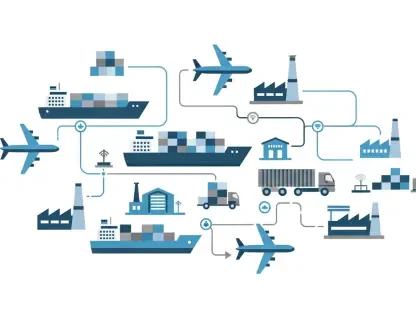
The modern air cargo ecosystem bears little resemblance to that of the past decade. It is a dynamic and intricate network where GSSAs are increasingly positioned at the operational and strategic center. No longer confined to the role of a simple sales representative, the contemporary GSSA acts as a crucial integrator, harmonizing the complex and often conflicting needs of airlines and freight forwarders. This requires a delicate balance of securing commercial incentives for carriers while delivering the operational excellence and flexibility that forwarders demand in a volatile market.
This elevated position is not one of default but of necessity. As airlines focus on their core business of flying and forwarders manage increasingly complex global supply chains, a gap has emerged for a partner who can provide specialized market intelligence, network optimization, and ground-level support. GSSAs fill this void by offering a suite of services that encompasses everything from capacity management and revenue optimization to regulatory compliance and sustainability reporting. Their value now lies in their ability to translate airline assets into tailored, efficient solutions for the forwarding community, making them a central pillar of the new air cargo landscape.
Navigating Market Headwinds: Key Trends Shaping the GSSA’s Future
The path forward for GSSAs is being shaped by several powerful market trends that demand new levels of agility and strategic foresight. The industry continues to grapple with the aftershocks of global disruptions, which have permanently altered trade flows and customer expectations. In this environment, GSSAs must be more than just responsive; they need to be predictive, anticipating shifts in demand and proactively developing solutions that add resilience to their partners’ supply chains.
Two of the most significant trends redefining the GSSA’s strategic importance are the complex dynamics of airline consolidation and the strategic pivot toward regional cargo hubs. Each of these developments presents both challenges and substantial opportunities. Successfully navigating them requires a GSSA to move beyond a purely operational focus and embrace a more consultative role, guiding both airlines and forwarders through an increasingly fragmented and competitive market.
From Consolidation Threat to Strategic Advantage
At first glance, airline consolidation appears to be a threat to the GSSA model, seemingly reducing the number of potential clients and increasing the market power of a few large carriers. However, a more nuanced analysis reveals a significant strategic opportunity. As airline networks become larger and more intricate post-merger, their internal complexity grows exponentially. A capable GSSA can step in to manage this complexity, transforming a vast and potentially unwieldy network into a streamlined and accessible resource for freight forwarders.
This is where the GSSA’s role as a value aggregator becomes paramount. By representing a consolidated airline entity, a GSSA can offer forwarders a single point of contact for a much broader range of destinations and services. They can bundle commercial incentives, create integrated operational plans, and simplify administrative processes, allowing forwarders to shorten their list of suppliers while gaining access to a more powerful and cohesive network. In this context, the GSSA becomes the crucial link that unlocks the synergistic value of consolidation for the entire logistics chain.
The Rise of Regional Hubs: Bypassing Bottlenecks for Greater Efficiency
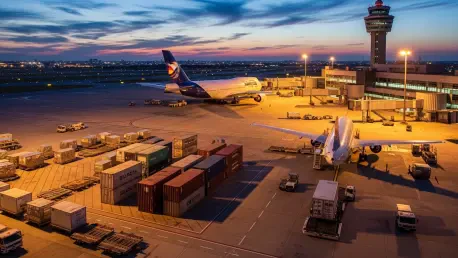
The long-standing dominance of traditional European cargo hubs like Frankfurt and Amsterdam is being challenged by the growing prominence of regional airports. In the wake of widespread congestion and delays at major gateways, these smaller airports have emerged as highly competitive alternatives. Many now boast more advanced digital infrastructure, offer faster aircraft turnaround times, and achieve higher operational success rates, presenting a compelling case for diverting cargo flows away from historic bottlenecks.
GSSAs are playing a pivotal role in capitalizing on this logistical shift. By identifying and leveraging underutilized capacity at regional airports closer to final manufacturing or consumption zones, they create more direct and efficient supply chains. For instance, routing freight through airports like Pittsburgh or Portland in the U.S. can significantly reduce transit times and last-mile delivery costs for forwarders. The strategic GSSA enables this by building relationships with regional ground handlers and integrating these alternative gateways into the airline’s network, thereby offering forwarders innovative solutions that enhance both speed and reliability.
Tackling Modern Complexity: From Digital Disruption to Staffing Shortages
The air cargo industry is simultaneously facing the dual pressures of rapid technological change and persistent labor shortages. Digitalization is no longer an option but a prerequisite for survival, with forwarders and airlines demanding real-time visibility, automated booking processes, and data-driven insights. GSSAs are at the forefront of this digital disruption, tasked with implementing and integrating new technologies that create a seamless and transparent experience for their partners. This includes everything from adopting modern cargo management systems to utilizing APIs for dynamic pricing and capacity updates.
At the same time, the ongoing shortage of skilled ground handling and administrative staff presents a significant operational risk across the supply chain. A strategic GSSA mitigates this challenge by not only optimizing their own staffing but also by designing more efficient processes that reduce reliance on manual labor. By automating routine tasks and providing robust digital platforms, they help alleviate the operational strain on their partners. This proactive approach to managing both technological and human resource complexities demonstrates the GSSA’s value as a provider of resilience and stability in a turbulent market.
Beyond the Bottom Line: Navigating Sustainability Mandates and ESG Goals
Environmental, Social, and Governance (ESG) criteria have moved from the periphery to the core of corporate strategy in the air cargo sector. With GSSAs estimated to manage nearly a quarter of all global airfreight tonnage, their influence on the industry’s sustainability footprint is substantial. Airlines and shippers alike now expect their partners to contribute actively to their ESG goals, making environmental responsibility a critical component of the GSSA’s value proposition.
This responsibility extends far beyond simple compliance. The modern GSSA is expected to proactively promote the use of Sustainable Aviation Fuel (SAF) and provide transparent reporting on carbon emissions for every shipment. Furthermore, their role now involves meticulously analyzing and optimizing shipment routings to ensure maximum fuel efficiency and minimize environmental impact. By embedding sustainability into their core operational and commercial offerings, GSSAs are becoming key enablers of the industry’s transition toward a greener future, transforming an ethical mandate into a competitive advantage.
The GSSA of Tomorrow: From Sales Agent to Supply Chain Architect
The culmination of these market forces is forging a new identity for the GSSthat of a supply chain architect. This advanced role requires a deep and predictive understanding of macroeconomic trends and their impact on global logistics. For example, a GSSA must be able to forecast how the nearshoring of automotive manufacturing to Central and Eastern Europe will fundamentally alter established trade lanes and create new demand for air cargo capacity in previously secondary markets.
This consultative approach is what distinguishes the GSSA of tomorrow. Instead of merely reacting to booking requests, they provide proactive, data-driven advice that helps airlines and forwarders navigate future challenges and seize emerging opportunities. They leverage their unique position at the intersection of supply and demand to design more intelligent, resilient, and cost-effective logistics networks. In doing so, they transition from a service provider executing transactions to a strategic partner co-creating long-term value.
Forging the Future: Why the Strategic GSSA is an Indispensable Partner
This examination of the air cargo industry confirmed that the role of the General Sales and Service Agent underwent a fundamental and irreversible transformation. The convergence of airline consolidation, logistical shifts toward regional hubs, digital disruption, and stringent sustainability mandates created a new operational reality. In response, the GSSA’s function expanded dramatically beyond its traditional commercial boundaries.
The most successful GSSAs were those that embraced this complexity and redefined their value proposition. They became indispensable partners not just by selling cargo space, but by delivering integrated solutions, strategic market intelligence, and operational resilience. Their evolution into true supply chain architects demonstrated a necessary adaptation to a market that now prizes strategic insight as much as it does efficiency and cost, solidifying their position as an essential component of the future air cargo ecosystem.