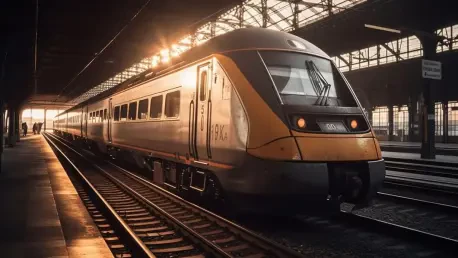

For decades, rail passengers across the United Kingdom have navigated a complex and often frustrating patchwork of private operators, leading to inconsistent service, confusing ticketing, and a pervasive lack of accountability when things go wrong. The launch of Great British Railways (GBR) in 2026, a sweeping government initiative detailed in the landmark Railways Bill, marks a decisive shift away from this disjointed model. This ambitious reform is designed to consolidate the nation’s rail network into a single, publicly owned entity, directly addressing long-standing grievances over delays, cancellations, and the high cost of travel. The fundamental goal is to create a cohesive, reliable, and passenger-centric system that finally puts the needs of the public ahead of private interests, promising a more streamlined and dependable experience for millions of commuters and leisure travelers. This transition represents one of the most significant overhauls of the UK’s rail infrastructure in a generation, aiming to restore public trust in a vital national service.
A New Era of Public Accountability
Consolidating a Disjointed Network
The core of the Great British Railways initiative is the monumental task of bringing the nation’s fragmented railway system under a single, unified public body. Currently, the network is managed by 17 different organizations, a structure that has often resulted in bureaucratic inefficiencies, blame-shifting when services fail, and a confusing experience for passengers trying to navigate journeys across different lines. The new reform aims to dismantle this siloed approach by consolidating these entities into one cohesive organization with clear and direct accountability. This process is already underway, as seven major train operators, which together account for a third of all passenger journeys, have been brought back into public hands. The GBR plan will complete this transition, ensuring that the entire network operates under a single guiding principle. The objective is to eliminate the frustrating complexities of the current system, establishing a clear line of responsibility that ultimately answers to the public it serves rather than a diverse group of private stakeholders with competing priorities.
A Commitment to Public Service
This structural unification signals a profound philosophical shift in how the railway is managed, moving from a model influenced by private profit motives to one fundamentally rooted in public service. The explicit goal articulated by proponents of the reform is to run the railway for the benefit of the public, not for private shareholders. This change is intended to reorient every aspect of the network’s operations, from scheduling and maintenance to customer service and long-term investment. By establishing a single, publicly owned entity, the government seeks to ensure that decisions are made in the national interest, prioritizing reliability, affordability, and accessibility for all passengers. GBR will be accountable not only to passengers but also to freight customers and taxpayers, creating a transparent framework for performance and spending. This move is presented as the definitive solution to years of criticism that the privatized system incentivized cost-cutting at the expense of service quality, aiming to build a railway that Britain can once again be proud of.
Revolutionizing the Passenger Journey
Digital Innovation and Accessibility
A cornerstone of the improved passenger experience is the introduction of a new, centralized GBR ticketing app, designed to be a comprehensive “one-stop shop” for all rail travel needs. Set to launch with the GBR brand, this digital platform will allow passengers to check schedules and purchase tickets for any journey across the entire UK network, all in one place. A significant feature of this app will be the elimination of booking fees, a common source of frustration for travelers. This digital overhaul is not just about convenience; it also aims to improve accessibility. The app will feature integrated access to the Passenger Assist service, creating a seamless booking process for disabled passengers who require travel assistance. This commitment to a better passenger experience is further supported by the government’s decision to freeze rail fares, a measure intended to help ease the rising cost of living and make train travel a more attractive and affordable option for a wider range of people, directly tying the rail reform to broader economic support for households.
A Unified National Identity
To visually signify this new era of a unified railway, a distinct national brand identity for Great British Railways will be rolled out starting in the spring of 2026. The new branding features a patriotic red, white, and blue color scheme and a modernized logo that thoughtfully incorporates the iconic double-arrow symbol, a nod to Britain’s rich railway heritage that has been a familiar sight for travelers for generations. Transport Secretary Heidi Alexander emphasized that this rebranding is far more than a superficial “paint job.” Instead, it is meant to represent the deep, fundamental reforms taking place beneath the surface. The consistent branding across all trains, stations, and digital platforms is intended to create a sense of cohesion and reliability, reassuring passengers that they are interacting with a single, dependable national service, regardless of where their journey begins or ends. This visual unification is a critical part of building public trust and demonstrating a clear break from the fragmented and often confusing branding of the past private franchise system.
Broader Economic and Governance Implications
Supporting National Growth and Oversight
The remit of Great British Railways extends far beyond simply running trains on time. The new public body is also tasked with supporting the government’s broader economic missions by acting as a catalyst for national growth and development. By providing a more reliable and efficient transport network, GBR is expected to help unlock new opportunities for jobs and housing development, connecting communities and making it easier for businesses to operate across the country. To ensure GBR remains focused on its public service mandate, the reforms include the establishment of a strengthened and independent passenger watchdog. This body will have the authority to investigate instances of poor service, demand improvements, and hold GBR accountable to the high standards expected by the public. The transition has garnered support from industry leaders, who have welcomed the move towards a more integrated system and a shared focus on delivering better outcomes for both passengers and freight customers, aligning the railway’s future with the nation’s economic progress.
A Look Back at the Road to Reform
The decision to establish Great British Railways was the culmination of years of mounting public dissatisfaction and a growing consensus that the fragmented, post-privatization model of the UK’s rail network was no longer sustainable. Decades of passenger frustration over unreliable services, escalating fares, and a bewildering lack of clear accountability created an undeniable mandate for change. The government’s comprehensive overhaul, therefore, was not a sudden development but a deliberate response to a system widely seen as failing its users. The creation of a single, publicly owned organization was envisioned as the most effective path toward building a railway that Britain “can rely on and be proud of.” Through the promise of a unified brand, a modern, fee-free ticketing system, and an unwavering focus on passenger service, the initiative sought to replace a broken system with one built for the future, marking a pivotal moment in the history of the nation’s railways.