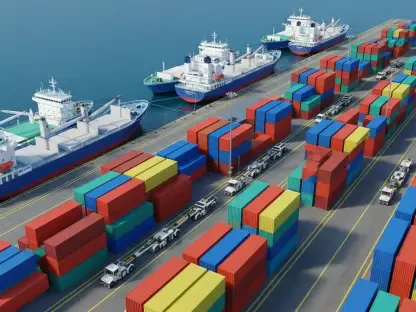

The traditional reliance on a handful of massive aviation gateways is rapidly giving way to a more fragmented and efficient network of specialized regional facilities across the continent. As the digital marketplace evolves, the sheer volume of cross-border parcels has forced a complete reimagining of how goods enter the European Union. No longer can a few central points in Western Europe manage the millions of individual, low-value shipments that define modern consumer habits. This structural transformation signifies a departure from the “mega-hub” era toward a decentralized model where geographic proximity and administrative agility dictate the flow of trade. This article examines how this shift is reshaping logistics strategies, prioritizing regional speed over centralized scale to meet the demands of an increasingly impatient consumer base.
Adapting to the Surge: The New Era of European Logistics
The current European air cargo landscape is navigating a period of profound transition, primarily due to the explosive growth of international e-commerce. Historically, the industry operated under a rigid, centralized framework where a few major hubs absorbed the vast majority of traffic. However, this model is reaching its operational limits. The influx of small-parcel shipments has fundamentally changed the requirements of cargo handling, moving away from heavy palletized freight toward high-frequency, low-weight items. Consequently, the industry is witnessing a strategic pivot toward a more agile infrastructure that can handle the complexities of individual parcel sorting and rapid customs clearance at the regional level.
This evolution is not merely about expanding physical space; it represents a fundamental change in the philosophy of distribution. As logistics providers and e-commerce platforms seek to minimize transit times, they are increasingly looking at gateways that offer direct access to specific regional clusters. By bypassing the traditional bottlenecks of the largest airports, companies can ensure a more consistent flow of goods. This decentralization is essential for maintaining the integrity of supply chains in an environment where consumer expectations for next-day or two-day delivery have become the global standard, forcing a rethink of the entire European logistics map.
From Centralization to Congestion: The Historical Context of Cargo Hubs
For decades, the European logistics sector was built around a “mega-hub” strategy, with centers like Frankfurt and Amsterdam serving as the primary engines of trade. These airports were optimized for large-scale industrial cargo and benefitted from decades of infrastructure investment and established flight networks. While these hubs remain vital for heavy freight, the rise of digital retail has introduced a different set of challenges. The sheer number of individual packages now entering these facilities has led to significant operational friction, as traditional sorting systems were never intended to process millions of small, distinct units simultaneously.
The resulting congestion at these primary gateways has acted as a primary catalyst for the current industry shift. When a single hub becomes overwhelmed, the ripples are felt across the entire continent, leading to delays and increased operational costs. This historical reliance on a few points of entry has exposed a systemic fragility. In response, the market is naturally correcting itself by seeking out alternative airports that can offer dedicated resources for e-commerce. Understanding this transition from a centralized past to a more distributed present is vital for grasping why regional gateways have suddenly become the most sought-after assets in the air cargo sector.
The Strategic Pivot to Regional Gateways
Decentralizing the Network for Speed and Efficiency
A critical component of the modern logistics strategy is the “regional gateway model,” which prioritizes catchment areas serving specific geographic populations. Major hubs are increasingly burdened by the administrative and physical weight of small-parcel processing, which often requires more labor-intensive handling than standardized containers. In contrast, regional players are positioning themselves as streamlined alternatives. By focusing on specific zones, such as the Baltic or Mediterranean corridors, these airports provide a tailored entry point that avoids the generalized chaos of larger facilities. This approach allows for a more predictable flow of goods, as local operators can dedicate their entire infrastructure to high-velocity e-commerce shipments.
Furthermore, this model facilitates a more balanced distribution of air traffic across the European Union. Instead of every flight from manufacturing centers landing in the same three or four cities, cargo is being diverted to secondary airports that act as specialized consolidation centers. This not only eases the pressure on traditional hubs but also allows regional airports to develop niche expertise in customs processing and automated sorting. By spreading the volume across a wider network, the industry reduces the risk of a total shutdown in the event of local disruptions, creating a more resilient and flexible supply chain that can adapt to fluctuating demand.
Geographic Proximity and Last-Mile Integration
In the modern e-commerce sector, the definition of speed has moved beyond flight duration to encompass the entire journey from the aircraft to the doorstep. Regional hubs provide a distinct advantage by placing goods significantly closer to their final destination before they even leave the airport. For example, processing a shipment for Northern Europe through a gateway in the Baltic region is inherently more efficient than trucking it hundreds of miles from a Western European hub. This proximity drastically reduces the “middle-mile” transit time, allowing parcels to be injected into local delivery networks almost immediately after they clear customs.
This geographic alignment also plays a crucial role in sustainability efforts. By shortening the road feeder distances required to move goods from the airport to the customer, logistics providers can significantly lower their carbon footprints. For agile regional airports, the ability to integrate seamlessly with local postal services and private couriers provides a level of service that overcrowded mega-hubs often struggle to match. As e-commerce platforms prioritize both speed and environmental responsibility, the value of these strategically located regional centers continues to grow, making them indispensable components of the modern retail landscape.
Navigating Geopolitical Disruptions and Operational Risk
The logistics sector has been heavily influenced by the necessity of a “forced reset” following recent geopolitical instabilities and airspace closures. These events demonstrated the inherent dangers of over-reliance on a few specific routing structures and entry points. However, this period of uncertainty also served as a moment for regional airports to prove their worth. Many utilized the shift in trade routes to upgrade their digital infrastructure and refine their cargo handling processes. As a result, when traditional hubs experienced capacity limits and rising fees, these smaller gateways were ready to offer more resilient and technologically advanced alternatives.
This diversification of entry points is now seen as a vital component of risk management. By maintaining a presence in multiple regional hubs, logistics companies can quickly pivot their operations if one corridor becomes blocked or economically unfeasible. The rise of these regional gateways has proven that geographic diversity is not just a logistical convenience but a strategic necessity. It ensures that the flow of global digital trade remains uninterrupted, even in the face of unforeseen global challenges, by providing a variety of reliable paths into the European market.
Future Trends: Technology and Regulatory Evolution
The future of air cargo gateways will be defined by an increasing intersection of high-tech automation and stringent regulatory oversight. European authorities are stepping up their scrutiny of low-value shipments, implementing new tax frameworks that require every parcel to be accounted for with precision. In this environment, the ability to process customs documentation digitally and instantaneously has become a valuable commodity. Airports that invest heavily in automated sorting and integrated digital customs platforms will likely become the preferred entry points for global e-commerce giants, as they can mitigate the administrative bottlenecks that threaten to slow down the supply chain.
Moreover, the next few years will likely see a surge in the use of sustainable aviation fuels and even electric feeder aircraft for regional distribution. Smaller airports are often better suited for these technological trials, as they offer more flexible operational environments. As the regulatory landscape regarding carbon emissions tightens, the integration of green technology at regional hubs will further enhance their competitiveness. The winners in this evolving market will be those who can balance the need for high-velocity processing with the increasing demands for transparency and environmental compliance.
Strategic Takeaways for the Logistics Industry
To remain competitive in this shifting environment, businesses must move away from the traditional “mass-volume” mentality and embrace a strategy of precision. The following insights provide a roadmap for navigating the new regional reality:
- Leverage Decentralized Routing: Spread operational risks by utilizing secondary hubs that offer less congestion and more dedicated service for small-parcel volumes.
- Invest in Regulatory Tech: Prioritize digital tools that automate customs clearance, as the speed of information is now just as important as the speed of the aircraft.
- Optimize Middle-Mile Logistics: Select gateways based on their proximity to final destination clusters to reduce transit times and lower transportation costs.
- Build Redundancy: Maintain a flexible network of entry points to ensure business continuity during geopolitical or economic shifts.
The Long-Term Outlook for European Air Cargo
The structural shift toward regional hubs indicated a maturing market that valued agility and regulatory competence over the sheer scale of the past. It was observed that while mega-hubs remained essential for heavy freight, they could no longer serve as the sole solution for the high-velocity world of e-commerce. Stakeholders who recognized the importance of geographic diversity found themselves better positioned to handle the complexities of the modern supply chain. This transition ultimately created a more robust European logistics network, capable of supporting the continued expansion of digital commerce through a balanced, hybrid approach. Moving forward, success required a focus on integrating advanced sorting technologies with local distribution expertise to ensure that every parcel reached its destination with maximum efficiency.