
The logistical architecture of North America is currently undergoing a radical metamorphosis as traditional boundaries between digital brokerage and physical infrastructure continue to dissolve into a single, unified service layer. Within this one-trillion-dollar landscape, third-party providers are no longer just intermediaries but have become the central nervous system of global commerce. Shippers now demand a level of agility that regional, fragmented players simply cannot provide, pushing the industry toward a model of consolidated, multi-modal dominance.
This shift is largely fueled by a convergence of asset-light technology and the tangible reliability of physical trucks and warehouses. Private equity groups, such as The Jordan Company, have recognized that the next phase of logistics maturity requires massive scale to survive. By driving these large-scale realignments, investors are betting that only mega-brokerages with diverse capabilities can withstand the pressures of a modern, volatile economy.
Analyzing the State of North American Logistics and the Rise of Mega-Brokerages
The evolution from simple freight matching to complex supply chain orchestration represents the most significant change in the sector since deregulation. As companies seek to reduce their vendor counts, they are gravitating toward providers that can handle everything from drayage to final-mile delivery. This consolidation has birthed a new class of giants capable of leveraging enormous datasets to predict market shifts before they happen.
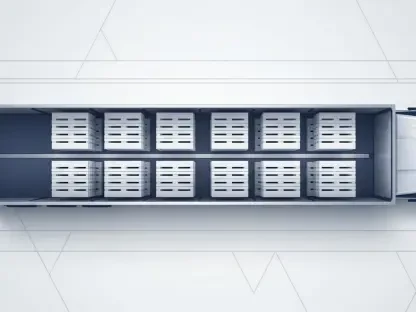
Moreover, the integration of physical infrastructure into digital-first companies provides a safety net against capacity crunches. While pure-play brokers often struggle when truck supply tightens, those with dedicated assets and drop-trailer programs maintain a steady flow of goods. This hybrid approach ensures that the “one-stop-shop” is not just a marketing slogan but a functional reality for high-volume shippers.
Modern Trends and Market Projections for Digitally Integrated Freight
Emerging Tech and the Evolution of End-to-End Supply Chain Solutions
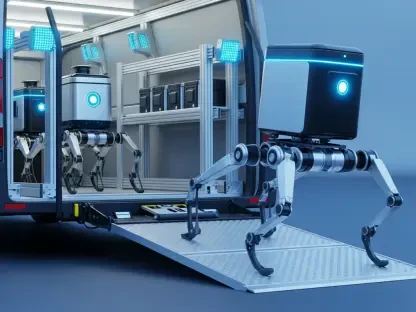
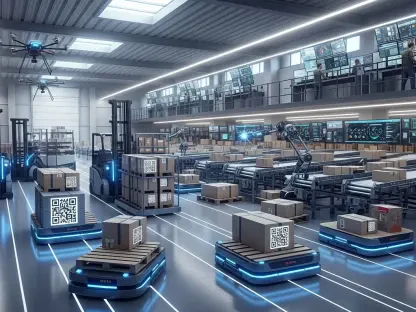
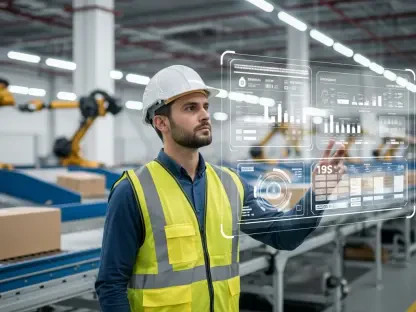
The industry is currently moving toward a state of hyper-automation where AI-driven freight matching identifies the most efficient routes in milliseconds. This transition relies on machine learning algorithms that analyze historical carrier performance and real-time traffic data to eliminate deadhead miles. Consequently, the reliance on manual dispatching is fading as proprietary tech stacks take over the heavy lifting of logistics management.
Simultaneously, the demand for real-time visibility has shifted from a luxury to a baseline requirement. Shippers expect to track their inventory through every stage of the journey, requiring an omnichannel approach that bridges the gap between port arrivals and warehouse fulfillment. This technological integration allows for a seamless flow of information that reduces errors and lowers overall operational costs for the entire network.
Performance Indicators and the Economic Forecast for Combined Entities
With the creation of a combined entity generating over five billion dollars in annual revenue, the competitive landscape has been permanently altered. Analysts project that this scale will allow for a more aggressive expansion into high-growth sectors such as less-than-truckload and intermodal transport. By pooling resources, these consolidated firms can negotiate better rates and offer more stable pricing models to their customer base.
Furthermore, the data-driven outlook suggests that specialized segments like drayage and drop-trailer programs will see the highest return on investment. Integrating these niche services into an automated brokerage system allows for faster equipment turnover and improved driver utilization. As these efficiencies compound, the combined entity is positioned to capture a larger share of the North American market through 2028 and beyond.
Overcoming Structural Hurdles and Market Volatility in Freight Integration
Merging a legacy physical operation with a high-speed digital platform is rarely a frictionless process. The complexities of aligning different corporate cultures and operational workflows can often lead to temporary service disruptions if not managed with precision. Bridging the gap between warehouse personnel and software engineers requires a strategic approach to internal communication and shared goals.
To maintain reliability amidst fuel price volatility and fluctuating capacity, integrated firms must utilize predictive analytics to hedge their risks. Developing a flexible workforce that is equally comfortable with traditional logistics and AI-enhanced tools is essential for long-term stability. Companies that successfully mitigate the risk of data silos will ensure that information flows freely across all departments, preventing bottlenecks in the supply chain.
The Regulatory Framework and Security Standards for Consolidated Logistics
As logistics firms grow in size, they face increased scrutiny from federal transportation regulators regarding safety and compliance. Managing a massive fleet while coordinating a sprawling network of independent carriers requires rigorous oversight and standardized safety protocols. Large-scale mergers must navigate these legal complexities while maintaining high marks on safety ratings to protect their reputation and avoid costly litigation.
Cybersecurity has also become a primary concern for integrated cloud-based platforms that store sensitive shipping data. Protecting against digital threats requires significant investment in encrypted communication and secure data storage solutions. Additionally, the rise of ESG standards means that freight operations must now account for their environmental impact, pushing the industry toward greener fuels and more efficient routing to meet carbon reduction targets.
The Future of Global Supply Chains and Technological Disruption
The synergy between tech-heavy brokerage and asset-based depth serves as a blueprint for the future of the industry. Emerging disruptors such as autonomous trucking and blockchain-based freight tracking are no longer distant dreams but are actively being integrated into modern workflows. These technologies promise to further reduce human error and provide an immutable record of every transaction within the supply chain.
As global economic shifts continue to favor nearshoring, the demand for localized fulfillment and container management at ports will only increase. Companies that can manage the entire journey from the port to the porch will be best positioned to thrive in a world of hyper-localized delivery expectations. Preparing for these shifts requires a forward-thinking mindset that embraces technological disruption as a core competitive advantage.
Final Assessment: The Long-Term Impact of the Echo-ITS Powerhouse
The integration of Echo and ITS Logistics proved that the industry moved toward a hybrid model where technology and physical assets were inseparable. This merger redefined value for shippers by offering the scale of a global enterprise with the specialized focus of a regional provider. It became clear that the viability of tech-heavy acquisitions depended on the ability to translate digital efficiency into physical results on the road. Investors and stakeholders recognized that the “one-stop-shop” model was the most sustainable path forward in a crowded market. Future strategies should prioritize the development of proprietary AI that can manage complex, multi-modal networks with minimal human intervention. Moving forward, the industry likely focused on refining these integrated platforms to handle even greater volumes while reducing the carbon footprint of every mile traveled.