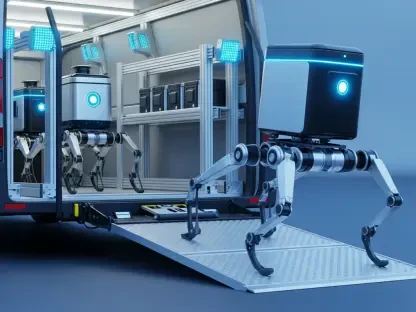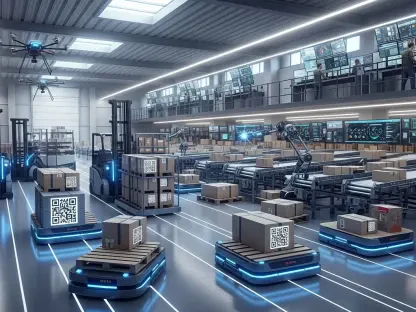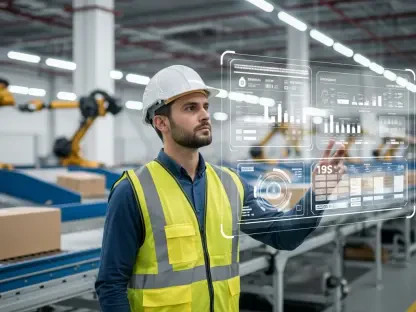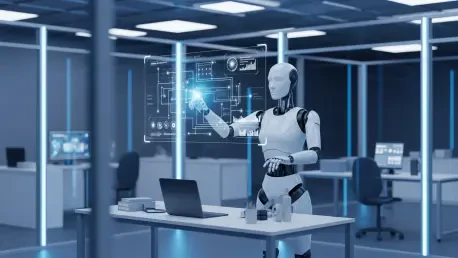

Amazon’s acquisition of Fauna Robotics signals a definitive departure from rigid automation toward a fluid future of embodied intelligence. This move highlights a pivot from stationary industrial arms to versatile machines navigating unpredictable environments. By absorbing the Sprout platform, the firm invested in a framework prioritizing human-centric design over traditional closed-loop systems. This strategic shift suggests that the next generation of logistics will rely on machines that can interact naturally with their surroundings rather than being confined to safety cages.
Evolution of Embodied Intelligence and Human-Centric Design
Embodied intelligence changed how machines perceive and act within physical spaces. Modern platforms like Sprout use sensory feedback to adapt to obstacles in dynamic settings, representing a leap from pre-programmed repetition. This flexibility ensures safety protocols are integrated directly into the robot’s behavior, shifting the industry focus from raw power to nuanced interaction. Consequently, these machines are no longer mere tools but are becoming intelligent partners capable of operating alongside human workers.
Core Technological Components of Modern Humanoid Platforms
Modular Hardware: The Path to Kinetic Versatility
Compliant actuators and lightweight materials mimic biological movements, allowing robots to perform delicate tasks safely. This modularity enables developers to swap parts for specific industrial needs, lowering barriers for researchers and commercial developers. By focusing on mechanical freedom, these platforms achieve a level of dexterity that traditional robotics lacked, making them suitable for complex environments like retail floors and medical facilities.
Integrated AI: Solving the Last-Mile Challenge
Specialized AI has revolutionized navigation and environmental perception. By combining advanced hardware with the navigation expertise of firms like RIVR, systems now manage complex doorstep delivery. This fusion allows robots to navigate uneven terrain and recognize obstacles in real time, bridging the critical gap between automated sorting and final arrival. Such integration is essential for scaling autonomous services in dense urban areas where traditional delivery methods face increasing friction.
Emerging Trends in the Global Robotics Market
Strategic consolidation dominates as major players move toward multi-purpose platforms that handle the entire e-commerce lifecycle. Companies now seek all-in-one solutions that can sort, transport, and deliver goods directly to consumers. This shift includes a significant democratization of the technology, as academic sectors like NYU and creative giants like Disney adopt these flexible platforms for diverse research and entertainment applications.
Real-World Applications and Sector Integration
Humanoids solve the dexterity gap in logistics, performing tasks too complex for traditional conveyor systems. In the service sector, these machines provide direct customer assistance, leveraging non-threatening designs to improve public acceptance of autonomous technology. Moreover, flexible humanoid platforms serve as essential testbeds for new algorithms, allowing developers to simulate real-world interactions before full-scale commercial deployment.
Technical Hurdles and Market Obstacles
Significant barriers remain regarding battery density and the high cost of sophisticated sensors. Current power limits restrict operational uptime, while fragmented regulations for public spaces create legal hurdles that slow adoption in urban logistics. Additionally, the complexity of maintaining these systems in varied climates and terrains presents a logistical challenge for companies aiming for a global rollout of humanoid fleets.
Future Outlook and Technological Trajectory
Future development points toward a complete merger of retail infrastructure and domestic assistance. Iterations will likely incorporate soft robotics and natural language processing to facilitate complex verbal instructions. These systems will become essential infrastructure, providing a scalable workforce for the global economy and evolving from experimental novelties into the primary interface for automated consumer services.
Summary of Recent Advancements and Industry Impact
Recent developments in humanoid systems established a new standard for machine interaction. By consolidating hardware and AI, the industry moved past the limitations of static automation. These advancements ensured that robotics became a cornerstone of technological progress, as the next steps focused on refining human-robot collaboration to address global labor shortages and urban logistics challenges. The shift solidified the role of humanoids as the future of the global supply chain.