
The Sky’s the Limit: A New Era of Retail Convenience Takes Flight
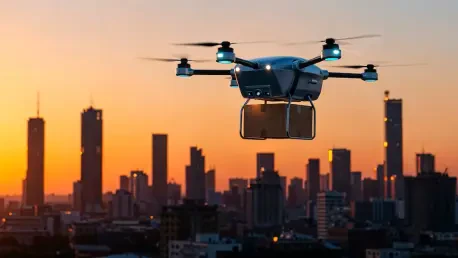
In a landmark announcement at the NRF 2026 retail conference that fundamentally reshapes last-mile logistics, Walmart and drone delivery service Wing revealed a massive expansion of their partnership, signaling a pivotal moment for the future of American commerce. This strategic move is set to bring ultra-fast aerial delivery to the doorsteps of over 40 million Americans, transforming what was once a futuristic concept into a practical, everyday reality. The plan, which involves rolling out the service to an additional 150 Walmart stores over the next year, represents the largest drone delivery expansion in the U.S. to date. This article will explore the context behind this ambitious initiative, analyze its strategic components, and examine the profound implications for the retail industry and consumer expectations.
From Novelty to Necessity: The Path to Mainstream Drone Delivery
The journey to this large-scale rollout was not an overnight development. For years, drone delivery has been a promising but peripheral technology, largely confined to small-scale pilot programs and tech demonstrations. Walmart and Wing began their collaboration with carefully managed trials in select markets, most notably the Dallas-Fort Worth and Metro Atlanta areas. These initial operations served as crucial testing grounds, proving not only the technological reliability and safety of the service but, more importantly, a strong and consistent consumer demand. What these pilot programs demonstrated was that customers readily embraced the service for its unparalleled speed and convenience, laying the groundwork and providing the confidence needed for a nationwide expansion. This shift from experimental phase to full-scale commercial deployment marks a critical turning point for last-mile logistics.
Unpacking the Expansion: Strategy, Scope, and Customer Impact
Mapping the Network: A Coast-to-Coast Ambition
The sheer scale of this expansion is its most striking feature. The plan to add 150 stores within a year, with a long-term goal of over 270 drone delivery locations by 2027, establishes an unprecedented logistical network. This footprint will stretch from Los Angeles to Miami, creating a web of aerial delivery hubs across the country. The rollout will introduce the service to major new metropolitan areas, including Los Angeles, St. Louis, Cincinnati, and Miami. This is in addition to previously announced markets such as Houston, Orlando, Tampa, and Charlotte, with operations in the latter two set to launch as early as January 15. This strategic geographic placement is designed to capture a significant portion of the U.S. population, cementing Walmart’s position as a first-mover in this innovative space.
Beyond the ‘Wow’ Factor: Solving Everyday Consumer Needs
While the technology is impressive, the success of this initiative hinges on its practical application. Both Walmart and Wing executives have emphasized that the service is not designed for large weekly grocery shops but for fulfilling immediate, everyday needs. The ideal use case is for the “last-minute” item—a missing ingredient for dinner, over-the-counter medicine for a sick child, or a quick snack. By delivering these essential items in minutes, the service solves a genuine consumer pain point. The strong adoption rates in existing markets confirm this value proposition; customers are not just using the service for its novelty but are integrating it into their routines. This focus on practical, high-frequency use cases is what elevates drone delivery from a gimmick to a sustainable and valuable part of the retail ecosystem.
The Power of Partnership: Walmart and Wing’s Strategic Alliance
This expansion is a testament to the powerful synergy between two industry leaders. Walmart brings its immense retail footprint, vast customer base, and deep understanding of consumer logistics, while Wing, an Alphabet subsidiary, provides the cutting-edge autonomous aviation technology and operational expertise. This collaboration allows each company to focus on its core strengths, creating a service that is greater than the sum of its parts. For Walmart, it represents a significant competitive advantage in the race for ultra-fast fulfillment, setting a new standard that on-demand gig-worker services may struggle to match. For Wing, it provides the scale necessary to perfect its technology and business model, paving the way for broader applications across the logistics industry.
The On-Demand Horizon: What This Means for the Future of Retail
Walmart’s assertive move is poised to send shockwaves through the retail industry, accelerating the timeline for the widespread adoption of autonomous delivery. As 40 million Americans gain access to this service, consumer expectations for speed and convenience will inevitably rise, placing immense pressure on competitors to innovate their own last-mile solutions. This could trigger a new wave of investment in logistics technology, from drones and autonomous ground vehicles to advanced warehouse automation. Furthermore, as regulators become more familiar and comfortable with large-scale drone operations, the path for approval may become smoother for other companies. This expansion is not just a new service offering; it is a catalyst that will likely reshape supply chains, store formats, and the very definition of “on-demand” for years to come.
Key Takeaways and Strategic Implications for the Retail Landscape
The core insights from Walmart’s drone delivery expansion are clear. First, the technology has matured beyond the conceptual stage and is now a commercially viable, scalable solution. Second, there is proven consumer demand for ultra-fast delivery of small, essential items. Finally, strategic partnerships between retail giants and tech specialists are a powerful model for driving disruptive innovation. For other businesses, the primary takeaway is that the last-mile delivery landscape is undergoing a fundamental transformation. Simply competing on price or product selection is no longer enough; speed and convenience are becoming paramount. Retailers must now evaluate their own logistics capabilities and explore new technologies to meet the heightened expectations set by pioneers like Walmart and Wing.
A Landmark Moment: Drone Delivery Has Officially Arrived
In conclusion, the expansion of Walmart’s drone delivery service was more than just a corporate announcement; it was a declaration that the future of retail logistics had arrived. By successfully transitioning this technology from localized trials to a service accessible to tens of millions, Walmart and Wing set a new industry benchmark and permanently altered consumer behavior. This move validated the long-held promise of aerial commerce and signaled the beginning of a new chapter in on-demand fulfillment. The key takeaway for the entire industry was unequivocal: the sky was no longer a future frontier but an active and essential corridor for commerce today.