
A strategic shockwave has reverberated through the technology and automotive sectors as Tesla officially confirmed the halt of its flagship Model S and Model X production lines, a move that redefines its corporate identity. This analysis explores the market forces driving this monumental decision, dissects the operational realignment toward robotics and artificial intelligence, and projects the long-term implications for the company and its competitors. The transition away from its foundational luxury vehicles marks a deliberate pivot from a proven market to a high-risk, high-reward future in automation.
The End of an Automotive Era
To grasp the magnitude of this shift, one must consider the foundational role the Model S and Model X played. When the Model S sedan launched, it was a revelation, proving that electric vehicles could deliver luxury, performance, and desirability, effectively creating the premium EV segment. The Model X followed, carving a unique niche with its distinctive falcon-wing doors. These vehicles were not just products; they were brand-builders that established Tesla as a formidable challenger to legacy automakers, setting industry benchmarks for range, software, and performance. Their discontinuation represents a clear turning point, closing the chapter on the very models that paved the way for the mass-market success of the Model 3 and Model Y.
Deconstructing the Strategic Shift from EVs to AI
Reading the Market Signals
This decision was not made in a vacuum. It directly follows a period of weaker-than-expected vehicle deliveries and the company’s first annual revenue decline in years, indicating that the high-end EV market is approaching saturation. Instead of committing more resources to a segment with diminishing returns, leadership is redirecting the company toward what it perceives as the next exponential growth engine: artificial intelligence. This strategy reflects a long-held belief that Tesla’s core identity is not in manufacturing cars but in developing scalable AI. By shedding its legacy flagships, the company frees up critical capital and engineering talent to pursue a more ambitious, albeit riskier, long-term vision.
The Operational Blueprint for a Robotics Future
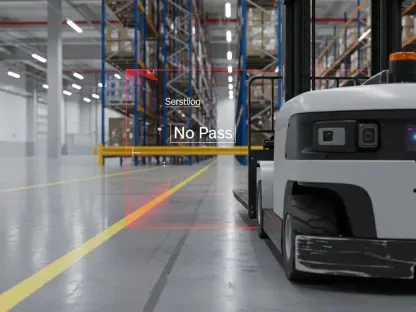
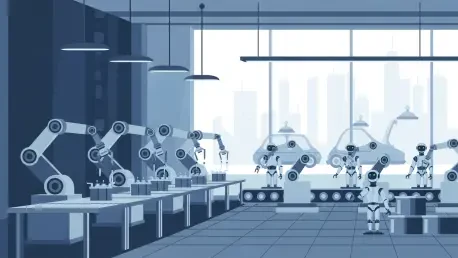
The most concrete evidence of this pivot is the comprehensive retooling of the Fremont, California, factory. The assembly lines that once built the company’s most expensive vehicles are being systematically repurposed to mass-produce the Optimus humanoid robot. This transformation converts a car factory into a dedicated hub for advanced robotics, shifting the primary focus to scaling Optimus and advancing the development of the Cybercab, a purpose-built robotaxi designed without traditional driver controls. This factory overhaul is a powerful statement of intent, physically manifesting the company’s commitment to an ecosystem where autonomous machines, not human-driven cars, are the core product.
Recalibrating the Automotive Portfolio
While the Model S and X era is over, Tesla remains in the automotive business. The strategy is now one of intense focus on its high-volume, mass-market vehicles: the Model 3, Model Y, and the newly launched Cybertruck. This streamlined approach allows the company to optimize production efficiency and cost-effectiveness for the vehicles central to its mission of accelerating the global transition to sustainable energy. To maintain customer loyalty, Tesla has publicly committed to providing ongoing service, software updates, and support for all existing Model S and X owners, ensuring the legacy of these iconic vehicles is preserved even as the company charts a new course.
Projecting Teslas Autonomous Ecosystem
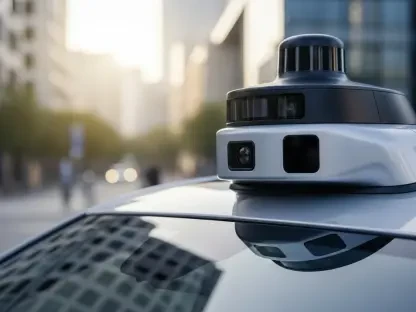
This pivot is a key part of a broader trend where Tesla continues to blur the lines between an automaker and a vertically integrated technology firm. Recent initiatives, such as new partnerships to accelerate the adoption of the Tesla Semi and pilot programs for fully autonomous vehicle deliveries, point to a future centered on logistics and autonomous services. The ultimate vision is an interconnected network where Tesla-built robots and self-driving vehicles operate in concert, all managed by a central AI software platform. This ambition extends far beyond selling cars to consumers and aims to create a new technological infrastructure for both transportation and labor.
Strategic Implications for Investors and Competitors
The discontinuation of the Model S and X offers several critical takeaways for the market. First, it compels investors and analysts to fundamentally reassess Tesla’s valuation model, shifting the focus from vehicle production metrics to its progress in AI and robotics. It is now more accurately categorized as a high-growth technology company than a traditional carmaker. Second, the move serves as a case study in strategic agility, demonstrating a corporate willingness to make unsentimental decisions by retiring successful products to aggressively pursue future opportunities. This challenges competitors to consider whether their own long-term resource allocation is properly aligned with emerging technological paradigms.
A Decisive Bet on an Automated Future
In retrospect, the cessation of Model S and Model X production was far more than a simple product lifecycle decision; it was a clear declaration of Tesla’s next chapter. By trading its celebrated automotive flagships for a future predicated on Optimus robots and autonomous Cybercabs, the company made an unequivocal bet on artificial intelligence. This strategic pivot solidified Tesla’s identity as a robotics company that also manufactures cars, not the other way around. While the risks of entering such a nascent market were immense, the potential reward was the opportunity to define the future of not just transportation, but the very fabric of labor and automation.