
Rohit Laila is a seasoned veteran in the logistics and supply chain sector, possessing decades of experience navigating the complexities of global delivery systems. His deep-rooted passion for innovation has made him a leading voice in how emerging technologies reshape industrial landscapes. In this conversation, we explore the human side of the “Age of Automation,” examining how robotics and AI are moving beyond simple efficiency metrics to foster safety, educational equity, and human empowerment.
How does the focus on human-centered storytelling change the public’s perception of robotics, and what specific metrics can you share that demonstrate automation’s impact on patient care or healthcare accessibility?
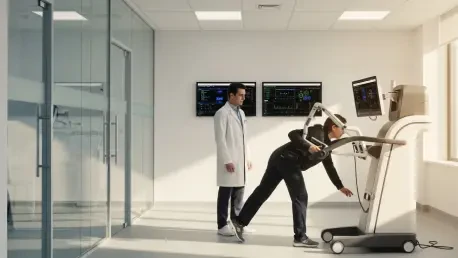
Shifting the narrative toward human-centered storytelling transforms robotics from cold, metallic machines into essential partners in the human experience. When people see a robotic mobility system helping a child take his very first steps, the technology stops being a threat to jobs and becomes a miracle of engineering. In the healthcare space, organizations like the Mayo Clinic are demonstrating that automation isn’t just about speed; it’s about expanding the reach of expert care to underserved populations. We are seeing tangible improvements where automated systems allow clinicians to spend more time on complex diagnostics rather than administrative burdens, effectively increasing the volume of patients treated without sacrificing quality. This evolution proves that at its core, automation is about people and their well-ability to thrive in a demanding world.
When young innovators engage in hands-on robotics competitions, what specific technical skills do they develop, and how does this experiential learning prepare them for the challenges of a modern, technology-driven workforce?
Participating in these high-stakes robotics competitions allows teenagers to master a sophisticated blend of mechanical engineering, software coding, and systems integration. They aren’t just reading about sensors; they are physically calibrating them to navigate unpredictable environments, which mirrors the “trial and error” reality of modern industrial R&D. These young innovators learn to bridge the gap between abstract digital logic and physical execution, a skill set that is in desperate demand across the global workforce. By redefining their relationship with technology today, they develop the resilience and technical fluency needed to lead the next generation of automation development. This hands-on experience ensures they enter the workforce not just as operators, but as architects of the future.
Autonomous trucks and robotic systems are now being deployed in high-risk sectors like mining and disaster response; how do these technologies specifically improve site safety, and what are the primary hurdles in integrating them into existing human-led teams?
In high-risk environments like mining, companies such as Komatsu are utilizing autonomous trucks to remove human operators from the most hazardous zones, significantly reducing the potential for workplace fatalities. These machines can operate with a level of consistency and environmental awareness that humans simply cannot maintain during long, grueling shifts. However, the hurdle lies in the “hybrid” phase, where autonomous systems must seamlessly communicate with human-led teams to prevent accidents during the transition. It requires a fundamental shift in site culture and rigorous communication protocols to ensure that human workers feel safe and empowered while working alongside heavy autonomous machinery. Successfully navigating this integration transforms a dangerous worksite into a controlled, highly efficient environment where safety is the baseline rather than a constant concern.
In what ways are AI-enabled tools bridging the gap in educational equity for students with disabilities, and could you walk us through a step-by-step example of how these tools are implemented in a classroom setting?
AI-enabled tools are acting as a powerful equalizer, particularly for students who have traditionally been left behind by standard teaching methods. For instance, consider a deaf student in a mainstream classroom where AI-driven speech-to-text and sign-language interpretation tools are deployed. First, the software captures the teacher’s lecture in real-time; second, it processes the nuances of the language; and finally, it delivers an immediate visual or haptic translation to the student’s device. This layer of technology ensures that the student can engage with the curriculum at the same pace as their peers without waiting for manual intervention. Such implementations turn the classroom into an inclusive space where disability no longer dictates the quality of a child’s education.
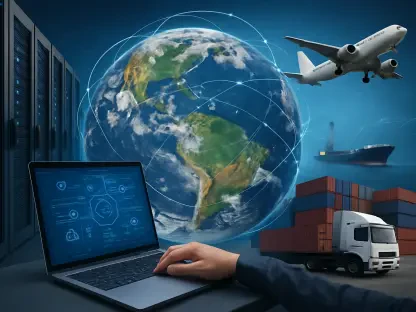
As global populations grow and supply chains face increasing pressure, how are automated mobility and logistics systems being redesigned to ensure resilience, and what anecdotal evidence suggests these changes are improving the lives of everyday consumers?
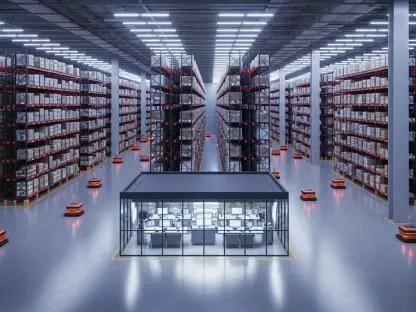
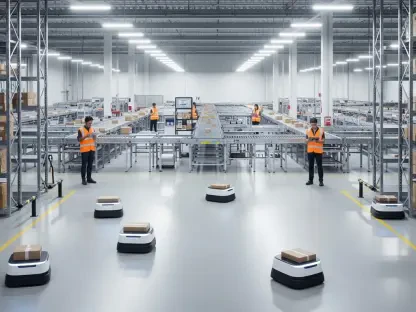
Logistics systems are being redesigned from the ground up to be more “elastic,” using robotics from companies like Daifuku and Cimcorp to handle the massive surge in consumer demand. These automated hubs are designed to function 24/7, ensuring that essential goods move through the supply chain even when labor shortages or global crises strike. For the everyday consumer, the evidence of this success is found in the reliability of home deliveries and the availability of fresh produce that would have otherwise perished in a slower, manual chain. We are seeing a shift where automation acts as the backbone of a resilient society, maintaining the flow of goods that sustain modern life despite the pressures of a growing global population. This behind-the-scenes efficiency translates directly into the peace of mind that consumers feel when they know their needs will be met on time.
Automation is often viewed primarily as a tool for industrial efficiency; how do you reframe this narrative to highlight its role in human empowerment, and what are the tangible benefits for employees when their capabilities are augmented by technology?
We must reframe automation not as a replacement for human labor, but as a sophisticated augmentation of human capability. When an employee’s physical strength is boosted by an exoskeleton or their cognitive load is reduced by an AI assistant, they are empowered to perform higher-value tasks that require creativity and empathy. The tangible benefits are seen in reduced physical strain, fewer repetitive-motion injuries, and an overall increase in job satisfaction as workers move away from “dull, dirty, and dangerous” tasks. By leveraging technology to handle the mundane, we allow the human element—innovation, problem-solving, and leadership—to take center stage. This transition creates a more rewarding workplace where the machine serves the person, leading to a more fulfilled and productive workforce.
What is your forecast for the Age of Automation?
I believe we are entering a phase where automation will become an invisible but indispensable “layer” of progress that touches every aspect of our daily existence. In the coming years, we will see these technologies move from the outskirts of industry directly into the heart of our communities, solving the most stubborn challenges in healthcare and environmental resilience. We are moving toward a future where the synergy between human intuition and machine precision is so seamless that we stop seeing them as separate entities. Ultimately, my forecast is that the “Age of Automation” will be remembered not for the machines we built, but for the human potential we finally managed to unlock.