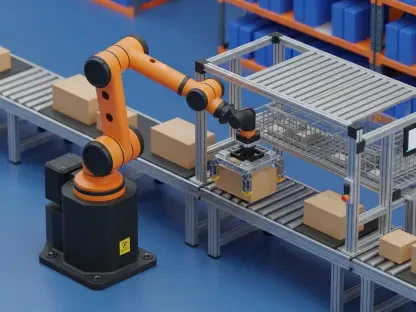

In a striking demonstration of logistical synergy, a single e-commerce fulfillment center in Shepherdsville, Kentucky, recently surpassed the monumental milestone of picking over 25 million units, an achievement powered by a close collaboration between human workers and autonomous robots. This accomplishment, realized through a partnership between e-commerce fulfillment leader Radial and AI-driven warehouse automation provider Locus Robotics, serves as a powerful testament to the transformative potential of integrated automation. More than just a number, this milestone highlights a pivotal shift in how the industry is tackling the relentless pressures of modern commerce. Faced with soaring order volumes, increasing product complexity, and fluctuating consumer demand, companies are seeking solutions that offer not just efficiency but also resilience and scalability. The success at this single facility suggests that the answer lies not in replacing human labor but in augmenting it, creating a hybrid workforce where human ingenuity and robotic precision combine to achieve unprecedented levels of productivity and operational reliability.
Orchestrating Success Through Flexible Automation
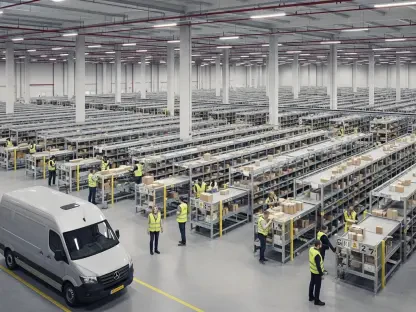
At the core of this operational evolution is a dynamic approach to automation enabled by the Robots-as-a-Service (RaaS) model, which provided Radial with the critical ability to adapt its resources on demand. The company maintained a fleet of 87 LocusBots for daily operations but seamlessly expanded it to 104 during peak seasons to manage surges in volume. This flexibility allowed for a quadrupling of the warehouse’s output within the same physical footprint, a feat that would be untenable with traditional, fixed automation systems. The entire process was orchestrated by the LocusONE platform, a sophisticated system that analyzes vast amounts of real-time data to optimize robot routes and fleet performance. These autonomous mobile robots (AMRs) work in concert with human employees, navigating the warehouse floor to handle the non-value-added task of transporting goods. By eliminating thousands of miles of walking for associates, this model not only boosts overall throughput and lowers operating costs but also significantly improves employee safety and job satisfaction, allowing workers to focus on more complex, value-driven tasks.
A New Standard for Operational Confidence
The successful integration at the Shepherdsville facility ultimately established a new benchmark for “fulfillment-on-demand” and redefined the meaning of operational resilience in the retail landscape. This collaborative model proved that combining intelligent robotics with a skilled human workforce could deliver a consistent and reliable consumer experience, even amidst the most demanding periods of the year. The data-driven strategy provided by the automation platform offered more than just optimized routes; it gave leadership “confidence in delivery,” a crucial asset in an era of high customer expectations. By creating a system that was both highly efficient and inherently scalable, the partnership demonstrated a clear and effective blueprint for navigating future market volatility. This achievement was not merely a story of technological implementation but a validation of a forward-thinking strategy that prioritized agility, intelligence, and a human-centric approach to building the fulfillment center of the modern age.