
The rapid convergence of high-performance physical machinery and sophisticated digital intelligence is fundamentally reshaping how modern distribution centers manage their mobile assets during this period of unprecedented logistical demand. This evolution is notably highlighted at the MODEX 2026 exhibition, where industry leaders like Linde Material Handling have introduced technologies that move beyond simple automation into the realm of optimized intelligence. By integrating hardware and software at a foundational level, these systems provide a level of transparency that was previously unattainable, allowing for a more nuanced understanding of fleet health and operator efficiency. The shift from reactive maintenance to predictive, AI-driven management ensures that facilities can maintain a competitive edge despite rising labor costs and tightening delivery schedules. This holistic approach focuses on the synergy between powerful electric forklifts and cloud-based analytics to create a unified operational environment where every movement is tracked, analyzed, and improved.
Integrating Generative Intelligence within Fleet Dashboards
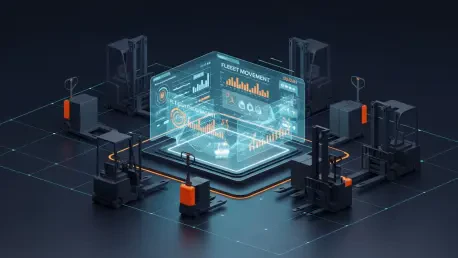
The emergence of the myLinde platform represents a major evolution in telematics-based fleet management by utilizing a cloud-based dashboard to centralize critical operational metrics. This software serves as a nerve center for warehouse operations, aggregating data points such as safety incidents, service schedules, equipment utilization rates, and energy consumption patterns. Perhaps the most transformative feature of this platform is the introduction of AI-powered natural language intelligence, which fundamentally changes how managers interact with their data. Rather than spending hours navigating complex spreadsheets or traditional reporting tools, fleet managers can now utilize an integrated chat interface to gain immediate clarity on their operations. This shift toward conversational data analysis democratizes access to complex information, allowing supervisors on the floor to make informed decisions without needing deep technical expertise in data science or manual report generation.
Building on this foundation, the AI-driven interface allows users to ask specific questions regarding their fleet and receive immediate, validated answers that were previously buried in silos. For instance, a manager could inquire about which vehicles are nearing a service interval or identify specific shifts where energy consumption spikes, receiving a concise summary in seconds. This functionality turns high-volume, complex data into actionable insights, helping managers identify persistent operational bottlenecks and make real-time adjustments to enhance warehouse productivity. By streamlining the communication between the user and the machine, the system ensures that decisions are based on current, accurate information rather than historical estimates. This level of responsiveness is critical in high-velocity environments where even a few minutes of downtime or inefficient routing can lead to significant financial losses over the course of a fiscal quarter.
Advancing Productivity with High-Performance Electric Hardware
Physical machinery remains the backbone of the warehouse, and the latest release of the E18-E20 electric counterbalance forklift demonstrates how engineering is evolving to match digital capabilities. These trucks are specifically engineered for high performance and reliability in the toughest warehouse conditions, featuring a robust 4,000-pound lift capacity and the ability to reach heights exceeding 17 feet. A standout physical feature of this equipment is the proprietary quad mast, manufactured in South Carolina, which was designed to provide superior forward visibility for operators. This is a critical factor for safety and precision, particularly during high-lift maneuvers where visibility is often compromised by traditional mast designs. By prioritizing the operator’s line of sight, the machinery reduces the risk of product damage and workplace injuries, ensuring that high-speed operations do not come at the expense of safety or structural integrity.
To ensure consistent uptime and simplify the maintenance lifecycle, the E18-E20 utilizes a fully integrated lithium-ion battery system that provides steady power throughout long shifts. This hardware is not merely a standalone tool; it is designed to work seamlessly with the broader digital ecosystem, feeding usage and battery health data directly into the centralized management dashboard. This connectivity allows management teams to maintain a comprehensive view of equipment health and operator performance in real time. The integration of advanced power systems with high-lift capabilities means that modern warehouses can maximize their vertical storage space without sacrificing the speed of their retrieval processes. This synergy between physical strength and digital reporting ensures that every asset is working at its peak potential while providing the data necessary to justify further investments in fleet modernization and site expansion.
Implementing Integrated Ecosystems for Long-Term Efficiency
Organizations looking to capitalize on these advancements should focus on the strategic integration of both software and hardware to create a truly connected warehouse environment. This involves more than just purchasing new equipment; it requires training staff to utilize AI-driven insights to refine daily workflows and maintenance schedules. By leveraging the natural language capabilities of modern platforms, managers can identify which operators might need additional safety training or which areas of the warehouse are prone to congestion. Furthermore, the transition to electric fleets with integrated data tracking provides a clear path toward meeting sustainability goals while simultaneously lowering the total cost of ownership. Leaders should prioritize equipment that offers open communication protocols, ensuring that new forklifts and software can adapt to changing operational needs between 2026 and 2030 as the industry continues to evolve and adopt more sophisticated automation.
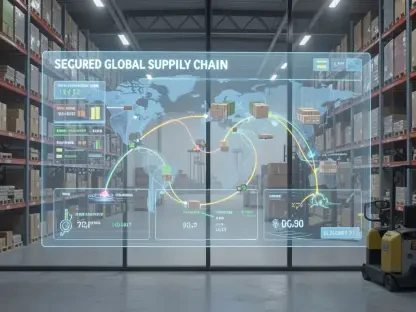
The introduction of these integrated systems effectively dismantled the traditional barriers between warehouse floor operations and high-level data analysis. Facilities that adopted these AI-powered platforms experienced a notable reduction in unplanned downtime because the software successfully predicted maintenance needs before equipment failure occurred. The use of natural language interfaces simplified the reporting process, which allowed floor supervisors to address bottlenecks with unprecedented speed. By combining high-performance engineering with sophisticated digital tools, companies maintained a competitive edge in an increasingly data-driven global market. These advancements proved that the future of material handling resided in the deep integration of physical durability and digital intelligence, providing a scalable blueprint for operational excellence. Moving forward, the focus shifted toward expanding these AI capabilities to encompass entire supply chain networks, ensuring total visibility from the manufacturer to the final delivery point.