
With decades of experience spanning the supply chain and delivery sectors, Rohit Laila has a unique perspective on the intersection of logistics and technology. His passion for innovation offers a deep understanding of how cutting-edge tools are reshaping fleet management for businesses of all sizes. Today, we delve into how modern telematics platforms are moving beyond simple tracking to provide actionable intelligence. We’ll explore the strategic layering of services to meet diverse operational needs, the tangible impact on insurance costs through data-driven risk management, the importance of powerful technology partnerships, and how these systems ultimately boost a fleet’s efficiency and sustainability.
Many fleet managers feel like they’re drowning in complex data. Could you walk us through how a solution like Drive+ transforms raw telematics information into meaningful insights, and provide a practical example of a smarter decision a business owner could make using the platform?
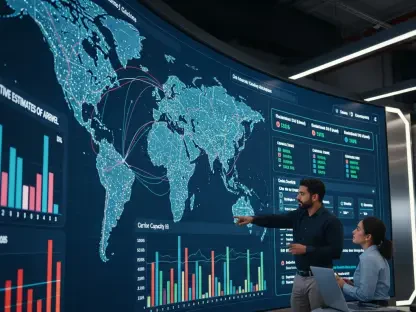
That’s the core challenge these new systems are built to solve. It’s no longer about just collecting data; it’s about translating it into a clear, simple story. Instead of a spreadsheet with thousands of speed and location pings, the platform distills it into actionable insights. For instance, a business owner might see a high “harsh braking” score on a specific route. The system doesn’t just flag it; it shows you it’s happening at the same intersection every morning. This isn’t just a driver issue; it’s an operational one. You can then confidently reroute that vehicle to avoid a congested, high-risk area, which not only improves safety but also saves fuel and reduces wear and tear. That’s the leap from raw data to a smarter, more profitable decision.
The Drive+ solution is structured into Core, Safe, and Smart tiers. Can you explain the strategic thinking behind this tiered approach and describe a scenario where a growing business might start with Core before upgrading?
The tiered approach is brilliant because it acknowledges that not all fleets have the same needs or budget. It’s about meeting businesses where they are. A small local delivery company, for example, might start with Drive+ Core. Their primary concern is knowing where their five vans are, tracking their journeys, and making sure they’re being utilized effectively—not sitting idle. As they expand to ten or fifteen vehicles, their duty-of-care responsibilities and insurance costs grow. That’s the natural point to upgrade to the Safe tier. Now they can actively manage driver behavior, introduce safety coaching, and build a data-backed case for lower insurance premiums. The system grows with them, providing more sophisticated tools as their operational complexity increases.
The promise of lowering insurance premiums is compelling for any business. What specific risk data does the Drive+ Safe tier provide to insurers, and can you detail the process for how a fleet manager uses this data to demonstrate a lower risk profile?
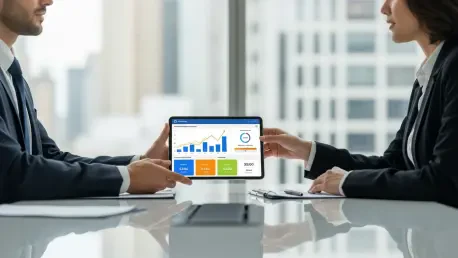
This is one of the most direct financial benefits. The Safe tier captures and analyzes specific events that insurers care about: instances of harsh braking, rapid acceleration, speeding, and sharp cornering. It compiles this information into comprehensive driver scorecards and fleet-wide risk reports. A fleet manager can then sit down with their insurance provider and present a dashboard showing a measurable, sustained improvement in driving standards over six months. Instead of just saying, “We have good drivers,” they can show a 20% reduction in speeding events and a fleet-wide safety score in the top quartile. This concrete evidence of responsible driving behavior and reduced risk is incredibly powerful and often leads directly to more competitive insurance costs.
Partnering with a telematics leader like Geotab is a significant move. What key capabilities does Geotab’s technology bring to the Drive+ platform, and how does this partnership enhance the premium service and support that customers expect?
Partnering with a world-leading provider like Geotab is a game-changer because it provides a foundation of reliability and innovation. Geotab brings best-in-class hardware and a powerful, scalable software engine that has been refined over millions of vehicles and billions of miles. This means the data is not only accurate but also incredibly rich. For the end customer, this translates into confidence. They know the system is robust and won’t fail them. It also means they are getting a premium experience, where the technology just works, allowing the service provider to focus on what they do best: delivering exceptional support and helping customers extract the most value from those powerful insights.
The Drive+ Smart tier focuses on uptime and sustainability. Could you explain how its vehicle health and energy insights help a fleet manager proactively prevent issues and get more value from every vehicle, ultimately improving operational efficiency?
The Smart tier is all about shifting from a reactive to a proactive mindset. It taps directly into the vehicle’s onboard diagnostics to monitor engine health. Instead of a driver calling in about a check engine light, the fleet manager gets an alert about a potential issue, like a failing sensor, days in advance. This allows them to schedule maintenance during off-peak hours, preventing a costly and disruptive breakdown on the road. On the sustainability front, it provides detailed energy and fuel consumption insights, identifying which vehicles or routes are least efficient. By optimizing those, you’re not only reducing your carbon footprint but also significantly lowering fuel costs, which is a huge win for operational efficiency.
What is your forecast for telematics in fleet management?
Looking ahead, I see telematics becoming even more integrated and predictive. It won’t just be about reporting what happened; it will be about accurately forecasting what will happen next. We’ll see deeper integration with AI to predict vehicle maintenance needs with incredible precision, optimize routes in real-time based on traffic and weather patterns we can’t even see yet, and even personalize driver coaching. The platform will become less of a tool you check and more of an automated co-pilot for the entire fleet operation, making decisions that enhance safety, sustainability, and efficiency before a human manager even has to ask the question. The future is a truly autonomous, self-optimizing fleet.