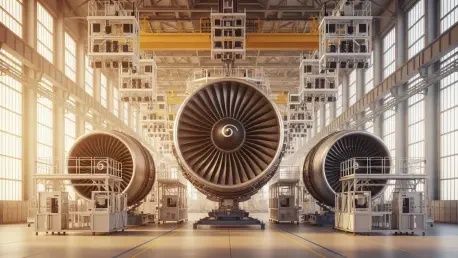

The traditional divide between silicon-valley software innovation and the gritty reality of heavy industrial manufacturing is evaporating as capital flows toward physical automation at an unprecedented scale. Jeff Bezos has orchestrated a massive strategic shift by assembling a one-hundred-billion-dollar fund dedicated specifically to the technological overhaul of legacy manufacturing sectors. This “manufacturing transformation vehicle” represents a departure from the purely digital applications of artificial intelligence that dominated previous investment cycles. By targeting high-stakes environments such as aerospace, defense, and semiconductor fabrication, the initiative aims to acquire established firms and rebuild their operational cores through advanced algorithmic oversight. The scale of this financial commitment rivals the largest sovereign wealth investments in history, signaling a firm belief that the next frontier of value creation lies in the physicalization of AI. This transition moves beyond chatbots and image generation, focusing instead on the complex, tangible challenges of global supply chains and heavy production lines.
The Prometheus Strategy: Bridging Digital Intelligence and Industrial Output
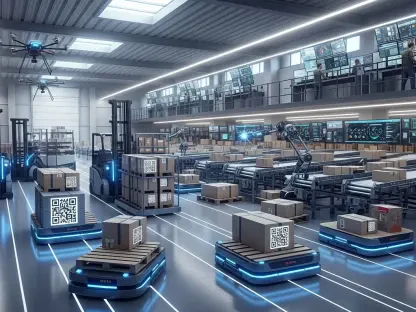
At the heart of this industrial pivot is an ambitious AI platform known as Project Prometheus, which serves as the intellectual engine for the newly acquired manufacturing entities. Unlike standard automation tools that react to existing data, this system focuses on optimizing production cycles and supply chain logistics within a virtual environment before a single piece of hardware is ever moved on the factory floor. This predictive modeling allows for unprecedented efficiencies in product design and resource allocation, effectively reducing the margin of error that has historically plagued heavy industry. This strategy parallels the ongoing evolution of delivery infrastructure, where the emphasis has shifted toward total control over every link in the logistics chain. While previous attempts at internal warehouse robotics faced varied success, the integration of autonomous technologies into physical operations remains a primary objective. The focus here is on achieving massive gains in operational output by treating a factory as a programmable entity, rather than just a collection of machinery.
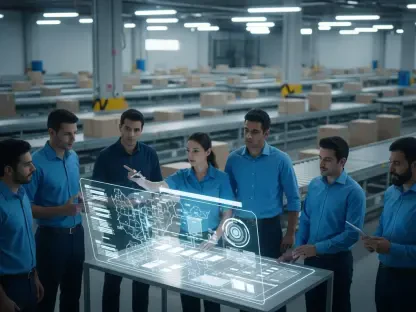
Industry leaders who observed this transition recognized that the successful integration of AI into heavy industry required a fundamental reimagining of the workforce and hardware maintenance protocols. The initiative demonstrated that simply layering software onto old systems was insufficient; instead, a complete structural redesign proved necessary to realize the projected efficiency gains. Companies looked toward specialized training programs to bridge the gap between traditional engineering and data science, ensuring that personnel could manage the sophisticated Prometheus interfaces. Future considerations focused on the resiliency of these AI-driven supply chains against geopolitical shifts and raw material shortages. Stakeholders identified the need for modular manufacturing units that could be rapidly repurposed based on real-time market data. This movement toward high-efficiency, programmable manufacturing provided a blueprint for other sectors seeking to modernize. The era of passive industrial management ended as data-driven decision-making became the standard for maintaining global competitiveness.