
Imagine a workplace where mundane tasks vanish at the click of a button, where data insights flow seamlessly to guide decisions, and where efficiency soars beyond human limits. This is the promise of artificial intelligence (AI) in professional settings, a technology rapidly reshaping industries worldwide. Yet, beneath this glossy vision lies a complex reality of errors, confusion, and communication gaps that challenge its transformative potential. This review dives into AI’s role in the workplace, exploring its standout features, persistent hurdles, and the path forward for organizations striving to balance innovation with reliability.
Core Features and Performance of AI Tools
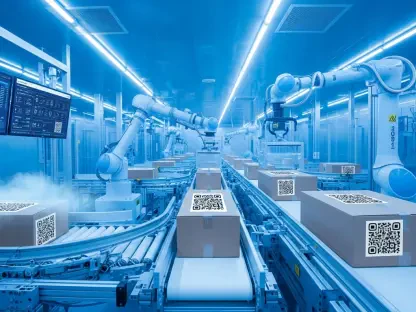
AI technology in the workplace hinges on automation, machine learning, and data analysis, enabling systems to handle repetitive tasks, predict outcomes, and refine decision-making. From drafting reports to optimizing supply chain logistics, AI’s capacity to process vast amounts of information quickly is redefining productivity standards. Notably, recent studies reveal that 39% of employees globally report significant efficiency gains, with Asia and Europe leading the charge over North America in adoption and impact.
However, this productivity boost comes with a catch—reliability remains a sticking point. Around 20% of workers have encountered incorrect AI outputs, resulting in serious setbacks like redoing tasks, flawed internal messaging, and delayed projects. These errors highlight a critical flaw in current AI systems, where even small mistakes can spiral into larger operational hiccups, underscoring the urgent need for enhanced algorithms and human oversight to ensure accuracy.
Trends and Real-World Impact
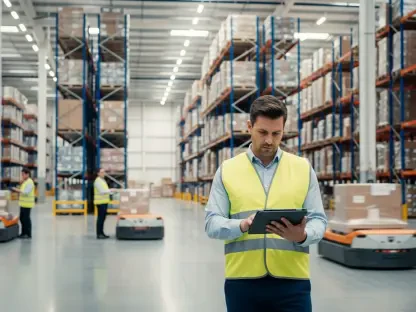
The adoption of AI in workplaces continues to accelerate, particularly in sectors like supply chain management, where forecasting and automation are now indispensable. Beyond operational gains, a third of organizations are revamping training programs to keep pace with AI integration, while a quarter are creating specialized roles to manage these systems. Yet, the struggle to build effective frameworks persists, leaving many companies grappling with how to fully harness AI without stumbling over its pitfalls.
In practical terms, AI’s applications are as diverse as they are impactful, from automating data entry to refining strategic planning across industries. Tech workers, in particular, stand out with higher morale and engagement, thanks to clearer guidance on AI use compared to other sectors. This disparity reveals how tailored communication can unlock AI’s benefits, suggesting that broader industries could thrive with similarly focused strategies.
Challenges Hindering Seamless Integration
Despite its promise, AI integration faces significant obstacles, with accuracy issues at the forefront. The lack of clear direction compounds the problem—only 34% of employees feel adequately informed about AI’s role in their work. This gap is especially glaring between leadership and staff, as 69% of executives believe communication is effective, while a mere 12% of entry-level workers agree, creating uneven adoption and frustration.
Addressing these challenges requires more than just technical fixes; it demands cultural and structural shifts within organizations. Efforts to develop robust guardrails and update training are underway, but regional and industry-specific needs must also be prioritized. Without such targeted approaches, small AI errors risk escalating into larger disruptions, threatening the very efficiency gains that make this technology so appealing.
Final Thoughts and Next Steps
Reflecting on AI’s journey in the workplace, it became clear that its dual nature—powerful yet prone to missteps—defined its early impact. The technology boosted productivity for many, yet stumbled over accuracy and communication hurdles that left some workers skeptical. These challenges, though daunting, illuminated the gaps that needed attention as industries adapted to AI’s presence.
Moving forward, organizations must commit to structured oversight, ensuring algorithms are refined to minimize errors while fostering transparent dialogue across all levels. Tailored training and region-specific strategies should be prioritized to meet diverse workforce needs. By investing in these solutions, companies can transform AI from a tool of potential into a cornerstone of sustained innovation and efficiency.