The competitive landscape in the rail freight sector is under intense scrutiny as private operators like Lineas strive to gain traction against well-funded state-owned entities. Since its transition to a private entity from the Belgian National Railways’ freight subsidiary B-Logistics in 2015,

In a significant step towards modernizing urban logistics, the German LogIKTram project has concluded, marking the completion of a four-year initiative to evaluate the feasibility of using freight trams for urban transportation. Launched in August 2020 and completed in the summer of 2024, this
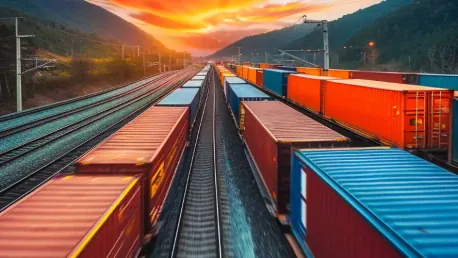
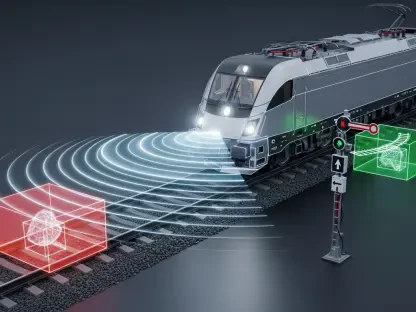
The rail logistics sector stands as a pivotal component of the global logistics landscape, employing millions and powering economies worldwide. Despite facing economic challenges, the industry is embracing technological advancements to sustain growth and efficiency. In 2024, innovations like GPS

Freight rail transportation significantly reduced CO2 emissions in New Zealand by nearly 230,000 tonnes during the 2023-24 financial year, according to KiwiRail. The state-owned rail operator highlighted that businesses opting for rail instead of trucks effectively saved 84.7 million liters of fuel
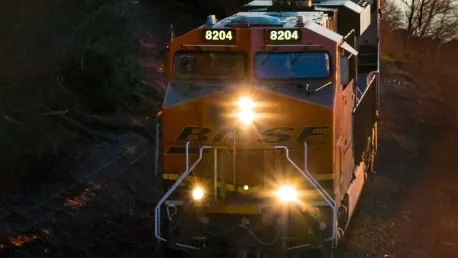
The recent mandate from the Canada Industrial Relations Board (CIRB), following orders from the Canadian Minister of Labour, signals a significant turning point for Canadian Pacific Kansas City (CPKC) and CN Rail. For several months, these two major rail operators have been embroiled in labor
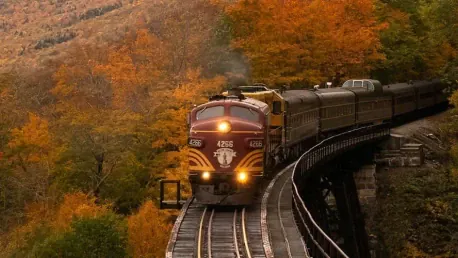
Canada's rail system, a crucial component of its transport and logistics network, has faced an unprecedented halt, creating significant turmoil in the supply chain. The sudden shutdown of Canadian National Railway (CN) and Canadian Pacific Kansas City (CPKC) following failed labor negotiations has