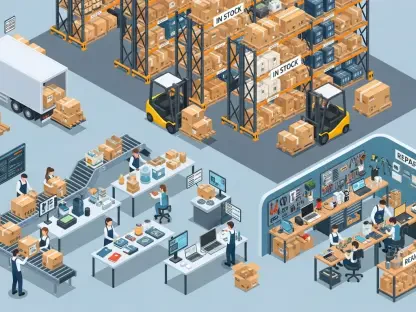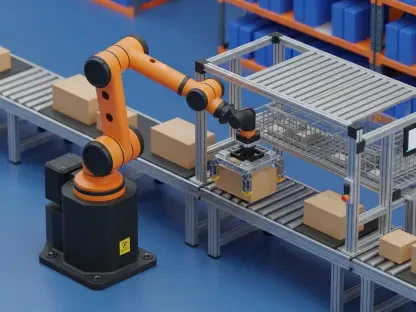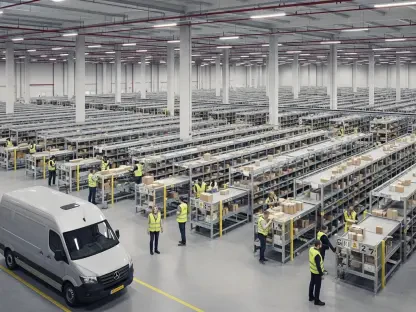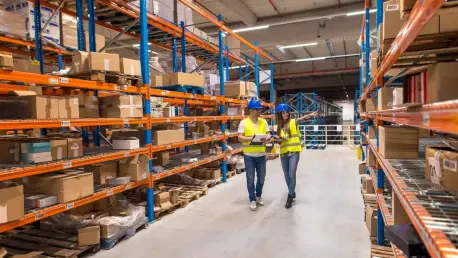

In the heart of a bustling warehouse, a worker lifts a heavy crate, only to feel a sharp pain shoot through their back—an all-too-common scene that reflects a silent crisis across U.S. industries. Every year, millions of workers face injuries that not only disrupt their lives but also ripple through the economy with staggering force. With 2.6 million nonfatal workplace injuries reported annually, the scale of this issue demands attention. What sectors bear the brunt of these incidents, and why does it matter to everyone, from employees to employers to consumers?
The significance of this hidden epidemic cannot be overstated. Workplace injuries are more than personal tragedies; they strain entire industries, inflate healthcare costs, and disrupt the supply chains that keep the nation running. The National Safety Council estimates an annual economic burden of over $167 billion, a figure that translates to about $1.2 million lost every hour. This is a story of human struggle and systemic challenge, one that reveals the urgent need for action in the industries where risks run highest.
Why Workplace Injuries Are a National Concern
Beyond the numbers lies a deeper truth: these injuries impact the backbone of the American economy. Sectors like health care, manufacturing, and transportation are not just job providers; they are lifelines for goods, services, and care. When workers in these fields are sidelined by injury, the effects cascade through delayed shipments, understaffed hospitals, and skyrocketing operational costs. This isn’t a distant problem—it touches everyone who relies on a steady flow of products or medical support.
Moreover, the personal toll is immense. Nearly 1 million of these injuries are severe enough to cause days away from work, leaving families grappling with lost income and recovery challenges. The average cost per disabling injury stands at a staggering $44,000, a figure that can balloon even higher in severe cases. These statistics paint a vivid picture of why safety isn’t just a workplace issue but a societal one.
Ranking the Riskiest Industries in America
Delving into the data, a clear pattern emerges from the numbers compiled by national analyses and the U.S. Bureau of Labor Statistics. The top 10 industries with the highest injury rates are dominated by physically demanding roles, many of which are tied to supply chains and essential services. Health Care and Social Assistance tops the list with a staggering 562,500 injuries each year, driven by the grueling demands of patient handling and long shifts. The strain of lifting patients or repetitive tasks often leaves workers vulnerable to sprains and chronic pain.
Supply-chain giants also shoulder a heavy burden. Manufacturing reports 355,800 injuries, closely followed by Retail Trade at 353,900, Transportation and Warehousing at 279,800, and Wholesale Trade at 156,400. These sectors face risks from operating heavy machinery like forklifts to meeting tight delivery schedules under pressure. Additionally, Accommodation and Food Services logs 247,200 injuries, while Construction adds 167,700, with hazards ranging from burns in kitchens to falls on job sites. Together, these industries highlight a concentrated risk in jobs that keep the nation moving.
Hearing from Those on the Front Lines
Insights from experts shed light on why these risks persist despite advancements in safety measures. Analysts point to the unrelenting physical demands of supply-chain roles as a key factor. One expert observation cuts to the core: “The pace and pressure in industries like warehousing and transportation often outstrip the safety protocols in place, leaving workers exposed to preventable harm.” This perspective underscores a gap between intention and reality in high-risk fields.
Then there are the stories that bring the data to life. Consider the experience of a warehouse worker who, after years of heavy lifting, suffered a debilitating injury when a forklift malfunctioned. Unable to work for months, this individual faced not just physical pain but financial strain and uncertainty about returning to the job. Such accounts, paired with the reality of nearly 1 million severe injuries annually, reveal the profound human cost behind the statistics.
Peeling Back the Layers of Risk
Examining the specific hazards in these industries offers a clearer view of where dangers lurk. In health care, workers often lift patients without adequate support, leading to back injuries that can end careers. Supply-chain sectors grapple with freight handling and equipment mishaps, where a single misstep with a forklift can cause lasting damage. The relentless schedules in retail and transportation only heighten the likelihood of accidents, as fatigue sets in.
Contrast this with the unique challenges in other high-risk fields. Construction sites are notorious for falls from heights, while food service workers face burns and cuts in fast-paced kitchens. Each sector carries its own set of perils, yet a common thread ties them together: the physical toll of the work itself. Recognizing these distinct risks is the first step toward crafting solutions that address the root causes rather than just the symptoms.
Building a Safer Future for Workers
Turning the tide on workplace injuries requires actionable strategies tailored to these high-risk industries. For supply-chain sectors, mandatory training on equipment like forklifts and ergonomic practices for lifting heavy loads could make a significant difference. Regular safety audits and the adoption of wearable tech to monitor worker strain might catch issues before they escalate. These steps aren’t just protective; they could also slash the hefty costs tied to injuries.
Fostering a culture of safety stands as another critical pillar. Employers can incentivize injury reporting to uncover hidden risks, while scheduled rest breaks during long shifts help combat fatigue. Involving workers in safety planning ensures that policies reflect real-world challenges on the ground. If implemented effectively, such measures promise not only to reduce incidents but also to boost productivity by keeping skilled employees in action.
Looking back, the journey to uncover the stark reality of workplace injuries revealed a landscape marked by both struggle and opportunity. The staggering 2.6 million annual injuries, costing billions, exposed a crisis that demanded response. Yet, within that challenge lay the seeds of change—practical solutions like enhanced training and technology emerged as beacons of hope. Moving forward, the focus must shift to scaling these efforts, ensuring that every worker, from warehouse floors to hospital wards, steps into a safer tomorrow.