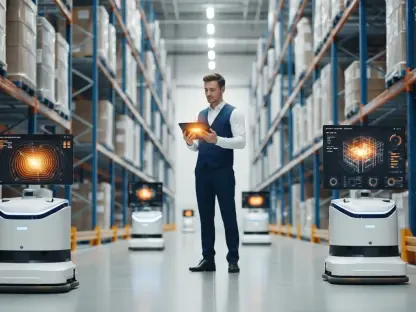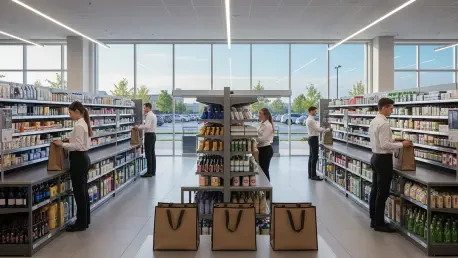

The traditional retail map is being redrawn by a consumer base that now views forty-eight-hour shipping as a relic of the past rather than a modern convenience. As speed becomes the primary metric of success, the industry has transitioned away from distant fulfillment centers toward localized, omnichannel strategies. This shift allows major retailers to leverage their physical footprints to meet the growing demand for immediate gratification. Integrating digital platforms with brick-and-mortar assets is no longer optional for brands seeking to remain relevant in a hyper-competitive market.
The Evolution of Retail Logistics and the Shift Toward Ultra-Fast Fulfillment
Modern retail success depends on the ability to treat a physical storefront as a sophisticated logistics node. By moving inventory closer to the end consumer, companies reduce the distance a package travels, effectively solving the last-mile problem. This localized approach transforms every aisle into a potential warehouse shelf, blurring the lines between traditional shopping and e-commerce.
Furthermore, this model capitalizes on the existing infrastructure of urban and suburban locations. Instead of building massive new facilities, retailers are repurposing backrooms and optimizing floor layouts to support rapid picking and packing. This evolution reflects a broader trend where the convenience of a digital interface is seamlessly paired with the physical proximity of a neighborhood store.
Catalysts Behind the Surge in Same-Day Delivery and Market Projections
Consumer Loyalty Programs and the Rise of On-Demand Essentials
The introduction of the Target Circle 360 membership has fundamentally altered customer retention by prioritizing recurring needs. Categories such as beauty, food, and household staples have become the primary drivers of digital traffic as shoppers seek out reliable, rapid replenishment. This membership structure incentivizes higher frequency, making the retailer a go-to destination for daily essentials rather than just occasional discretionary purchases.
Moreover, the integration of delivery-as-a-service platforms like Shipt has streamlined the final leg of the journey. By utilizing a flexible gig-economy workforce, the retailer can scale operations based on real-time demand without the overhead of a massive internal fleet. This flexibility is crucial in a lukewarm economy where shoppers prioritize convenience and speed over brand loyalty or price alone.
Quantifying Growth and the Future Outlook for Digital Fulfillment
The reported 30% surge in same-day services highlights a significant divergence from stagnant traditional net sales. While overall market growth remains modest, the appetite for ultra-fast delivery continues to outpace conventional shopping methods. This data suggests that the store-as-hub model is not a temporary fix but a sustainable standard for the next generation of retail.
Looking ahead, the expansion of subscription-based logistics models is expected to stabilize revenue streams through 2028. As more consumers opt into paid loyalty tiers, the volume of digital orders will likely continue its upward trajectory. Retailers who master this decentralized fulfillment strategy are positioned to capture a larger share of the wallet as “immediate” retail becomes the baseline expectation.
Operational Hurdles and the Complexity of Localized Fulfillment
Maintaining high-speed delivery while protecting gross margins remains a delicate balancing act for supply chain leaders. The costs associated with manual labor in high-volume stores can quickly erode the profitability of a digital order. Additionally, managing inventory levels across thousands of localized hubs requires precise forecasting to prevent stockouts or overages that lead to markdowns.
The pressure to mitigate inventory shrink and logistical bottlenecks also weighs heavily on operational efficiency. High-traffic stores must manage the flow of both in-person shoppers and digital pickers without creating chaos on the sales floor. Navigating these complexities requires a robust technical infrastructure that can synchronize stock levels across various sales channels in real time.
The Regulatory Landscape and Security Standards in Rapid Delivery
The rapid expansion of the gig economy has brought increased scrutiny toward third-party delivery contractors and labor laws. Compliance with evolving regulations ensures that the workforce remains sustainable and that safety standards are met during transit. Furthermore, data privacy remains a top priority for membership-based platforms that handle sensitive consumer information and shopping habits.
In urban environments, last-mile delivery routes are increasingly impacted by local environmental and safety regulations. Hub models must also adhere to strict industry standards regarding food safety and the quality of perishable items. These regulatory hurdles necessitate a proactive approach to compliance to avoid legal disruptions in the delivery chain.
The Next Frontier: Innovation and Disruptors in Retail Logistics
Automation and artificial intelligence are poised to revolutionize store-level fulfillment by optimizing picking paths and predicting local demand patterns. The potential for autonomous delivery vehicles and drones to take over short-haul routes could significantly reduce labor costs. Such innovations will be essential as global economic shifts and inflation dictate the pricing of premium delivery services.
Software developers are also focusing on advanced inventory management systems that synchronize digital and physical shelves with perfect accuracy. This technological leap will allow retailers to offer more transparent stock availability to online shoppers. As these tools become more accessible, the gap between large-scale leaders and smaller competitors may widen based on their ability to integrate AI.
Evaluating the Viability of the Store-as-Hub Model for Long-Term Success
Target’s decentralized approach proved that local fulfillment is the definitive answer to the last-mile problem in a digital-first world. While the trade-off between volume growth and operational expenditure requires constant monitoring, the model provided a blueprint for modern efficiency. Investors prioritized convenience-led growth strategies as they recognized that physical proximity remains a retailer’s greatest asset against digital-only giants.
Stakeholders looked toward deeper investments in automation to offset rising labor costs and improve margin stability. Future considerations moved toward sustainable logistics practices that could align with urban congestion policies. Ultimately, the industry shifted its focus toward hyper-local logistics to ensure that the retail experience remained fast, reliable, and profitable for the long term.