
Shein’s Strategic Gambit: Conquering Europe from the Heart of Poland
Chinese e-commerce behemoth Shein is making a monumental move to solidify its dominance in the European market, announcing the development of a massive logistics and distribution hub in Wrocław, Poland. This strategic investment signals a major operational shift for the fast-fashion giant, moving its fulfillment capabilities closer to its vast European customer base. The new facility is designed to dramatically slash delivery times, enhance customer service, and create a more resilient supply chain. This analysis will dissect the motivations behind this decision, explore the technological and economic implications of the Wrocław hub, and analyze its potential to reshape the competitive landscape of European e-commerce.
From Global Upstart to Logistical Powerhouse: Shein’s Journey to Europe
Shein’s meteoric rise was fueled by its “ultra-fast fashion” model, which leverages a hyper-responsive supply chain in China to produce thousands of new styles daily at incredibly low prices. However, this model has historically relied on shipping individual orders directly from Asia, resulting in longer and less predictable delivery windows compared to European-based competitors. As its customer base swelled to over 100 million in the region, this logistical bottleneck became a critical vulnerability. The move to establish a central European hub is a direct response to this challenge, representing a maturation of Shein’s strategy from a disruptive upstart to a sophisticated global retailer focused on operational excellence and customer experience.
Unpacking the Wrocław Investment: Strategy, Technology, and Economic Impact
Poland’s Geographic Sweet Spot: The Lynchpin of Shein’s European Strategy
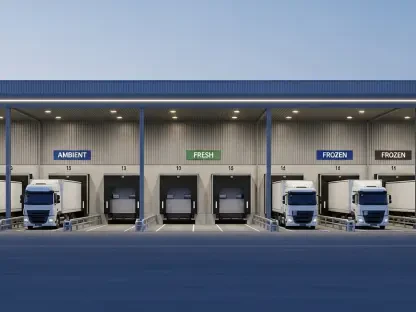
The selection of Wrocław was no accident. Poland has rapidly emerged as a critical logistics hotspot, offering a strategic nexus between Western and Eastern Europe. Located in Lower Silesia, the facility provides direct access to major highway networks connecting it to key markets like Germany and the Czech Republic. This central positioning allows Shein to serve a significant portion of the continent efficiently from a single point, optimizing transit routes and minimizing last-mile delivery costs. By positioning its inventory at the heart of its target market, Shein is fundamentally re-engineering its European distribution network for maximum speed and reach.
Inside the Hub: Automation and Efficiency on an Unprecedented Scale
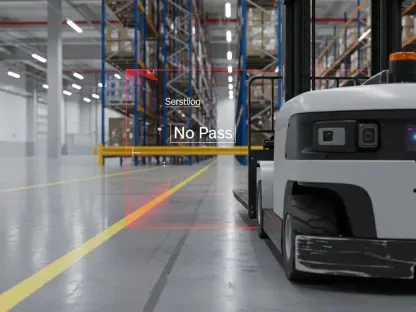
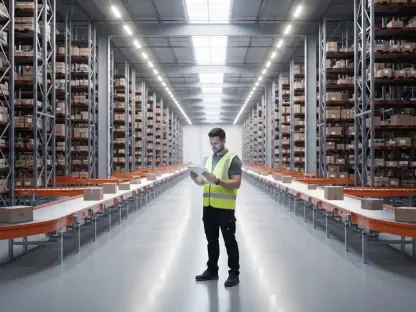
The new distribution center, situated at the GLP Wrocław V logistics park, is one of the most technologically advanced fulfillment facilities in Europe. The project, a phased expansion that began in 2022, is reaching full operational capacity. Shein invested heavily in extensive automation, including state-of-the-art sorting systems and robotics, to process a high volume of orders with precision and speed. This technological infrastructure is essential for managing the complexities of a fast-fashion inventory and meeting consumer expectations for rapid delivery, transforming a key weakness into a competitive strength.
A Regional Boom: Job Creation and Poland’s Rising Logistics Profile
Beyond its operational benefits for Shein, the investment carries a substantial economic impact for the region. The company is creating at least 5,000 new jobs in Lower Silesia, spanning a range of roles from warehouse operations and logistics management to engineering and IT support. This infusion of employment and capital further cements Poland’s reputation as a premier destination for global logistics and e-commerce operations. Shein’s high-profile commitment is likely to attract further foreign investment, creating a ripple effect that strengthens the entire regional supply chain ecosystem.
The Future of Fast Fashion: Nearshoring and the Race for Rapid Delivery
Shein’s Polish hub is a clear indicator of a broader industry trend: the “nearshoring” of logistics to bring products closer to end consumers. In a market where delivery speed is a key differentiator, relying solely on distant manufacturing and distribution centers is no longer sustainable for major players. This move will undoubtedly pressure competitors, from established giants like Zara and H&M to other online retailers, to re-evaluate and invest in their own European logistics networks. The race is no longer just about the speed of design and production but also about the velocity of fulfillment and delivery.
Key Takeaways: Lessons from Shein’s European Logistics Playbook
The development of the Wrocław hub offers several crucial takeaways. First, it underscores the paramount importance of strategic logistics in modern e-commerce, demonstrating that a sophisticated supply chain is as vital as product and marketing. Second, it highlights Poland’s critical role as a burgeoning logistics powerhouse within Europe, thanks to its strategic location and robust infrastructure. For businesses, the lesson is clear: succeeding in the competitive European market requires investing in localized distribution to meet ever-increasing consumer demands for speed and reliability.
Redrawing the Map: Why Shein’s Polish Hub Changes Everything
Ultimately, Shein’s investment in Poland was far more than the construction of a new warehouse; it was a declaration of intent to dominate the European fast-fashion market. By tackling its most significant logistical hurdle head-on, the company positioned itself for a new phase of growth built on efficiency, speed, and an improved customer experience. This strategic pivot not only strengthened Shein’s competitive standing but also set a new benchmark for logistics in the global e-commerce industry, effectively redrawing the map of retail distribution in Europe.