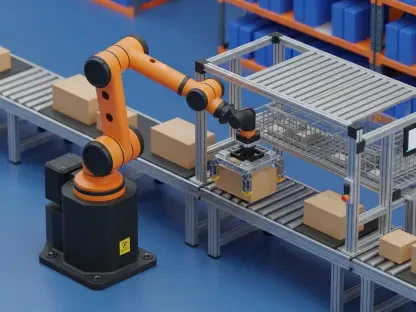

Warehouse managers often find themselves trapped in a cycle of manual counting that feels more like a race against time than a strategy for growth. The Corvus One system enters this space as a sophisticated response to the persistent logistical bottleneck of manual cycle counting. By addressing inventory blind spots with real-time visibility, this technology provides high-throughput facilities with a level of oversight previously deemed impossible.
Investment in such technology is justified when the costs of inaccuracy—lost sales and inefficient labor—are weighed against the precision of automated systems. Real-time data minimizes the need for buffer stock and prevents the operational paralysis caused by missing items. This shift from reactive to proactive management transforms the warehouse from a storage site into a dynamic intelligence hub.
Core Features and Autonomous Drone Functionality
The most striking aspect of this system is its plug-and-play nature, allowing for immediate aerial navigation without the need for complex infrastructure. Unlike older automation models that require floor markers or human pilots, these drones operate with complete independence. This lack of external hardware simplifies the deployment phase and ensures that the facility layout remains flexible for future changes.
Under the hood, the system utilizes advanced onboard AI and computer vision to navigate complex warehouse environments. These drones identify stock levels and locations by scanning barcodes and analyzing shelving units in three dimensions. Because the processing happens on the device, the drone makes split-second decisions to avoid obstacles or adjust its flight path without relying on a constant external server connection.
Furthermore, the technology integrates seamlessly into existing warehouse operations without requiring a shutdown. It can fly during active picking hours, sharing the aisle space with human workers and forklifts. This continuity is essential for businesses that cannot afford downtime, as it allows for constant auditing while the primary business of fulfillment continues uninterrupted.
Real-World Performance and Operational Efficiency
Operational efficiency sees a dramatic uptick when moving from manual cycles to automated scans. In practical application, businesses have transitioned from bi-monthly manual counts to weekly automated audits, representing a massive 600% increase in imaging frequency. This level of consistency ensures that the digital record of the warehouse always matches the physical reality on the shelves.
Accuracy becomes particularly vital when dealing with high-value stock and tight sales forecasts. When buffer stock is kept to a minimum to save costs, the margin for error disappears. The Corvus One system maintains precise data that protects the supply chain from the stock-out scenarios that often plague brands with high demand and complex inventory.
Labor optimization is perhaps the most tangible benefit for the workforce. By automating the counting process, companies can repurpose over 100 labor hours per month toward higher-value tasks like quality control or process improvement. Instead of employees spending days walking aisles with clipboards, they focus on resolving discrepancies identified by the drone, maximizing their professional contribution.
Advantages and Limitations of the Corvus One System
The primary strength of the system lies in its ability to provide continuous monitoring without human intervention. This persistent oversight protects revenue by catching errors before they cascade through the fulfillment process. Moreover, the lack of infrastructure requirements makes it a scalable solution for companies with multiple global distribution centers.
However, potential implementation constraints do exist, particularly regarding warehouse environment standards. While the drone is highly capable, it requires specific ceiling heights and aisle widths to operate at peak efficiency. Additionally, a stable software integration with existing warehouse management systems is necessary to ensure that the data collected by the drone is translated into actionable insights for the management team.
Final Assessment: Is Corvus One the Future of Logistics?
The move toward autonomous inventory intelligence marks a fundamental shift in how global supply chains operate. By establishing a robust operational foundation, the Corvus One system modernizes logistics through the elimination of human error in data collection. It represents a transition from treating inventory as a static asset to viewing it as a fluid, data-driven component of the business.
This technology does more than just count boxes; it provides the visibility needed to scale operations with confidence. As distribution networks become more complex, the ability to rely on autonomous systems for routine monitoring becomes a competitive necessity. The system effectively bridges the gap between physical inventory and digital management strategies.
Concluding Opinion and Target Use Cases
Enterprises dealing with high-value goods and tight sales forecasts found the most significant benefits in this technology. Companies looking to scale across global networks should have considered how autonomous drones reduce the friction of expansion. The system proved to be an essential tool for those prioritizing accuracy over traditional, labor-intensive methods.
Looking forward, facilities should have evaluated their current infrastructure to prepare for even deeper software integrations. Establishing a clear roadmap for data utilization ensured that the information gathered by these drones led to smarter purchasing and production decisions. The successful implementation suggested that the path to a fully optimized supply chain started with the elimination of inventory blind spots through autonomous intelligence.