
The silent erosion of profit margins within a supply chain often begins not with grand strategic errors, but with the unnoticed inefficiencies of everyday packaging and handling. Damaged goods, underutilized cargo space, and the spiraling expense of disposable materials represent persistent challenges that chip away at a company’s bottom line, creating a cycle of waste and loss that many have come to accept as a standard cost of doing business. However, a fundamental shift in perspective reveals that the solution is not more complex, but radically simpler.
This landscape of logistical hurdles has prompted a reevaluation of the very foundation of shipping: the pallet. While essential, the standard flat pallet is often an incomplete solution, requiring extensive secondary packaging that is both costly and environmentally burdensome. The critical question facing operations managers is how to transform this basic platform into a secure, adaptable, and reusable container. The answer lies in an elegant innovation that has quietly revolutionized warehouse floors and shipping containers: the pallet collar, a tool designed to address these core inefficiencies head-on.
Is Your Packaging Working Against You? The Hidden Costs in Your Supply Chain
In modern logistics, the path from production to consumer is fraught with potential pitfalls. Goods damaged in transit, inefficiently packed shipments that waste valuable space, and the ever-increasing cost of single-use packaging like cardboard and plastic wrap are not just minor inconveniences; they are significant financial drains. These issues create a cascade of problems, including costly returns, customer dissatisfaction, and a substantial environmental footprint. Many businesses unknowingly absorb these expenses, viewing them as unavoidable operational friction rather than solvable problems.
What if a single, reusable tool could simultaneously address these disparate challenges? This is the promise of the pallet collar, a surprisingly straightforward yet powerful solution that many logistics professionals overlook. By rethinking the role of the pallet, businesses can move beyond temporary fixes and implement a system that offers both immediate and long-term benefits. The pallet collar represents a strategic shift from disposable, one-size-fits-all packaging toward a more intelligent, resilient, and cost-effective approach to logistics.
Beyond the Pallet: Redefining the Foundation of Shipping and Storage
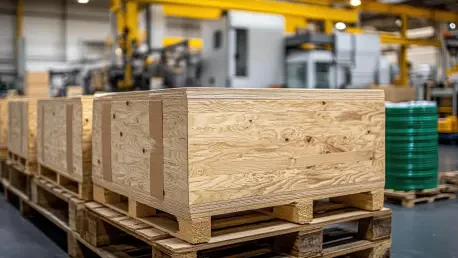
A pallet collar is a modular, stackable system composed of hinged wooden or plastic frames that fit securely around the perimeter of a standard pallet. By adding these collars, a simple flat pallet is transformed into a robust and customizable container. Users can stack multiple collars to adjust the height of the container wall, creating a tailored enclosure for the specific goods being shipped or stored. This simple mechanism offers a level of adaptability that traditional packaging methods cannot match.
In contrast, conventional approaches like stretch wrap and single-use crates present significant limitations. While stretch wrap can unitize a load, it offers minimal protection against compression or side impacts, leaving products vulnerable. Large wooden or plastic crates, on the other hand, are rigid and often ill-suited for shipments that do not perfectly fill their dimensions, leading to wasted space and higher shipping costs. Their single-use nature also contributes directly to the growing problem of industrial waste, running counter to modern corporate sustainability goals.
The need for smarter logistics is more pressing now than ever before. Global pressures for increased operational efficiency, stringent cost control, and a demonstrable commitment to environmental responsibility have converged. In this context, the pallet collar is not just an alternative packaging method; it is a strategic tool that aligns with key business objectives. It provides a practical answer to the complex demands of today’s supply chains, offering a path to greater efficiency, reduced waste, and a stronger bottom line.
The Four Pillars of Pallet Collar Advantage
The primary advantage of pallet collars lies in their unmatched flexibility and the efficiency this brings. Operators can create adjustable container heights on demand, eliminating the wasted vertical space common with irregularly sized or mixed loads. For instance, a single pallet can be configured with one collar for a short shipment of heavy automotive parts and later stacked with four or five collars for a tall but lightweight load of empty containers. This ability to tailor the container to the cargo maximizes space utilization in both warehouses and transport vehicles. This customization is paired with robust product protection, as the solid wood or plastic frames form a rigid barrier against impacts, compression, and load shifting during transit, effectively safeguarding everything from fragile electronic components to easily bruised agricultural produce.
These operational benefits translate directly into significant and sustainable cost reductions. The long-term financial model of reusability stands in stark contrast to the recurring expense of disposable materials. Each time a pallet collar is reused, it avoids the cost of new cardboard, shrink wrap, and strapping. Furthermore, the enhanced protection they provide drastically cuts down on expenses related to product damage, returns, and replacements. When not in use, the collars collapse flat, minimizing space needed for storage and return shipping, which adds another layer of savings. This economic advantage is intrinsically linked to a commitment to environmental responsibility. By integrating pallet collars, companies can build a circular supply chain, drastically reducing single-use packaging waste and aligning their operations with a more sustainable model.
Voices from the Field: Real-World Impact and Data
The theoretical benefits of pallet collars are being validated by tangible results across industries. “Implementing pallet collars cut our damage claims by over 40% in the first year,” explains a logistics manager at a major distribution center. “We were no longer writing off losses from crushed boxes on the bottom layer of pallets. The collars provided the structural integrity we needed, and their reusability fundamentally changed our cost structure for the better.” This type of firsthand account underscores the immediate impact these systems can have on operational resilience and profitability.
This anecdotal evidence is supported by broader industry data on the total cost of ownership (TCO) for reusable packaging systems. Studies consistently show that while the initial investment may be higher than for a single batch of disposable materials, reusable solutions like pallet collars deliver a significantly lower TCO over their lifespan. A compelling scenario emerged from a mid-sized manufacturing firm that transitioned to a unified pallet collar system. They streamlined both their internal parts-handling between assembly stations and their external shipping to suppliers. The result was thousands saved annually in labor, a dramatic reduction in packaging waste, and a more organized, efficient workflow.
A Practical Framework for Adopting Pallet Collars
The first step toward integration is a thorough audit of current operations. A business should identify the key areas where pallet collars can deliver the most immediate impact. This could be high-damage product lines, storage zones with poor space utilization, or shipping routes with high packaging material costs. This assessment also involves choosing the right type of collar for the application, whether it be standard heat-treated wood for international shipping, durable plastic for cleanroom environments, or custom sizes for specialized products.
With a clear strategy in place, the next phase involves a pilot program and team training. Rolling out collars in a controlled environment allows a company to measure effectiveness, gather direct feedback from staff, and refine processes before a full-scale deployment. Crucial to success is establishing simple, clear best practices for safe stacking, proper handling with forklifts, and routine maintenance to ensure the longevity of the collars. Proper training ensures the system is used correctly and safely, maximizing its lifespan and benefits.
Finally, to unlock the full value of the system, a company must “close the loop” by designing an efficient reverse logistics process. This involves creating a system to retrieve and reuse collars from clients, distribution centers, or other facilities, which is central to the ROI of a reusable packaging program. Beyond shipping, savvy organizations integrate collars into diverse internal applications, using them for warehouse organization, manufacturing line-side supply bins, or even as bases for retail point-of-sale displays, transforming them from a shipping tool into a versatile asset across the entire operation.