
Rohit Laila brings a wealth of knowledge from decades in the logistics and supply chain sector. His deep understanding of how technological innovation reshapes the physical landscape of the warehouse makes him a leading voice on the intersection of human labor and mechanical efficiency. In this discussion, we explore how modern equipment can dismantle traditional barriers to entry in the logistics workforce, the cultural shifts triggered by ergonomic investments, and the tactical ways leadership can diversify their talent pipelines by prioritizing the physical well-being of their staff.
Many potential candidates view warehouse roles as physically demanding jobs centered on heavy lifting and repetitive strain. How do these perceptions specifically limit the talent pool among older workers or career switchers, and what specific steps can leadership take to rebrand these roles as accessible?
These long-standing stereotypes act as a psychological barrier that narrows the talent pool long before a job vacancy is even advertised. Older workers, women, and career switchers often assume they lack the raw physical strength required for grueling shifts on the floor, which leads them to bypass the sector entirely. To counter this, leadership must actively demonstrate that modern pallet trucks and lift tables have effectively replaced the “brute force” era of warehousing. By showcasing equipment that minimizes strain, companies can prove that these roles are now about precision and reliability rather than sheer muscle power. This shift in messaging transforms the warehouse from a place of punishing labor into an inclusive environment where any capable candidate can feel confident stepping into the role.
Modern equipment now features smoother-rolling wheels, lighter steering, and improved hydraulic systems to reduce operator exertion. Beyond these mechanical upgrades, how does high-quality equipment influence long-term employee retention, and what metrics should a business track to measure the impact of equipment on staff fatigue?
When a worker finishes an eight-hour shift feeling less worn down and physically depleted, the likelihood of them staying with the company for the long haul increases significantly. High-quality tools like stacker trucks with improved hydraulics provide a tactile sense of ease that directly boosts daily morale and job satisfaction. Businesses should look closely at retention rates and internal data regarding staff fatigue to see if workers are reporting fewer aches or less exhaustion. By tracking how often employees feel “less worn down” at the end of the day, managers can quantify the success of their investment in ergonomics. Ultimately, providing better gear sends a resonant message that the organization truly values the health and longevity of its human capital.
Compact lift models and improved handle geometry allow for better maneuvering in tight spaces while reducing awkward movements. When redesigning a warehouse floor for a more diverse workforce, how should managers balance spatial efficiency with ergonomic safety, and what are the primary challenges when upgrading from older, manual models?
The primary challenge often lies in the friction between the old-school mentality of maximizing every inch of storage and the modern need for fluid, safe movement. Upgrading from outdated, manual models requires a shift in how floor space is allocated to allow for the controlled maneuvering of compact lift trucks and pallet movers. Managers must ensure that handle geometry and steering resistance are optimized so that even the tightest corners do not require awkward, injury-prone body positions. While the initial cost of replacing an aging fleet can be significant, the reduction in unnecessary exertion and fatigue-related errors pays for itself. Transitioning to these advanced models allows for a floor layout that maximizes productivity without compromising the physical safety of a diverse team.
Investing in ergonomic tools sends a message that a business values its workforce’s physical well-being. How does this investment shift the internal culture of a logistics firm, and what specific training protocols ensure that new hires from non-traditional backgrounds feel confident using these advanced systems?
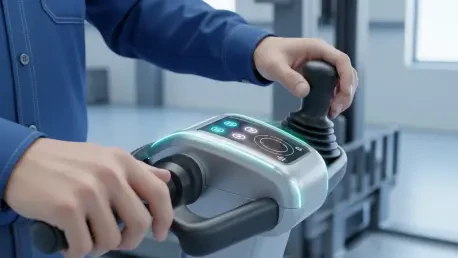
Investing in high-end ergonomic tools creates a culture of mutual respect where employees feel seen as professionals rather than just cogs in a machine. This cultural shift is reinforced through training protocols that focus on the technical finesse of using lighter steering and smoother hydraulic systems. New hires from non-traditional backgrounds, such as those returning to work after an injury, need to feel the tactile difference of modern machinery during their initial onboarding. By emphasizing how little physical effort is actually required to move heavy loads with modern pallet trucks, the training builds immediate confidence and reduces the fear of injury. This approach ensures that everyone, regardless of their physical strength, feels empowered to master the advanced technology at their fingertips.
What is your forecast for the evolution of warehouse recruitment and the role of ergonomic technology?
I predict that the distinction between “entry-level labor” and “technical operation” will continue to blur as ergonomics becomes the industry standard rather than a luxury. We will see recruitment pipelines expand significantly to include a much broader cross-section of society, as the physical “barrier to entry” is virtually eliminated by smarter machinery. Companies that cling to old-fashioned, manual equipment will likely face permanent talent shortages and high turnover rates in a competitive market. Ultimately, the warehouse of the future will be defined by its ability to adapt the work environment to the human, rather than forcing the human to endure a punishing environment.