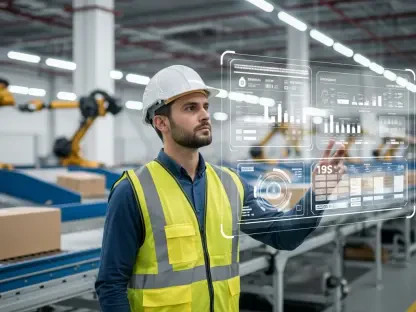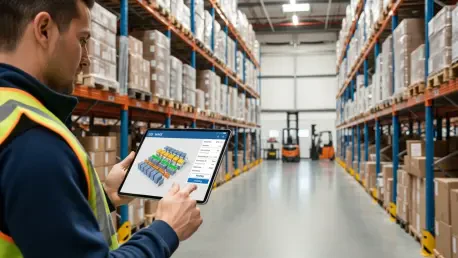

The relentless pressure on global enterprises to modernize aging supply chain infrastructure and overcome persistent labor shortages has created a critical breaking point, prompting a landmark move by Swedish enterprise resource planning (ERP) software vendor IFS. The company has officially acquired warehouse management system (WMS) specialist Softeon, a strategic maneuver aimed at forging a deeply integrated, AI-driven platform. This union is designed to seamlessly connect the digital intelligence of manufacturing operations with the physical realities of warehouse execution, addressing a long-standing gap in enterprise technology. By bringing Softeon’s advanced WMS capabilities into its ecosystem, IFS is making a definitive statement about the future of industrial operations, where the warehouse is no longer a simple storage facility but an intelligent, automated hub central to the entire value chain. This move signals a significant shift in how companies will approach supply chain management, moving toward a more holistic and predictive operational model.
A Strategic Response to Industry Demands
The acquisition positions IFS to compete directly within the expansive $8.6 billion WMS market, an arena increasingly defined by the urgent need for digital transformation. For years, businesses have grappled with the limitations of legacy systems that create silos between production floors and distribution centers. This disconnection has been exacerbated by escalating consumer demands and global disruptions, making the optimization of logistics not just a competitive advantage but a necessity for survival. The consensus among industry analysts is that the future of both manufacturing and logistics hinges on the successful implementation of intelligent automation and comprehensive data integration, moving away from fragmented solutions toward a unified, end-to-end operational view. This strategic purchase underscores a broader trend of ERP providers expanding their capabilities to offer more holistic supply chain solutions that can provide visibility and control from raw material procurement all the way to final delivery.
While the specific financial terms of the transaction were not publicly disclosed, the deal marks a significant exit for private equity firm Warburg Pincus, which had been a key investor in Softeon. Since its investment in 2019, Warburg Pincus played a pivotal role in preparing Softeon for this next stage of growth. The firm actively supported the modernization of Softeon’s software architecture, transitioning it to a more flexible and scalable platform. Furthermore, it was instrumental in establishing the company’s first formal outbound go-to-market strategies and building out its channel partnership programs. This period of strategic development transformed Softeon from a specialized WMS provider into a more robust and market-ready enterprise, making it an attractive target for a larger platform player like IFS seeking to instantly gain deep domain expertise and a modernized technology stack in the warehousing sector, thereby accelerating its market entry and impact.
The Fusion of Industrial AI and Warehouse Execution
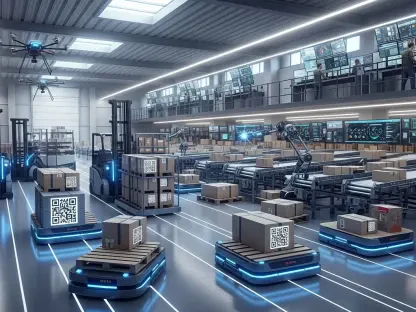
At the heart of this merger lies the ambitious goal of embedding “Industrial AI” directly into the fabric of warehouse operations, a concept designed to fundamentally challenge the status quo. The traditional WMS segment has long been characterized by a reliance on legacy systems that often depend on manual, paper-based processes and require significant human intervention for decision-making. These outdated methods are ill-equipped to handle the complexity and speed of modern commerce. The unified solution from IFS and Softeon aims to dismantle these inefficiencies by integrating agentic AI and physical AI orchestration into every critical facet of warehouse management. This includes automating complex fulfillment logic, optimizing labor allocation in real-time based on demand, providing unprecedented visibility into yard activities, and seamlessly integrating with a diverse ecosystem of robotics and automation hardware to create a truly autonomous environment.
This acquisition was predicated on the vision articulated by IFS CEO Mark Moffat, who identified the warehouse as the “next frontier for Industrial AI,” a domain ripe for the same level of intelligent automation seen in modern manufacturing. The strategic combination of Softeon’s specialized warehouse execution expertise with IFS’s next-generation AI, advanced robotics orchestration, and deep industrial knowledge was designed to create a powerful synergy. The resulting platform was expected to deliver tangible and measurable improvements for customers across demanding sectors like manufacturing, energy, and aerospace. By making warehouse operations as intelligent and autonomous as the production lines they serve, the unified company set out to enhance throughput, boost inventory accuracy, and dramatically expand workforce capacity without a linear increase in headcount. This move was ultimately aimed at creating a new standard for a fully connected and resilient supply chain.