
With decades of experience navigating the complexities of global logistics and retail distribution, our expert has witnessed a fundamental shift in how goods move across the globe. As geopolitical tensions and climate-related disruptions become the new normal, the traditional models of centralized warehousing are being replaced by more localized, agile systems. This conversation explores the transition from rigid, long-term planning to the development of “muscle memory” in logistics teams, the rise of ultra-fast delivery demands, and the critical role of AI in safeguarding temperature-sensitive shipments.
We will delve into the strategies major retailers are using to bypass trade lane disruptions, the logistical hurdles of managing a fragmented network of smaller facilities, and the necessity of building organizational resilience to ensure that essential food flows—like fresh produce and frozen meats—remain uninterrupted despite global volatility.
As geopolitical volatility forces cargo to change course mid-journey, how are retailers transitioning from large, centralized hubs to smaller regional facilities? What specific “muscle memory” must logistics teams develop to handle these sudden rerouting decisions without relying on traditional long-term planning?
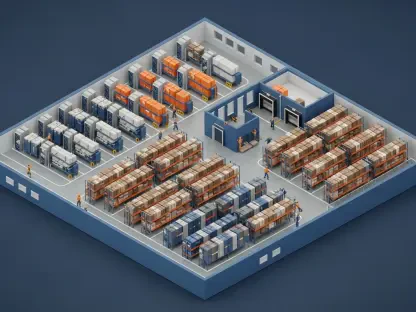
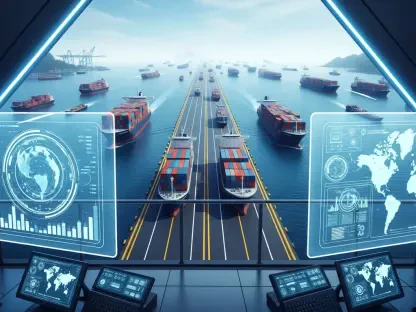
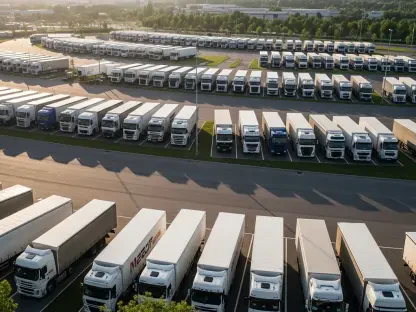
The shift we are seeing today is a direct response to the reality that disruption is no longer an exception but a constant state of affairs. Major players are moving away from the “one-size-fits-all” model of massive, centralized warehouses in favor of a network of smaller facilities located much closer to the end customer. This transition allows for faster decision-making because the supply chain is no longer dependent on a single, vulnerable point of entry. To thrive in this environment, logistics teams must develop a “muscle memory” that enables them to act immediately when a trade lane like the Red Sea becomes impassable. Instead of waiting for perfect information or a finalized three-month plan, they are learning to reassess supply options and pivot cargo mid-journey. It’s about building a gut instinct for agility, ensuring that even if a ship has to change course, the products still find their way to open store shelves where customers expect them.
With consumers demanding ultra-fast delivery for groceries and food, what are the primary logistical hurdles in establishing a network of smaller warehouses? How do you balance the increased overhead of managing multiple sites against the need for speed and proximity to the end customer?
The primary hurdle in moving to a decentralized network is the sheer complexity of managing inventory and operations across dozens of smaller sites rather than one or two mega-hubs. In markets like India, where ultra-fast delivery models are already the gold standard, speed has become the defining factor in supply chain design. Balancing the higher overhead of multiple leases and staffing requirements against the need for proximity requires a complete rethink of cost-to-serve metrics. We have to accept that while a fragmented network is more expensive to run on paper, the cost of losing a customer because of a slow delivery is much higher in the long run. The goal is to create a setup that is “ready to serve” the instant an order is placed, turning the supply chain into a competitive weapon rather than just a back-office expense. It feels like a high-stakes sprint where being five miles closer to the customer can be the difference between a completed sale and a missed opportunity.
Cold chains face unique risks where delays lead to immediate commercial loss for perishables like fresh produce or frozen meat. When shipments are misrouted, what specific protocols ensure temperature integrity, and what metrics do you use to evaluate the resilience of these essential food flows?
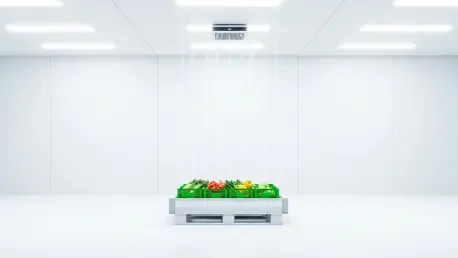
In the cold chain, every hour of a delay is a ticking clock that threatens the commercial value of the cargo. When a shipment of frozen meat or fresh produce is misrouted, we rely on rigid protocols that prioritize these essential flows above all other dry goods. We look at metrics like “uninterrupted transit time” and “temperature variance incidents” to measure how well our system absorbs shocks. It is remarkable that even during significant trade lane disruptions, the flow of staples like bananas has never truly stopped, which speaks to the incredible resilience already baked into these specialized networks. However, maintaining that integrity when a vessel is forced to take a longer route around a conflict zone requires constant communication between carriers and port authorities. There is an emotional weight to this work; knowing that a delay could mean tons of wasted food drives a level of urgency that you don’t always see with non-perishable logistics.
Monitoring temperature-controlled shipments in real-time is now vital for effective exception management. How is AI being integrated to identify climate issues within minutes, and what step-by-step actions should a team take when a sensor alerts them to a potential breach in the cold chain?
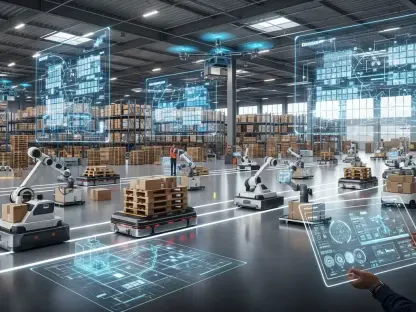
AI is transforming the cold chain from a reactive industry into a predictive one by monitoring temperature-controlled shipments in real-time and identifying deviations within minutes. When a sensor triggers an alert for a potential breach, the team must follow a rapid-response protocol: first, they must immediately verify the container’s power source and ambient conditions via the digital twin of the shipment. Next, they coordinate with the carrier to initiate a physical inspection of the reefer unit to check for mechanical failure. If the issue cannot be resolved on-site, the final step is to reroute the container to the nearest cold-storage facility to “rescue” the cargo before spoilage occurs. This technology removes the dangerous lag time of manual reporting, allowing us to manage exceptions before they become total losses. It’s an incredible feeling to see an AI alert save a multi-million dollar shipment of pharmaceuticals or fresh food through sheer digital oversight and quick human intervention.
Because “one-size-fits-all” supply chains are becoming obsolete, how can companies design infrastructure that absorbs shocks rather than just reacting to them? Beyond physical assets, what organizational capabilities are necessary to keep goods moving when major trade routes remain unpredictable for the long term?
Designing infrastructure that absorbs shocks means moving away from rigid, linear supply chains toward a “web” of regional sourcing and flexible distribution. Beyond the physical warehouses and trucks, the most critical organizational capability is the ability to make rapid, decentralized decisions. Companies need to empower their local category managers to shift sourcing strategies or change logistics providers on the fly without waiting for headquarters’ approval. This requires a culture that values resilience over pure cost-optimization, recognizing that a slightly more expensive route that is secure is better than a cheap route that is blocked. We are seeing a shift where the “winners” are those who have built the internal capability to adapt to policy shifts or geopolitical shocks as if they were everyday occurrences. It is about creating a system that is robust enough to handle the unknown, ensuring that essential goods keep moving even when the map of global trade is being redrawn.
What is your forecast for the cold chain?
My forecast for the cold chain through 2026 is one of continued, structural uncertainty where flexibility becomes the most valuable asset a company can own. We will see an accelerated adoption of AI-driven exception management, making the “dark” spots in global transit a thing of the past as real-time visibility becomes a standard requirement for all perishable shipments. The traditional reliance on stable, long-term transit patterns is over; instead, we will see a permanent shift toward hyper-localized distribution and regional sourcing to mitigate the risks of major trade lane closures. Shippers who invest in “muscle memory” and agile infrastructure today will not only survive the next geopolitical shock but will find a significant competitive advantage in their ability to deliver when others cannot. It is going to be a challenging period that demands a move away from the status quo, but it will ultimately result in a much more resilient and technologically advanced global food system.