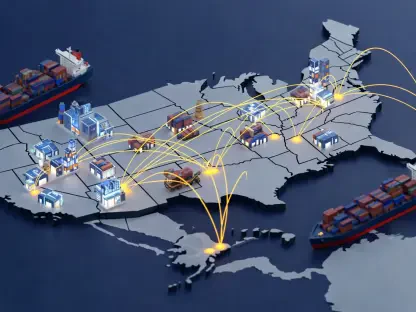

The relentless hum of delivery vehicles has become the heartbeat of New York City as over one billion packages are projected to traverse the five boroughs this year alone, signaling a profound shift in how urban commerce functions. This unprecedented volume of deliveries reflects a digital economy that has moved from a luxury convenience to a fundamental utility for millions of residents. However, the rapid expansion of distribution hubs and sophisticated delivery networks is placing an immense strain on the city’s physical and social framework, leading to a heated legislative debate over the future of urban logistics.
At the center of this transformation lies a complex relationship between e-commerce giants and independent delivery service partners. These third-party subcontractors serve as the operational backbone of the sector, yet they often operate within a regulatory gray area that complicates oversight. To address these burgeoning challenges, the New York City Council has introduced Intro 518, a legislative catalyst designed to implement a mandatory licensing framework for last-mile facilities. This move seeks to bring order to a decentralized industry that has grown faster than the infrastructure supporting it can adapt.
The push for regulation is fueled by a visible infrastructure strain that manifests in residential congestion and the proliferation of industrial hubs. As these facilities increasingly encroach on local neighborhoods, the friction between consumer demand and community well-being has reached a boiling point. By establishing a clear licensing standard, policymakers hope to create a mechanism for accountability that has been largely absent during the industry’s initial boom. This framework represents a critical step in redefining the parameters of urban fulfillment in a city that never stops shopping.
Navigating the Fast-Shipping Era: Trends and Projections
Emerging Shifts in Consumer Expectations and Technological Integration
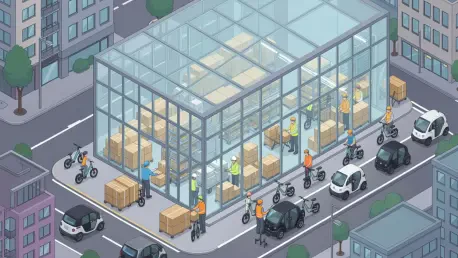
The current e-commerce landscape is defined by an obsession with speed, where the demand for instant gratification has reduced delivery windows from days to mere hours. This cultural shift drives high-speed e-commerce and sets a grueling pace for the entire logistics sector, forcing companies to innovate constantly or face irrelevance. Consequently, the industry is seeing a significant move toward electrification and the adoption of e-bike pilot programs. These green initiatives are not merely a response to environmental concerns but are strategic maneuvers to navigate the narrow, congested streets of New York City more efficiently.
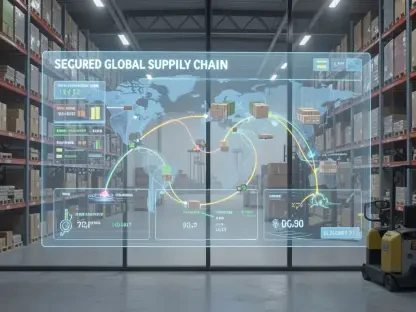
Technological integration is also reshaping the workforce as firms evaluate the shift toward direct employment models. By bringing subcontractors into the fold, corporations aim to increase accountability and streamline operations under a single organizational umbrella. This trend is a direct response to the growing public demand for corporate responsibility, as consumers increasingly consider the ethical implications of their delivery choices. Advanced routing software and real-time tracking are becoming standard, allowing for a level of transparency that was unthinkable a decade ago.
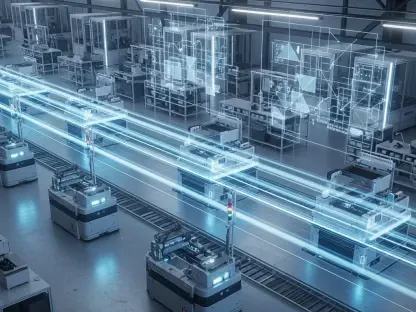
The integration of artificial intelligence is further optimizing the path from warehouse to doorstep. Predictive analytics now allow facilities to anticipate demand surges before they happen, positioning inventory closer to the end consumer. However, this technological prowess often clashes with the physical limitations of urban environments, creating a paradox where digital efficiency meets physical gridlock. As the sector evolves, the ability to balance these high-tech solutions with the realities of city life will determine the winners in the race for the last mile.
Market Data and the Economic Forecast for NYC Delivery
Market data indicates that growth indicators remain strong, with package volume trends continuing to climb despite economic fluctuations. The proliferation of delivery facilities in industrial zones across Brooklyn, Queens, and the Bronx suggests that the demand for physical space will only intensify. This expansion serves as a significant job creator, providing thousands of entry-level positions and entrepreneurial opportunities for small business owners. Projections suggest that the last-mile industry will continue to be a cornerstone of the city’s economic engine as digital retail continues to dominate the urban consumer market.
However, this growth comes with a potential employment trade-off that has become a central point of contention for industry analysts. While the sector currently supports a massive workforce, some economic forecasts warn of potential job losses if new regulatory burdens prove too heavy for smaller logistics companies to carry. Independent contractors and small-scale delivery service partners often operate on thin margins, and the cost of compliance with a new licensing framework could lead to consolidation or closures. This tension highlights the delicate balance between fostering economic growth and ensuring that such growth does not come at the expense of worker stability.
Long-term projections for the last-mile industry emphasize its future scale as an permanent fixture of the metropolitan landscape. As consumer habits become more entrenched, the need for specialized hubs that can handle diverse product categories—from groceries to high-end electronics—will increase. The economic forecast suggests a resilient market, but one that must adapt to a more scrutinized regulatory environment. The ability of the city to integrate these facilities without hollowing out other industrial sectors remains a primary concern for urban planners and economists alike.
Addressing the Friction: Labor Exploitation and Environmental Impact
The rapid rise of the delivery sector has uncovered a troubling human cost, characterized by reports of impossible delivery quotas and pervasive worker safety violations. Drivers often operate under intense pressure to meet high-speed schedules, leading to what advocates describe as a daily disregard for driver well-being. This environment has prompted a movement toward greater labor protections, as reports of vehicles in disrepair and lack of access to basic facilities during long shifts become more common. The human element of the logistics chain is increasingly seen as the most vulnerable link in the quest for delivery dominance.
Environmental justice concerns have also taken center stage, particularly in neighborhoods designated as sacrifice zones. Areas like Red Hook and Hunts Point, which host high concentrations of last-mile facilities, suffer from disproportionate levels of air pollution and traffic-related noise. This phenomenon has sparked a debate over the geographic distribution of industrial activity and its impact on community health. Public safety strategies are now focusing on mitigating the dangers of oversized delivery fleets, which contribute significantly to traffic congestion and the rising number of traffic-related injuries in residential areas.
The subcontracting model frequently serves as a liability shield, leaving workers with little recourse when accidents or injuries occur. By delegating delivery tasks to third-party partners, major corporations can distance themselves from the legal and financial consequences of operational failures. This legal gap has created a fragmented landscape where accountability is difficult to pin down, often leaving individual drivers to shoulder the burden of professional risks. Addressing these gaps is a primary goal for reformers who seek to ensure that the risks of the industry are as well-managed as its rewards.
The Regulatory Landscape: Analyzing Intro 518 and Compliance Standards
Intro 518 proposes a mandatory licensing framework that would fundamentally change how last-mile delivery facilities operate in New York City. These requirements would mandate that facilities adhere to specific operational standards, ranging from vehicle maintenance protocols to the provision of adequate break spaces for drivers. By codifying these expectations into law, the city council aims to enforce labor rights and job safety requirements through direct government intervention. This shift marks a transition from a self-regulated industry to one that is under the watchful eye of municipal authorities.
However, the prospect of a one-size-fits-all regulatory approach has raised alarms regarding small business vulnerability. Immigrant and veteran-owned logistics companies, which often lack the deep pockets of multi-national giants, may find the new compliance standards difficult to navigate. Critics of the bill argue that while the intentions are noble, the actual impact could be the unintended stifling of local entrepreneurship. Finding a way to regulate large-scale actors without crushing the small businesses that provide vital services to the community is perhaps the most difficult challenge facing the council.
Agency oversight will likely fall under the purview of the Department of Consumer and Worker Protection, which is expected to play a central role in monitoring the delivery sector. The department would be tasked with conducting inspections, issuing licenses, and responding to grievances from workers and residents. This evolving role represents a significant expansion of the city’s regulatory reach into the digital economy’s physical infrastructure. As the legislative process unfolds, the effectiveness of this oversight will depend on the resources allocated to enforcement and the clarity of the mandates provided by the law.
The Future of Urban Fulfillment: Innovation and Sustainable Growth
New York City is poised to serve as a global test case for balancing technological innovation with necessary regulation. The friction between digital demands and physical safety is not unique to the five boroughs, but the city’s density makes the stakes much higher. Future growth areas are likely to focus on specialized hubs that prioritize neighborhood health and traffic flow through sustainable urban design. This involves creating facilities that are better integrated into the existing fabric of the city, utilizing micro-fulfillment centers and shared distribution points to reduce the footprint of large-scale logistics.
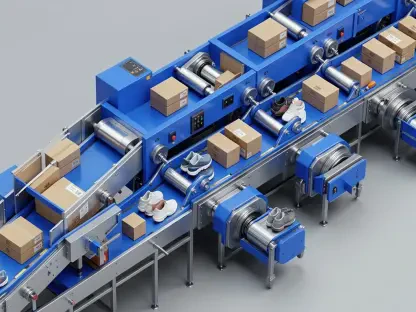
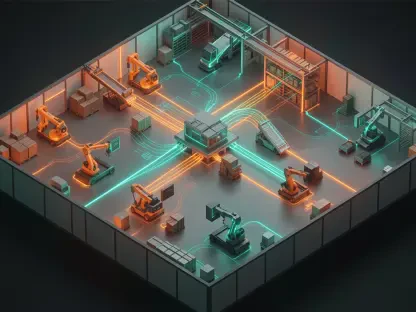
Technological disruptors like automated sorting and AI-driven routing are already beginning to reduce the industry’s environmental and operational footprint. These innovations offer a path forward where efficiency is achieved through smarter systems rather than through the exhaustion of the workforce. Greener logistics, including the widespread use of electric cargo bikes and zero-emission vans, are moving from pilot programs to essential components of urban delivery. If these technologies are coupled with sensible regulation, the industry could move toward a more sustainable and less intrusive model of operation.
Collaborative policy making remains the most promising path for a safer and more efficient ecosystem. By engaging directly with industry leaders, labor advocates, and community representatives, the city can develop a regulatory framework that is both rigorous and realistic. This approach allows for a more nuanced understanding of the logistics chain, ensuring that the benefits of the e-commerce boom are shared more equitably. The goal is to foster an environment where innovation thrives, workers are protected, and the streets of New York remain safe and accessible for everyone.
Conclusion: Setting a Precedent for the Modern Metropolis
The discourse surrounding Intro 518 highlighted a fundamental clash between the drive for labor-centric reform and the survival of independent small businesses. Lawmakers and stakeholders extensively debated whether the proposed licensing framework would truly protect workers or simply consolidate power in the hands of the largest corporations. The testimony from various industry sectors reflected a deep-seated anxiety about the unintended consequences of rapid legislative action. This dialogue underscored the complexity of managing a modern economy that relies on high-speed logistics while demanding social justice and environmental sustainability.
Prospects for the last-mile industry appeared cautiously optimistic, provided that a middle ground was established between all parties. The long-term viability of the sector depended on its ability to transition toward a more regulated labor market without sacrificing the efficiency that consumers have come to expect. Many businesses began proactively adopting greener technologies and safer labor practices even before the finalization of new mandates. This proactive stance suggested that the industry recognized the status quo as unsustainable and was ready to evolve toward a more responsible model of urban fulfillment.
Final outlooks for New York City’s delivery landscape focused on the necessity of actionable steps to safeguard both the economic engine and community health. Moving forward, the city looked to implement specialized zoning and data-sharing agreements that allowed for more precise oversight of delivery traffic and facility operations. By prioritizing neighborhood-centric designs and direct accountability, officials aimed to mitigate the negative externalities of the delivery boom. This approach provided a roadmap for other major metropolises facing similar challenges, setting a precedent for how a modern city manages the intersection of commerce and community life.